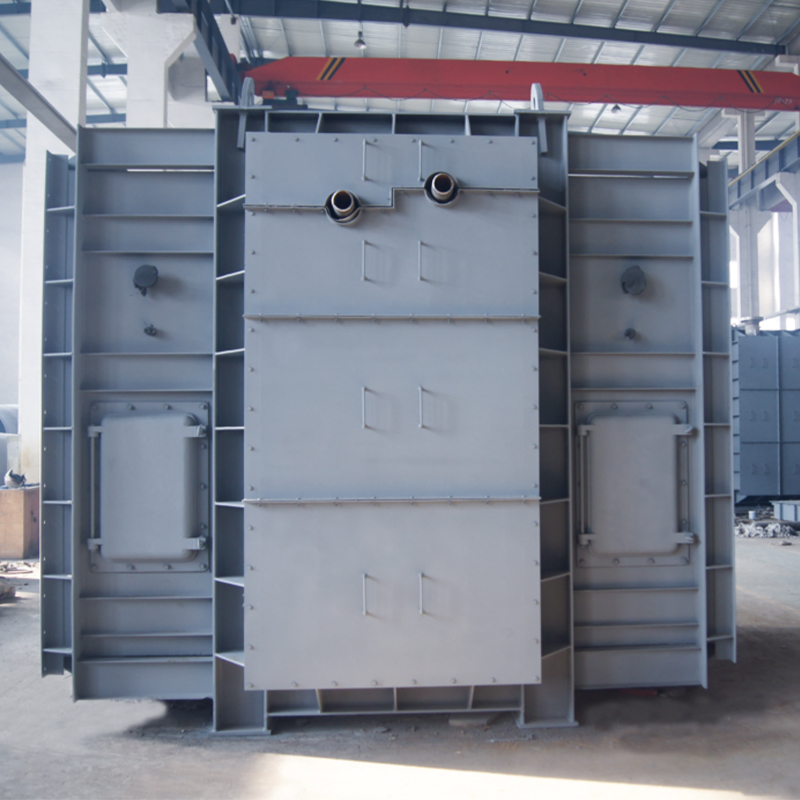
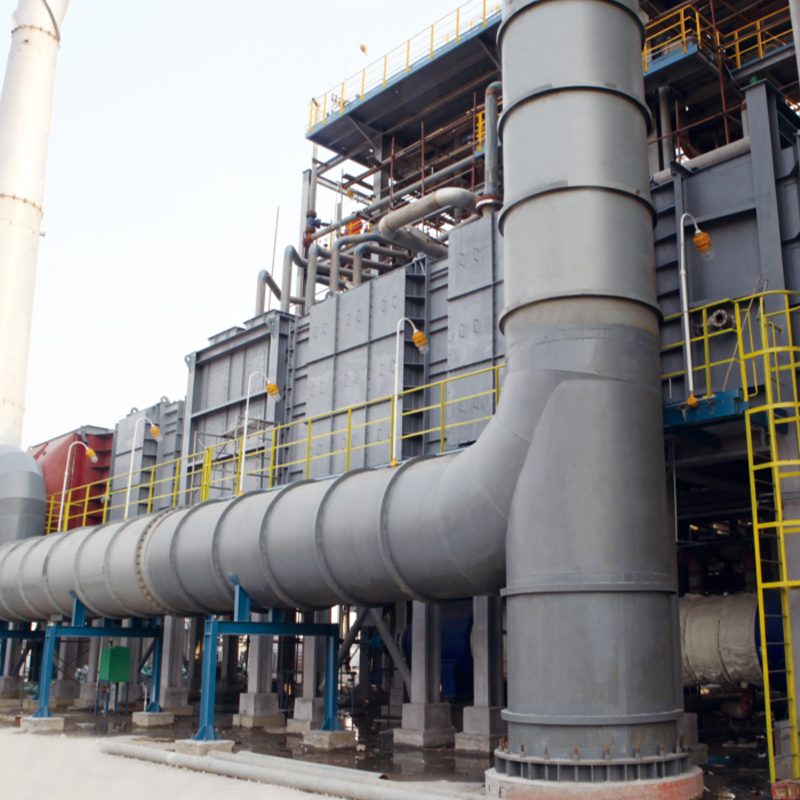
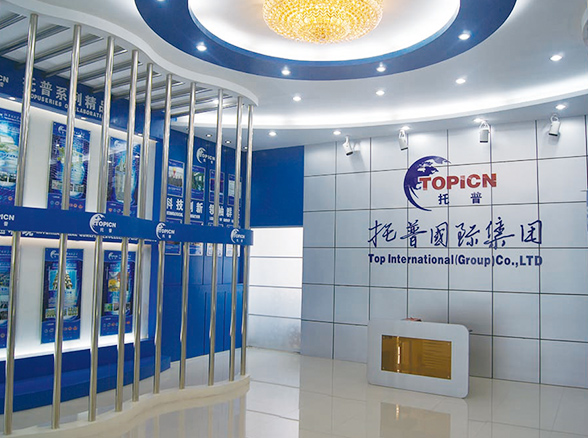
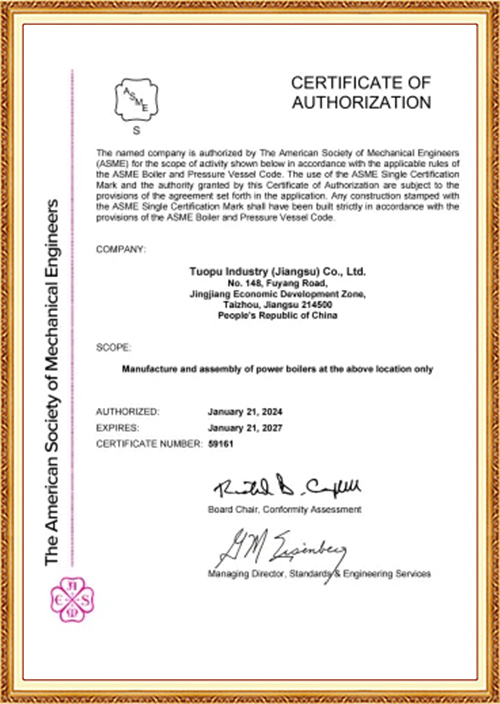
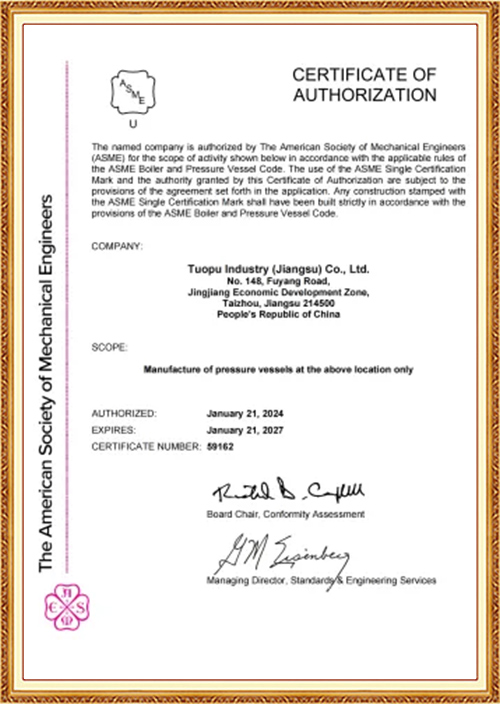
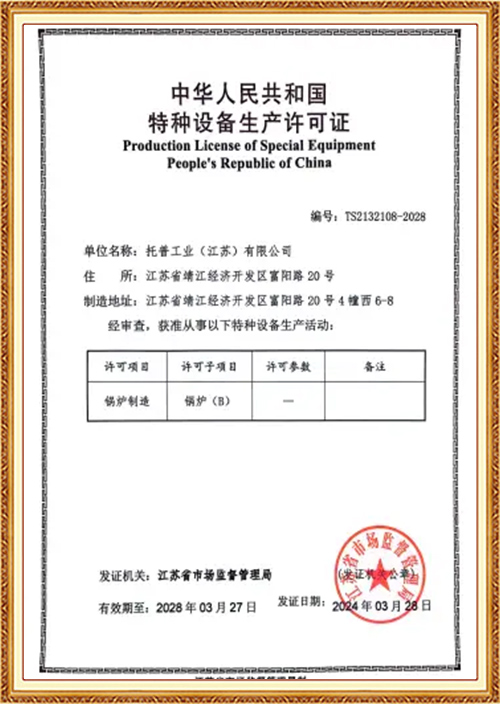
FURNACE PART represents the core structural and functional components of industrial fired heater systems serving petrochemical, coal chemical, and oil refining industries. These components directly determine thermal efficiency, operational stability, and service life of heating furnaces. Tuopu Industry (Jiangsu) Co., Ltd., as a professional manufacturer of heating furnaces and centrifugal casting furnace tubes in China, holds first-tier supplier status with SINOPEC, PetroChina, CNOOC, and qualified supplier certification from Sinochem Group. The company supplies Furnace Replacement Parts for ethylene cracking furnaces, hydrogen generation reformers, styrene unit heaters, CDU and VDU heaters, four-in-one reformers, and DRI reformer tube assemblies.
Core Product Portfolio
Tuopu Industry (Jiangsu) Co., Ltd. operates a large-scale fired heater manufacturing base, an intelligent furnace tube production facility, and a roll-on/roll-off dock, enabling full-chain capabilities from design and fabrication to EPC contracting. The company strictly adheres to API 560 standards for fired heaters in general refinery service. Its Fired Heater Parts portfolio encompasses four primary categories:
| Product Category |
Core Function |
Application Scope |
| Convection Section Module |
Preheats process fluid via convection heat transfer and reduces flue gas temperature |
Ethylene cracking furnaces, hydrogen reformers, atmospheric and vacuum distillation units |
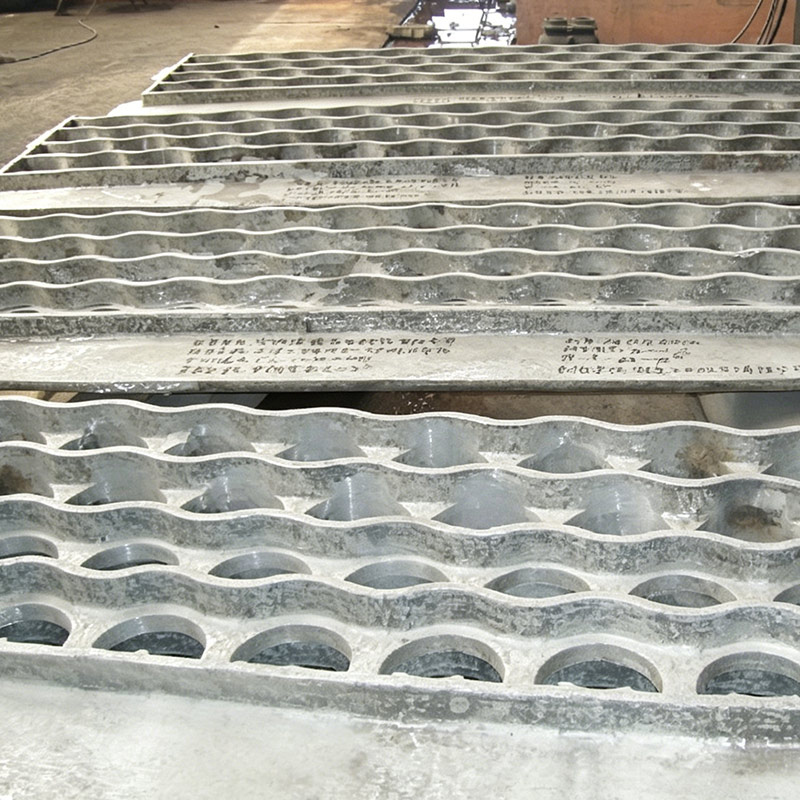
| Tube Sheet |
Supports and secures furnace tubes under high-temperature and high-pressure conditions |
Convection section tube sheets, radiant section tube sheets |
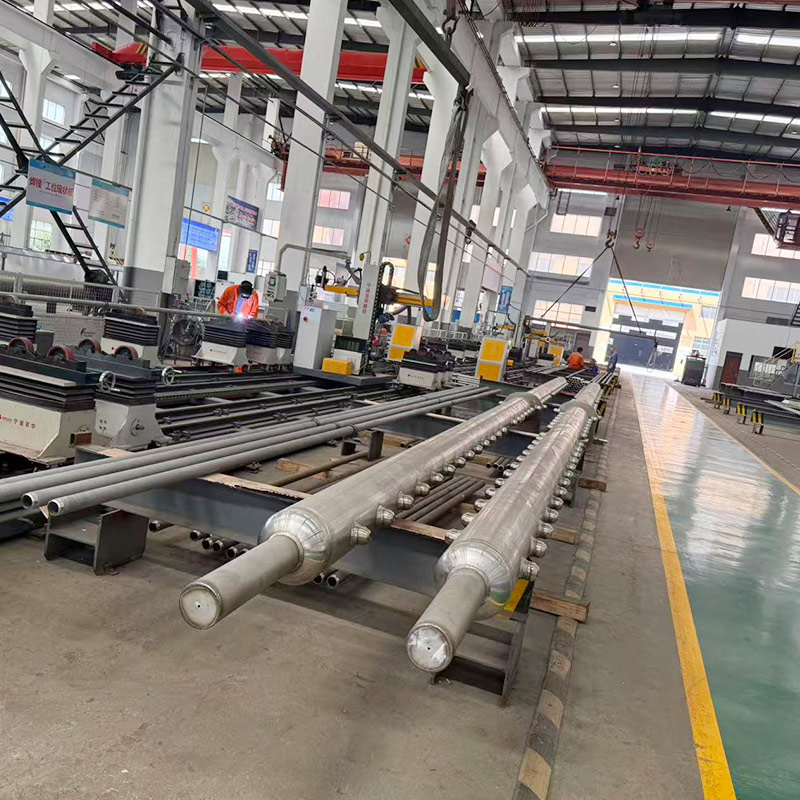
| Manifold |
Distributes or collects process fluid across multiple flow paths to ensure uniform distribution |
Reformer collector tubes, cracking furnace distribution headers |
| Furnace Accessories Series |
Structural components, refractory lining supports, and sealing assemblies |
General industrial fired heater supporting systems |
Technical Essentials of Convection Section Modules
The convection section serves as the critical heat exchange zone where flue gases leaving the radiant section continue transferring thermal energy. Per API 560 requirements, convection section designs must accommodate space for two future rows of tubes and incorporate provisions for soot blowing, steam lancing, or water washing lanes. Tuopu Industry (Jiangsu) Co., Ltd. manufactures convection section modules utilizing finned tubes or studded tubes to extend heat transfer surface area and significantly enhance thermal efficiency. API 560 specifies that convection tube sheet thickness shall be no less than 1/2 inch (approximately 12.7 mm), with refractory insulation layers ensuring outer casing temperatures do not exceed 180 degrees Fahrenheit (approximately 82 degrees Celsius).
In practical engineering applications, convection tube banks typically employ staggered arrangements with tube spacing based on standard nominal diameter multiples. Tuopu Industry (Jiangsu) Co., Ltd. convection section modules have been widely deployed in revamp and greenfield projects for major refining and petrochemical enterprises, where proven engineering solutions effectively address high-temperature sulfidation, fouling corrosion, and other typical service challenges.
Material Selection for Tube Sheets and Manifolds
Tube sheets function as structural supports for furnace tube systems, operating continuously in high-temperature, high-pressure, and corrosive media environments. Cast Steel Tube Sheets offer superior resistance to high-temperature creep and structural strength, making them the preferred choice for petrochemical fired heaters. API 560 establishes clear material requirements: when support design temperatures exceed 1200 degrees Fahrenheit (approximately 649 degrees Celsius) and fuel vanadium plus sodium content exceeds 100 parts per million, supports must either be covered with 50 millimeters of high-density castable refractory or fabricated from special alloy materials.
Stainless Steel Manifold components perform fluid distribution and collection functions within petrochemical units. According to API 560 Second Edition supplementary provisions, manifolds located inside header boxes shall be selected for the same design pressure as connecting tubes, with design temperature equal to the maximum fluid operating temperature at that location plus a minimum of 50 degrees Celsius. Tuopu Industry (Jiangsu) Co., Ltd. manufactures manifolds from stainless steel grades including 304, 321, 316, and 316L, with outer diameters ranging from 18 mm to 610 mm and wall thicknesses from 6 mm to 50 mm, satisfying diverse medium and low-pressure transportation pipeline requirements.
Furnace Accessories Supporting System
The Furnace Accessories Series encompasses structural steel components, refractory lining anchors, expansion joints, sealing assemblies, and access doors. While these accessories do not directly participate in heat transfer, they significantly influence overall furnace sealing integrity, thermal efficiency, and maintenance accessibility. Tuopu Industry (Jiangsu) Co., Ltd. strictly implements API 560 technical specifications regarding anchor material requirements (minimum Type 304 stainless steel), expansion joint placement, and refractory construction practices to ensure product reliability throughout the full service life cycle.
The company operates an intelligent production line within its large-scale fired heater manufacturing base, achieving comprehensive quality control from raw material inspection, precision casting, and machining to finished product testing. As a first-tier supplier to SINOPEC, PetroChina, and CNOOC, Tuopu Industry (Jiangsu) Co., Ltd. has exported products to overseas markets, accumulating extensive project execution experience in high-end applications including ethylene cracking furnace radiant coils and reformer tube assemblies.
Selection Guidelines for Fired Heater Components
When selecting Furnace Replacement Parts, comprehensive evaluation of design conditions, media characteristics, operating cycles, and maintenance strategies is essential. The following table summarizes key selection reference factors for major components:
| Component |
Key Selection Parameters |
Common Materials |
| Convection Section Module |
Heat transfer area, flue gas temperature, tube row count, extended surface type |
Carbon steel, alloy steel finned tubes |
| Tube Sheet |
Design temperature, design pressure, tube hole pattern, corrosion allowance |
Cast steel, stainless steel |
| Manifold |
Fluid flow rate, pressure rating, temperature range, corrosive media |
304 / 316 / 316L stainless steel |
| Furnace Accessories |
Refractory rating, structural loading, sealing requirements, maintenance access |
Carbon steel, stainless steel, refractory materials |
Frequently Asked Questions
01
What is the primary difference between convection section modules and radiant sections
Convection section modules rely on convective heat transfer as the dominant mechanism, with process fluid entering the convection section for preheating before flowing into the radiant section. Radiant sections utilize direct flame radiation for heating. Convection sections operate at lower flue gas temperatures and typically employ extended surface tubes such as finned or studded tubes to enhance heat transfer, while radiant sections must withstand higher heat flux densities.
02
What advantages do cast steel tube sheets offer over welded tube sheets
Cast Steel Tube Sheets feature integral construction without weld defects, delivering superior resistance to high-temperature creep, which is particularly critical for high-temperature and high-pressure service conditions. Welded tube sheets are susceptible to weld cracking under prolonged thermal cycling, whereas the structural continuity of cast steel tube sheets effectively mitigates such risks.
03
What are typical applications of stainless steel manifolds in petrochemical units
Stainless Steel Manifolds are widely applied in feed distribution for ethylene cracking furnaces, process gas collection for hydrogen reformers, and side-draw extraction for atmospheric and vacuum distillation units. Grades 304 and 316L respectively address general corrosion service and chloride-containing media in severe operating environments.
04
What are the core design requirements of API 560 for fired heater components
API 560 covers process design, combustion design, mechanical design, material selection, fabrication inspection, and installation commissioning. Key requirements include minimum tube sheet thickness, refractory lining anchor materials, manifold design temperature margins, convection section expansion provisions, and outer casing temperature limits.
05
What is the typical replacement cycle for fired heater components
Replacement cycles depend on operating conditions, media corrosivity, and maintenance practices. Convection section modules typically require inspection evaluation every 5 to 8 years, while tube sheets and manifolds can achieve over 10 years under normal operating conditions. High-temperature sulfidation, carburization, and thermal fatigue represent primary failure drivers; regular non-destructive testing effectively extends service life.
06
How to determine when tube sheets require replacement
Tube sheet replacement should be considered when the following conditions are observed: tube hole ovality exceeding tolerance, sealing surface damage causing leakage, wall thickness reduction exceeding corrosion allowance, or crack propagation reaching critical dimensions. Tuopu Industry (Jiangsu) Co., Ltd. recommends conducting ultrasonic thickness measurement and penetrant testing during annual maintenance shutdowns.

 English
 русский
 فارسی
فارسی