
 English
 русский
 فارسی
فارسی
Tuopu’s DRI Furnace Tube Series is specially designed for Direct Reduced Iron (DRI) furnaces, offering superior heat resistance, mechanical strength, and long-term operational stability. Manufactured ...
See Details Home / News / Industry News / DRI Reformer Tubes: Materials, Design, Failure Modes & Procurement Guide
2026-10-02
Content
Reformer tubes in a direct reduced iron (DRI) plant are not ordinary heat-exchanger tubes. They sit inside a fired reformer, where natural gas, steam, and recycled top gas react at roughly 850–950°C to produce the hydrogen and carbon monoxide that reduce iron ore. When those tubes creep, carburize, or crack, the DRI module loses its reducing gas and production stops. The practical takeaway: specify DRI reformer tubes by operating condition first, then by alloy, casting quality, inspection plan, and spare-parts strategy—not by price per kilogram alone.
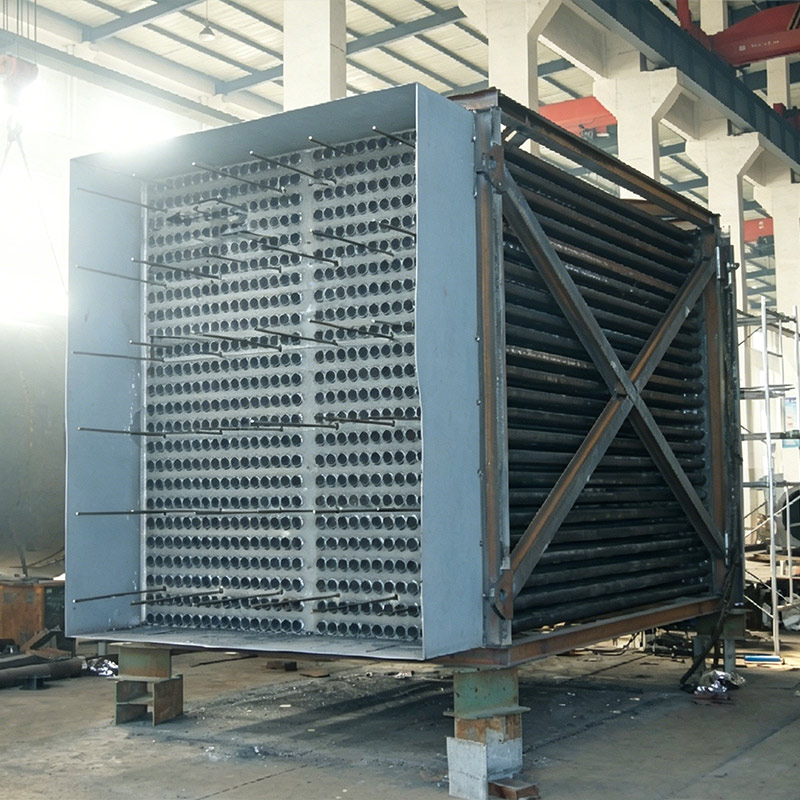 DRI Reformer TubeTuopu’s DRI Furnace Tube Series is specially designed for Direct Reduced Iron (DRI) furnaces, offering superior heat resistance, mechanical strength, and long-term ope...View Product →
In a typical gas-based DRI process, the reformer is the chemical heart of the plant. It converts a mixture of natural gas and steam into synthesis gas, or syngas, which is mostly hydrogen and carbon monoxide. That syngas is then fed to the shaft furnace, where it strips oxygen from iron ore pellets. The reformer tubes are the reaction vessels: they contain the catalyst and transfer heat from the furnace burners to the process gas.
DRI reformers often operate with a higher carbon potential and a different steam-to-carbon ratio than a conventional steam methane reformer. That matters because the tube wall sees both high temperature and a gas atmosphere that can carburize or oxidize the alloy. A tube that performs well in one hydrogen plant may not be suitable for a DRI reformer without a careful review of gas composition, heat flux, and cycling. For a broader view of how the reformer fits into the DRI flowsheet, see this review of DRI technology and core equipment solutions.
Design starts with the process licensor’s heat and material balance. The tube diameter, wall thickness, and alloy are then selected to survive a target creep life. A small change in temperature has a large effect: in high-alloy reformer tubes, a 20°C increase in tube metal temperature can cut remaining creep life by roughly half. Pressure adds hoop stress, and thermal cycling adds fatigue damage that is not captured by a simple stress calculation.
| Parameter | Typical range | Why it matters |
|---|---|---|
| Reaction temperature | 850–950°C | Primary driver of creep life |
| Operating pressure | 10–30 bar | Sets hoop stress and wall thickness |
| Gas atmosphere | H2, CO, CO2, CH4, H2O | Carburizing and oxidizing potential vary along the tube |
| Thermal cycles | 5–50 per year | Adds thermal fatigue damage |
| Design life | 80,000–120,000 hours | Defines inspection intervals and spare strategy |
For procurement, the tube drawing usually specifies a minimum wall thickness, a maximum ovality, and a maximum allowable diametral expansion after service. Those numbers are only meaningful if the purchaser and the tube manufacturer agree on the inspection method and the reference point for dimensional readings.
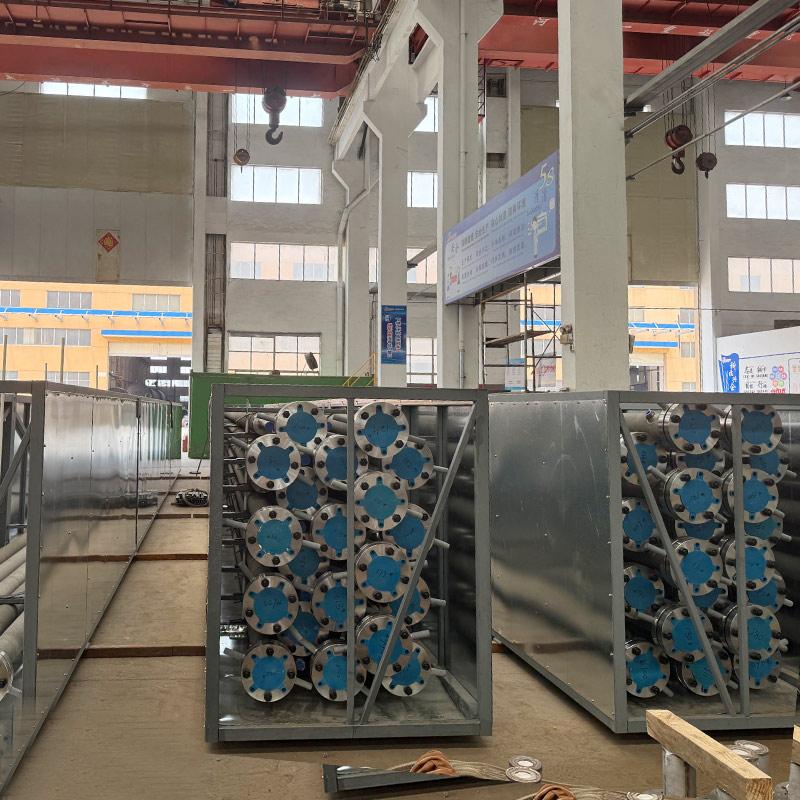 Reformer TubeTuopu’s Reformer Tube is designed for high-temperature chemical reactions in industrial furnaces, ensuring efficient heat transfer, structural integrity, and long-term...View Product →
Most DRI reformer tubes are centrifugally cast from high-alloy heat-resistant steels. The casting process produces a columnar grain structure that is stronger in creep than a static casting of the same chemistry. The common families are 25Cr-35Ni (often called HP) and 35Cr-45Ni, with niobium, tungsten, or micro-alloying additions used to stabilize carbides and improve high-temperature strength.
The alloy choice is a trade-off between creep strength, carburization resistance, and weldability. Higher nickel content generally improves resistance to carburizing atmospheres but can reduce thermal conductivity. Niobium and tungsten form stable carbides that slow creep deformation. A tube with the right chemistry but poor casting quality—gas porosity, shrinkage, or an unfavourable carbide network—can fail early even if the certificate shows the correct grade.
When comparing quotations, ask for the actual measured chemistry, the grain structure report, and the results of non-destructive testing on every tube—not just a generic mill certificate. A supplier that centrifugally casts and machines tubes in-house can often control those variables more consistently. The same manufacturing controls used for high-temperature reformer tubes apply to DRI-specific geometries, including wall thickness, concentricity, and end preparations.
DRI reformer tubes usually fail slowly, then suddenly. The slow part is creep: the tube diameter grows, the wall thins, and the alloy loses strength. The sudden part is a crack or a bulge that forces an unplanned shutdown. Inspection is therefore a life-management tool, not a one-time acceptance test.
A practical inspection plan combines visual checks, dimensional readings, and at least one volumetric method such as ultrasonic testing. The frequency depends on operating severity, but many DRI plants inspect tubes every 12–24 months and after any significant temperature excursion.
Buying reformer tubes is not like buying pipe. The tube is a pressure part, a catalyst container, and a heat-transfer surface at the same time. The purchase specification should make the supplier responsible for measurable outcomes, not just chemistry.
For a DRI project, the reformer tube order should be coordinated with the reformer design, catalyst loading, and outlet manifold. A supplier with casting, machining, and assembly experience can reduce the interface risk between those items.
Design life is typically 80,000–120,000 hours, but actual life depends on tube metal temperature, gas composition, and cycling. Tubes that run above design temperature or see frequent shutdowns may need replacement earlier. Regular diameter measurements are the simplest way to track remaining life.
Sometimes, but not automatically. DRI reformers can have a different carbon potential and gas composition. The alloy must be checked for carburization resistance and creep strength under the actual DRI conditions. A tube that is acceptable for a hydrogen plant may not be optimal for a DRI reformer.
Many operators inspect tubes every 12–24 months. The interval should be shortened if the plant has experienced overheating, catalyst problems, or frequent thermal cycling. A baseline inspection at commissioning is also useful for future comparisons.
DRI reformer tubes are a long-lead, high-consequence item. The right specification balances creep strength, carburization resistance, casting quality, and inspection access. To discuss a specific DRI reformer tube specification, request a quote and share the process data, tube drawing, and required delivery schedule.
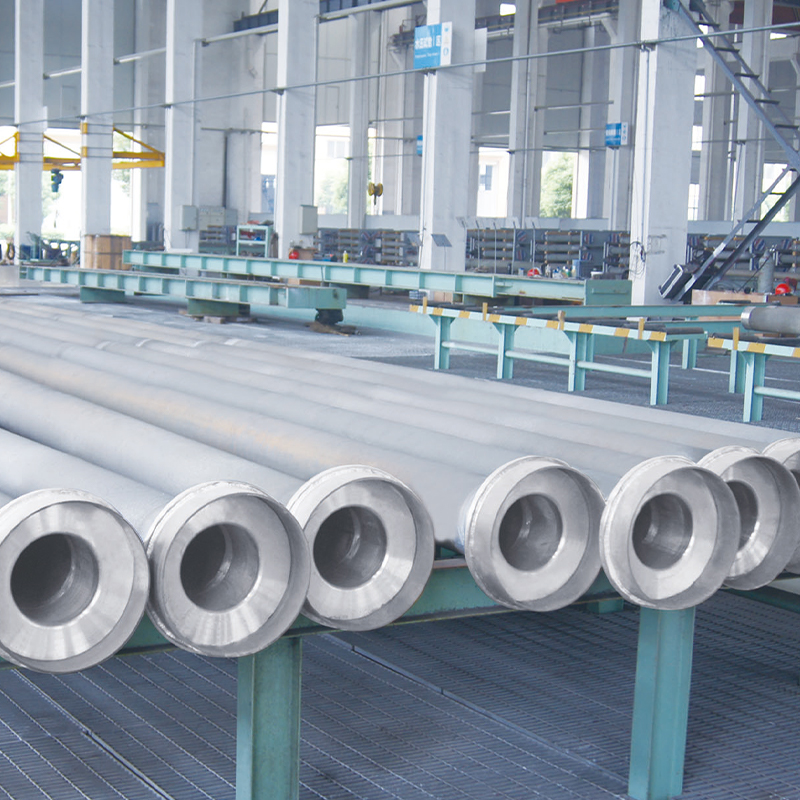
Tuopu’s DRI Furnace Tube Series is specially designed for Direct Reduced Iron (DRI) furnaces, offering superior heat resistance, mechanical strength, and long-term operational stability. Manufactured ...
See Details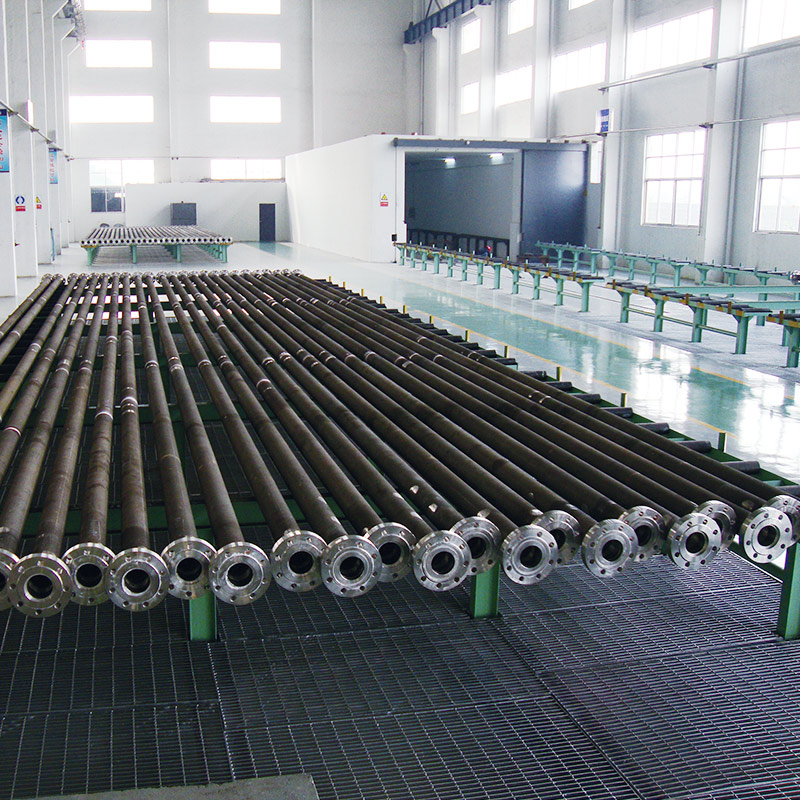
Tuopu’s Reformer Tube is designed for high-temperature chemical reactions in industrial furnaces, ensuring efficient heat transfer, structural integrity, and long-term operational stability. These tub...
See Details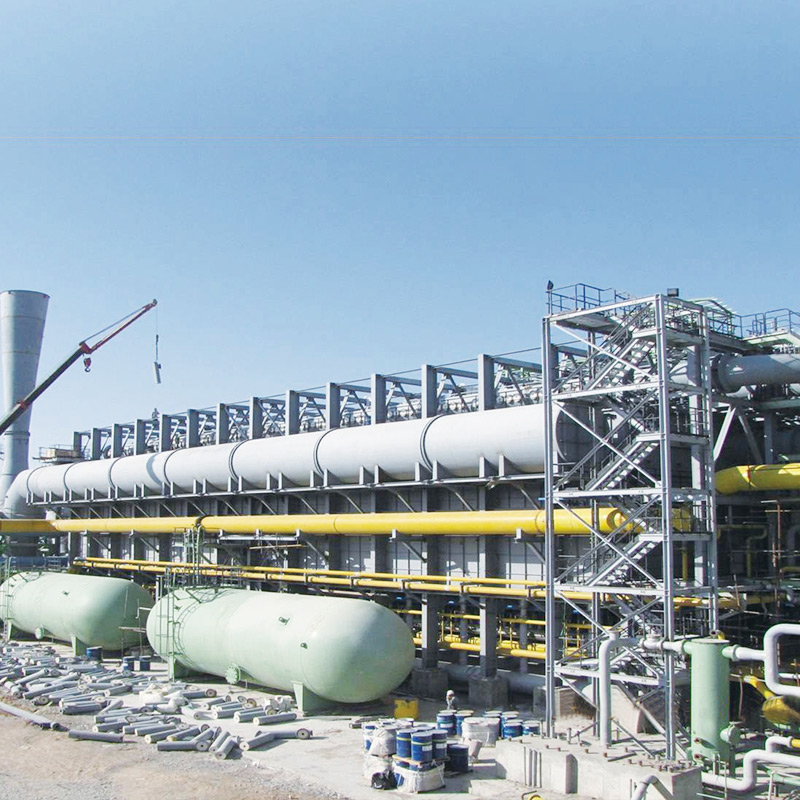
Tuopu’s DRI Furnace is a tailor-made solution designed specifically for steelmaking plants, providing reliable and efficient direct reduced iron (DRI) production. Engineered for high operational stabi...
See Details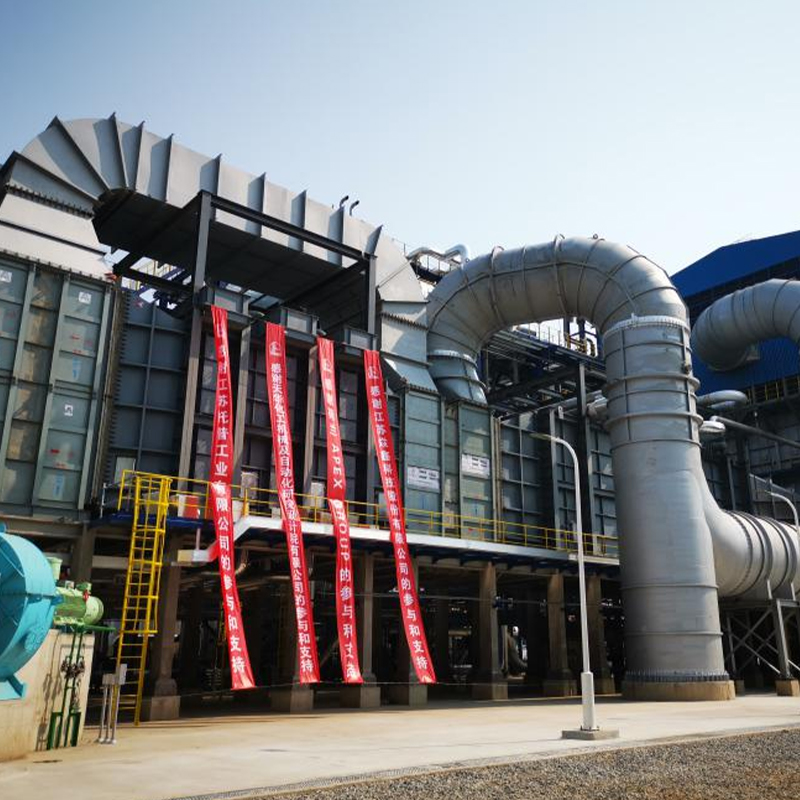
Our Hydrogen Generation Reformer is specially designed to provide precise and reliable heating for hydrogen production processes in refineries and petrochemical plants. It ensures stable feedstock pre...
See DetailsPhone
+86 189 5262 7611
+86-(0)523 8498 2299
Address
No.20, Fuyang Road, Jingjiang City, Jiangsu Province, China
Media