Core Process Equipment
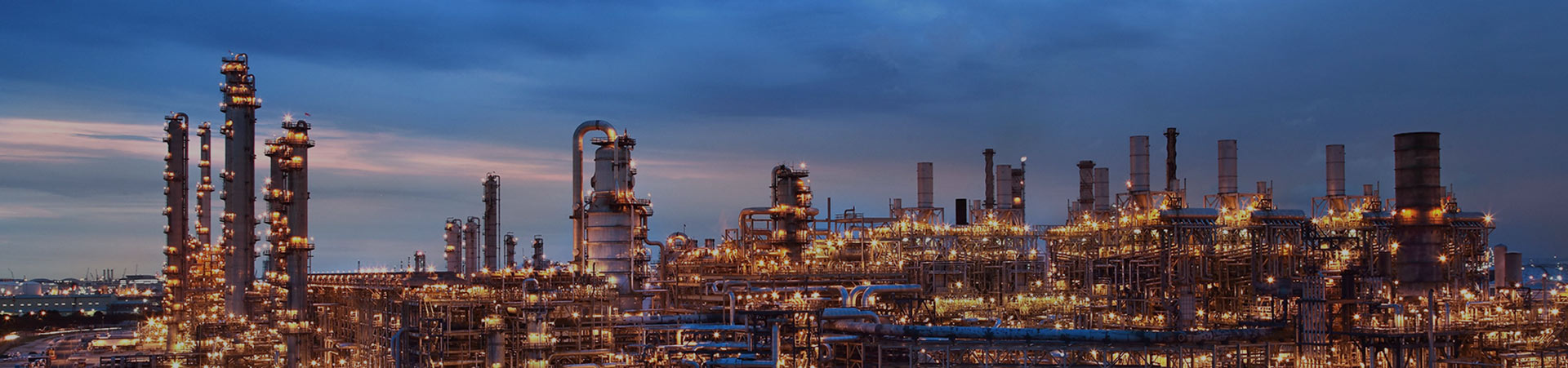
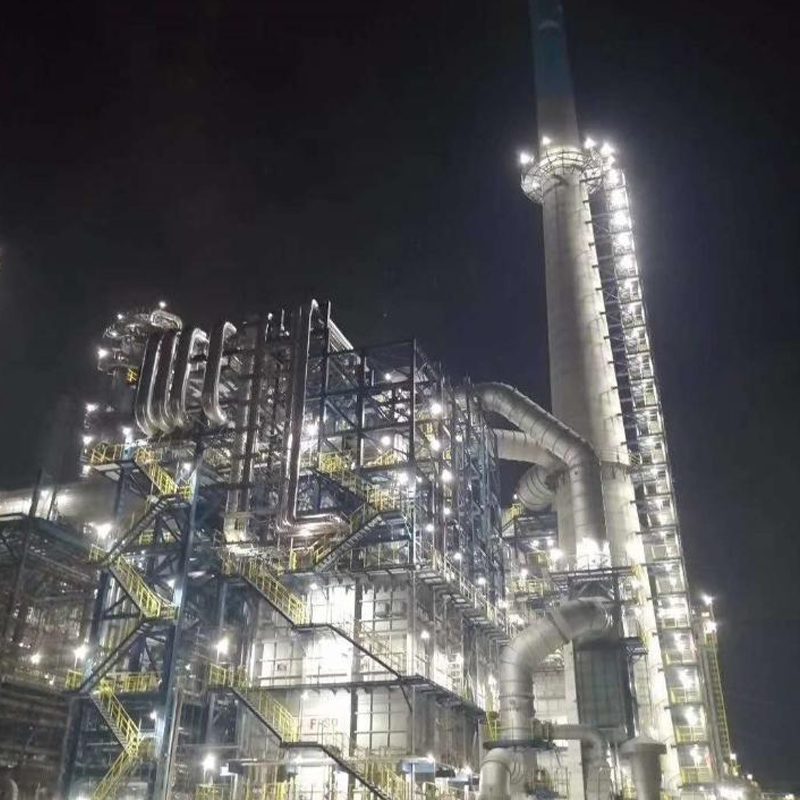
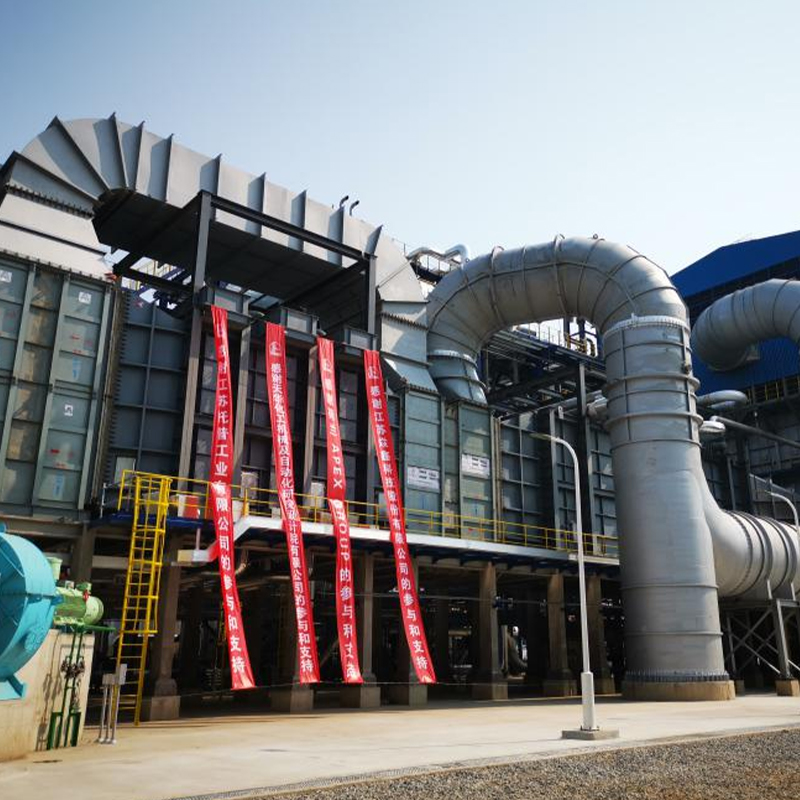
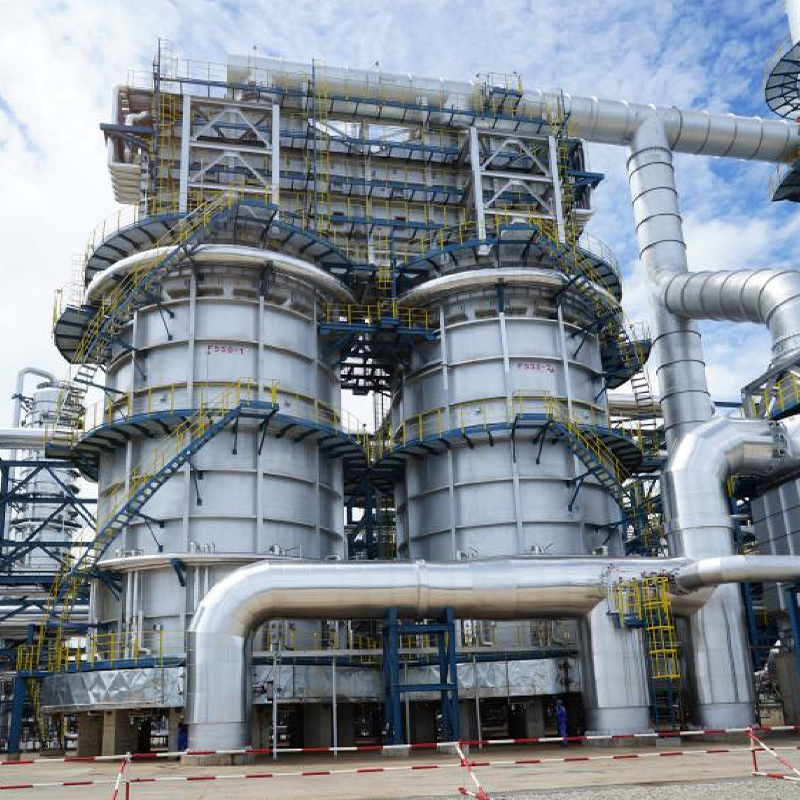
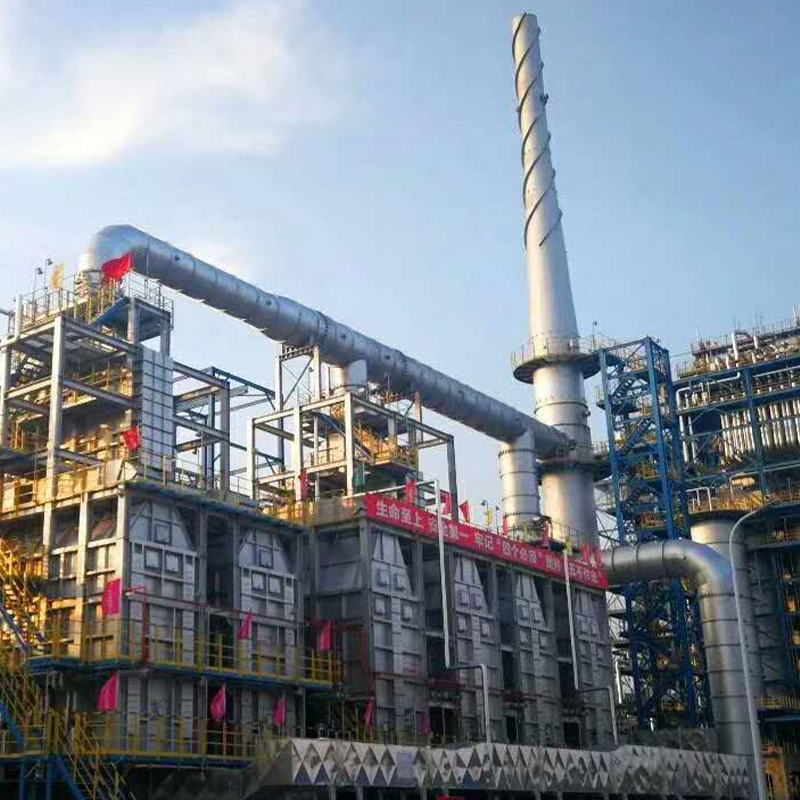
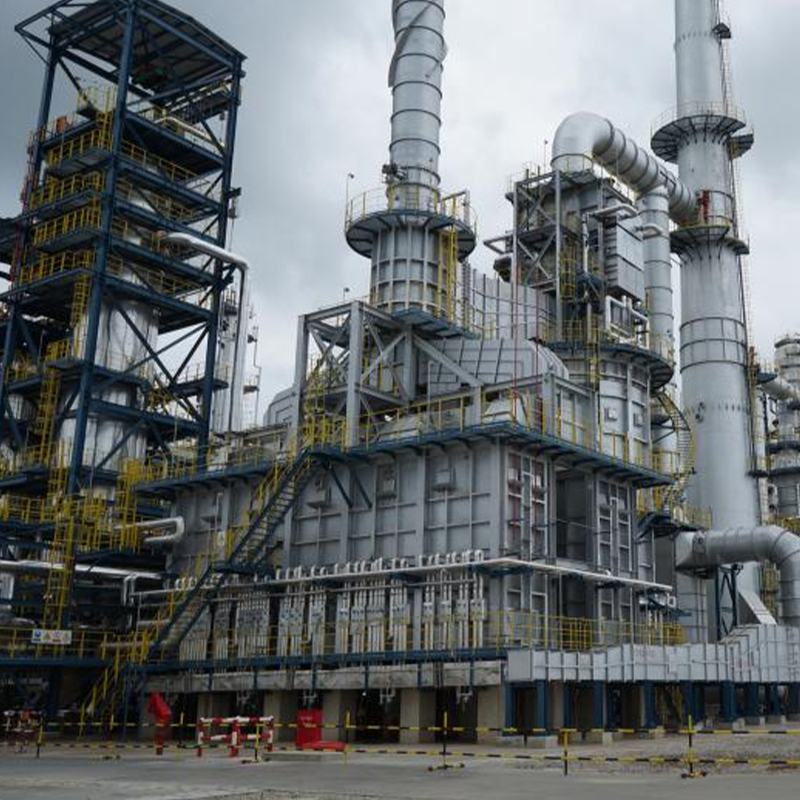
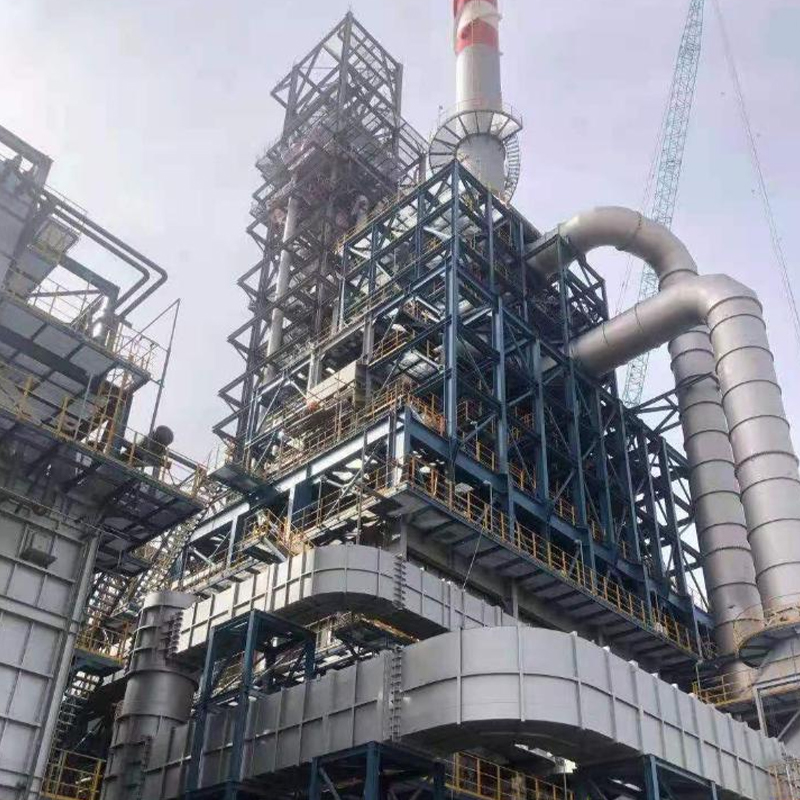
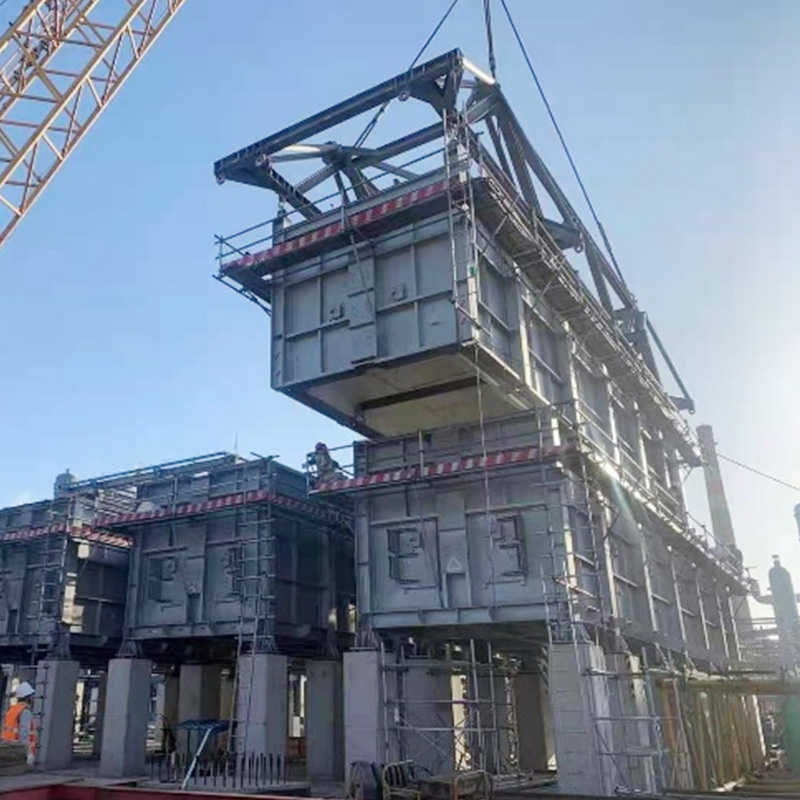
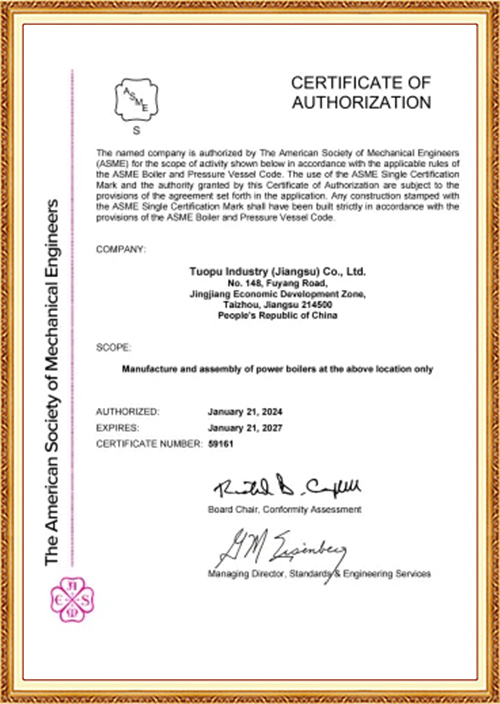
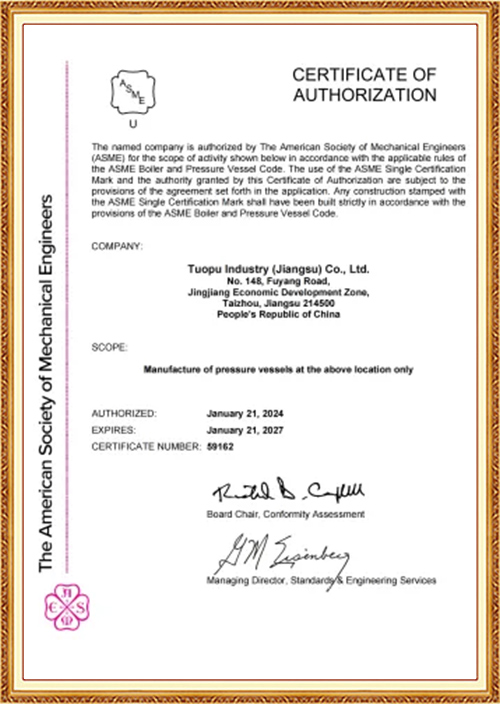
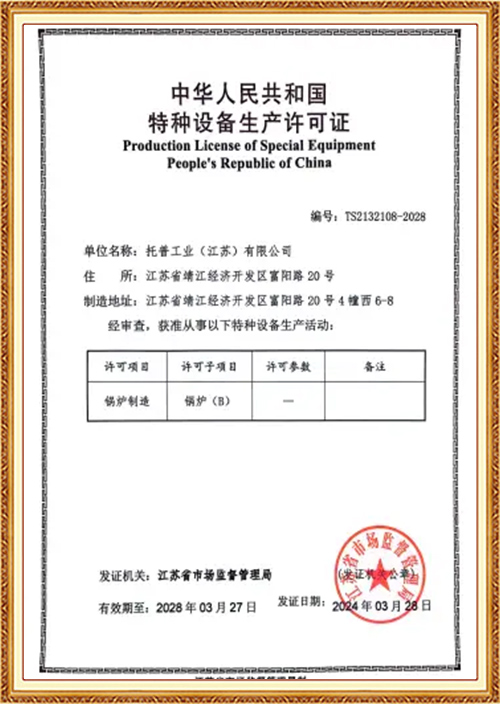
A fired heater for oil refinery is the core thermal equipment in petroleum refining operations, transferring heat from fuel combustion to process fluids flowing through tubular coils. It provides precise temperature control for critical refinery processes including crude distillation, hydrocracking, delayed coking, and catalytic reforming. Tuopu Industry (Jiangsu) Co., Ltd. is a professional brand of heating furnaces and centrifugal casting furnace tubes in China, serving as a first-level supplier for SINOPEC, PetroChina, and CNOOC, and a qualified supplier for Sinochem Group. The company operates a large-scale fired heater manufacturing base, an intelligent furnace tube production facility, and a roll-on/roll-off dock, delivering EPC contracting services for heating furnaces to customers across the petrochemical, coal chemical, and oil refinery industries.
Core Types of Refinery Fired Heaters
R
Reaction Heater
Heating and catalytic reactions occur simultaneously inside tubes at 850 to 1000 degrees Celsius, used for hydrocracking and catalytic reforming.
D
Distillation Heater
Raises hydrocarbon streams to specific temperatures without causing cracking, used for crude distillation and aromatics separation.
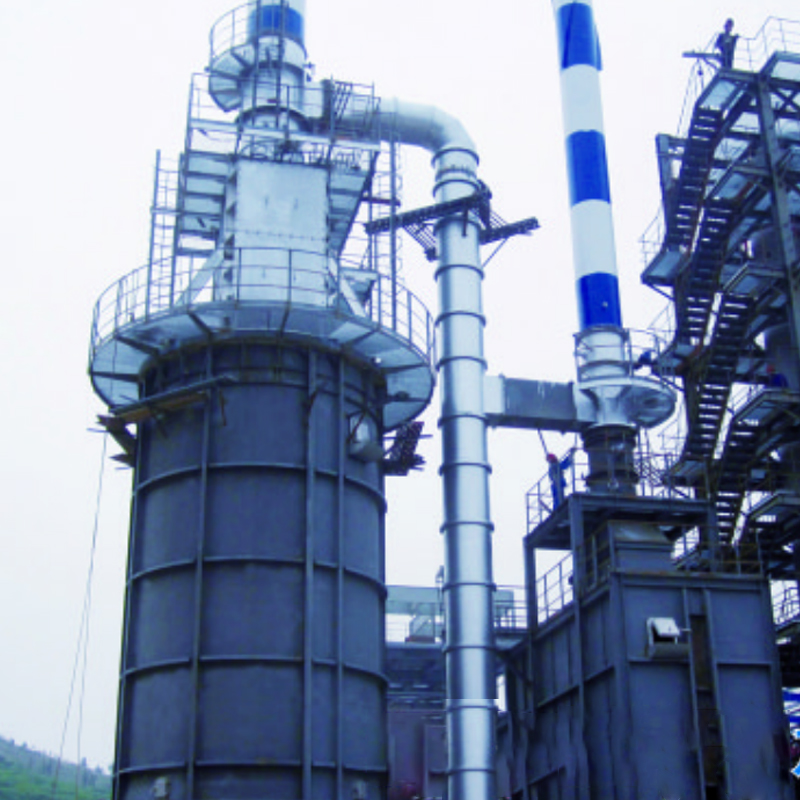
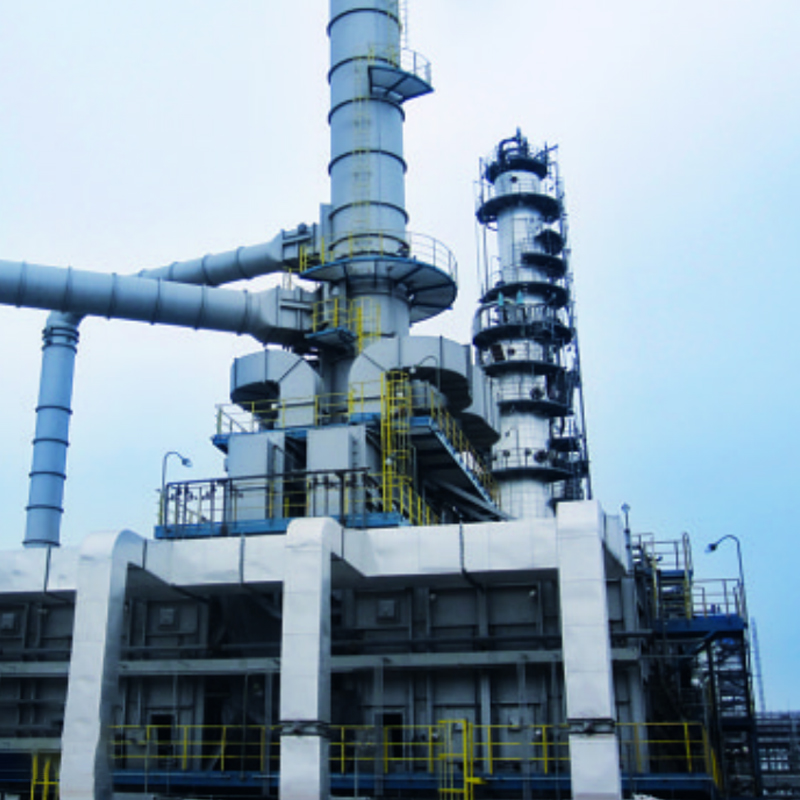
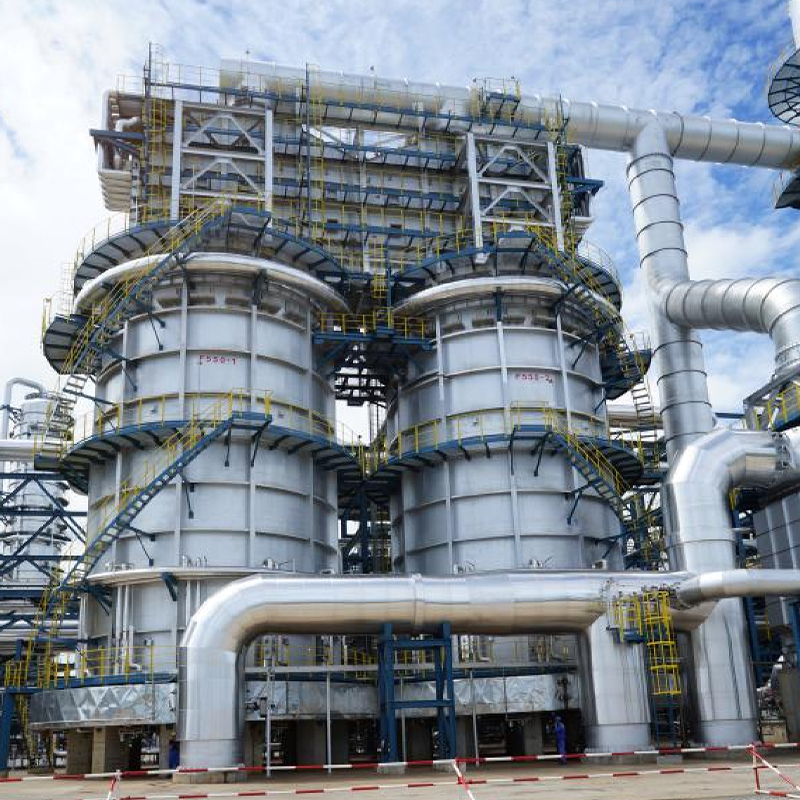
According to API 560 standards, common heater configurations include vertical cylindrical heaters, cabin horizontal coil heaters, box heaters with vertical tubes, and helical coil heaters. Vertical cylindrical heaters offer high heat transfer efficiency and uniform temperature distribution. Cabin horizontal coil heaters feature a compact design with minimal footprint. Box heaters with vertical tubes allow easy maintenance access. Helical coil heaters minimize pressure drop and fouling potential. Tuopu Industry (Jiangsu) Co., Ltd. leverages mature engineering solutions and independent core product manufacturing capabilities to customize all these heater types.
Thermal Efficiency and Optimization
85-92%
Typical Thermal Efficiency Range
60-65%
Energy Cost Share of Total Operating Cost
20-25°F
Film Temperature Increase
Doubles Coking Rate
The radiant section operates at the highest temperatures within the heater, where tube metal temperatures directly determine equipment life. The convection section recovers waste heat from flue gas through finned tubes, serving as a critical factor in improving overall efficiency. Tuopu Industry (Jiangsu) Co., Ltd. emphasizes uniform heat flux distribution in the radiant section and optimized waste heat recovery in the convection section. Coking represents the primary challenge affecting long-cycle operation. For every 20 to 25 degrees Fahrenheit increase in film temperature, the coking rate approximately doubles. Tuopu Industry (Jiangsu) Co., Ltd. has accumulated extensive fired heater optimization experience through close collaboration with East China Institute, Huafu Institute, and Luoyang Institute.
Tuopu Industry Product Portfolio
| Product Name |
Application Unit |
Core Function |
| Fired Heater for CDU and VDU |
Crude Distillation Unit |
Heating crude oil to distillation temperature for component separation |
| Hydrocracking Fired Heater |
Hydrocracking Unit |
Providing high-temperature heat source for heavy oil hydrocracking reactions |
| Residue Hydrocracking Heater |
Residue Hydroprocessing Unit |
Processing high-sulfur high-metal residue to improve light oil yield |
| Hydrogen Generation Reformer |
Hydrogen Production Unit |
Delivering 1000 degrees Celsius level heat for hydrocarbon steam reforming |
| Four-in-One Reforming Fired Heater |
Catalytic Reforming Unit |
Integrating multi-pass reaction heating to improve unit compactness |
| Delayed Coking Heater |
Delayed Coking Unit |
Heating heavy residue to cracking temperature for petroleum coke production |
| Heater for Visbreaking Unit |
Visbreaking Unit |
Reducing heavy oil viscosity to improve flow characteristics |
| Diesel Hydrotreating Fired Heater |
Diesel Hydrotreating Unit |
Preheating feedstock for hydrodesulfurization and denitrification reactions |
| Xylene Reboiler Fired Heater |
Aromatics Separation Unit |
Providing reboiler heat source for xylene distillation column |
| Sulfur Incinerator Furnace |
Sulfur Recovery Unit |
Incinerating sulfur-containing off-gas to meet environmental standards |
Material Selection and Durability
01
Radiant Section Tubes
HP series centrifugally cast alloy steel tubes, stable above 950 degrees Celsius, with high-temperature creep resistance and anti-carburization
➔
02
Convection Section Fins
Balancing heat resistance with flue gas corrosion resistance for efficient waste heat recovery
➔
03
Modular Refractory
Refractory fiber modules, lightweight, superior insulation, easy installation, replacing traditional bricks
Tuopu Industry (Jiangsu) Co., Ltd. operates an intelligent centrifugal casting furnace tube production line, manufacturing core components including ethylene cracking tubes and radiant coils with excellent high-temperature creep resistance and anti-carburization properties. The company adopts modular refractory lining structures in fired heater design, combined with optimized burner arrangement, to achieve uniform temperature field distribution and prevent tube damage from localized overheating.
Safe Operation and Environmental Compliance
⚠
Critical Data
Each one percent increase in excess air ratio raises fuel consumption by approximately 0.5 percent, with corresponding increases in NOx and CO2 emissions. Tuopu Industry (Jiangsu) Co., Ltd. integrates advanced combustion control systems in fired heater design, achieving dual objectives of combustion optimization and emission control through precise monitoring of flue gas oxygen content and tube wall temperatures.
During startup and shutdown phases, fired heaters present the highest safety risk in refinery operations. Tuopu Industry (Jiangsu) Co., Ltd. engineering solutions strictly adhere to international safety standards, incorporating reliable flame detection, fuel shutoff, and ventilation interlock systems to ensure safe operation throughout the full equipment lifecycle.
Frequently Asked Questions
Q1
What thermal efficiency can refinery fired heaters typically achieve
Modern refinery fired heaters typically achieve thermal efficiency between 85 and 92 percent. The radiant section transfers heat through convection and radiation, while the convection section recovers waste heat using finned tubes. Maintaining appropriate excess air ratios, regularly cleaning convection section fouling, and optimizing burner flame geometry are effective measures.
Q2
What are the main causes of coking and how to prevent it
Coking is primarily caused by excessive tube wall film temperature, low fluid velocity, and extended residence time. Industry data shows that for every 20 to 25 degrees Fahrenheit increase in film temperature, the coking rate approximately doubles. Prevention includes increasing mass velocity to reduce film temperature, optimizing steam injection which can reduce coking rate by approximately 16 percent, and adopting small-flame multi-burner arrangements.
Q3
What are the main heater configurations used in refineries
According to API 560 standards, common configurations include vertical cylindrical heaters with high efficiency and uniform distribution, cabin horizontal coil heaters with compact structure, box heaters with vertical tubes for easy maintenance, and helical coil heaters for high-viscosity fluids. Selection depends on process requirements, site conditions, and investment budget.
Q4
What is the typical operating cycle length for fired heaters
Operating cycles vary by process type and feedstock. Delayed coking heaters typically undergo online decoking every 3 to 6 months, with steam-air decoking approximately every 12 months. Crude distillation heaters can achieve cycles of 3 to 5 years. Optimizing parameters, strengthening monitoring, and timely decoking extend operating cycles.
Q5
What materials are commonly used for radiant section tubes
Radiant section tubes operate at 850 to 1000 degrees Celsius, typically using HP series centrifugally cast alloy steel tubes such as HP-50 and HP-Plus. These materials exhibit excellent high-temperature creep resistance, anti-carburization, and oxidation resistance. Tuopu Industry (Jiangsu) Co., Ltd. operates an intelligent centrifugal casting furnace tube production line.
Q6
How to reduce NOx emissions from fired heaters
Primary approaches include installing low-NOx burners utilizing staged combustion and flue gas recirculation to control emissions below 30 milligrams per normal cubic meter, optimizing combustion air preheat temperature, precisely controlling excess air ratio, and performing regular burner maintenance.
Q7
How does convection section fouling affect heater operation
Convection section fouling significantly reduces heat transfer efficiency, leading to increased stack temperature and fuel consumption. The fouling layer acts as thermal insulation. Regular cleaning using steam soot blowers is essential. Wet steam causes erosion damage, so ensuring steam dryness is critical.
Q8
What are the advantages of EPC contracting for fired heater projects
EPC contracting integrates design, procurement, and construction under a single responsibility entity, effectively shortening schedules and reducing interface management costs. Tuopu Industry (Jiangsu) Co., Ltd. possesses fired heater EPC capabilities with a large manufacturing base and extensive project management experience.
Selection Recommendations
New Refinery Projects
Prioritize high-efficiency, highly automated heater configurations to reduce long-term operating costs. The radiant section should use high-temperature alloy centrifugally cast tubes, the convection section should use corrosion-resistant finned tubes, and the refractory lining should adopt modular fiber structures.
Revamp Projects
Focus on evaluating energy efficiency improvement potential and emission compliance pathways. Establishing comprehensive wall temperature monitoring systems, performing regular combustion optimization tuning, and developing scientific decoking schedules are key to long-term safe operation.
Tuopu Industry (Jiangsu) Co., Ltd., through deep collaboration with renowned research institutes, independent core product manufacturing capabilities, and extensive engineering experience, provides global refinery clients with full-lifecycle support from conceptual design to after-sales service.

 English
 русский
 فارسی
فارسی