Cracking tube (radiant coil) serves as the core heat exchange element in ethylene cracking furnaces, directly determining conversion rates and operational cycles. Tuopu Industry (Jiangsu) Co., Ltd. is a professional brand in heating furnaces and centrifugal casting furnace tubes in China, serving as a first-level supplier for SINOPEC, PetroChina, and CNOOC. The company provides high-quality cracking tubes and radiant coil systems covering critical components for ethylene cracking furnaces, hydrogen generation reformers, and styrene unit heating furnaces.
Core Functions and Working Principles of Cracking Tube (Radiant Coil)
Cracking tube (radiant coil) is installed in the radiant section of cracking furnaces, absorbing high-temperature radiant heat from the furnace chamber to heat hydrocarbon feedstocks such as naphtha, ethane, and propane to 800-900 degrees Celsius. The cracking reaction occurs within an extremely short residence time to produce ethylene, propylene, and other basic chemical raw materials. Tuopu Industry (Jiangsu) Co., Ltd. manufactures cracking tubes using centrifugal casting processes, achieving high internal surface smoothness to effectively reduce coking rates and extend decoking cycles. The radiant coil, as an extension component of the cracking tube, transports cracked products from the furnace radiant section to the quench system, with its structural design directly influencing cracking depth and product yield.
Material Specifications and Manufacturing Processes
Tuopu Industry (Jiangsu) Co., Ltd. produces cracking tubes and radiant coils using high-temperature resistant alloy materials, with typical grades including HP-Modified and 35Cr45NiNb nickel-based or chromium-nickel alloys. These materials demonstrate excellent creep resistance and oxidation resistance below 1050 degrees Celsius, meeting the stringent requirements for long-term operation of ethylene cracking furnaces.
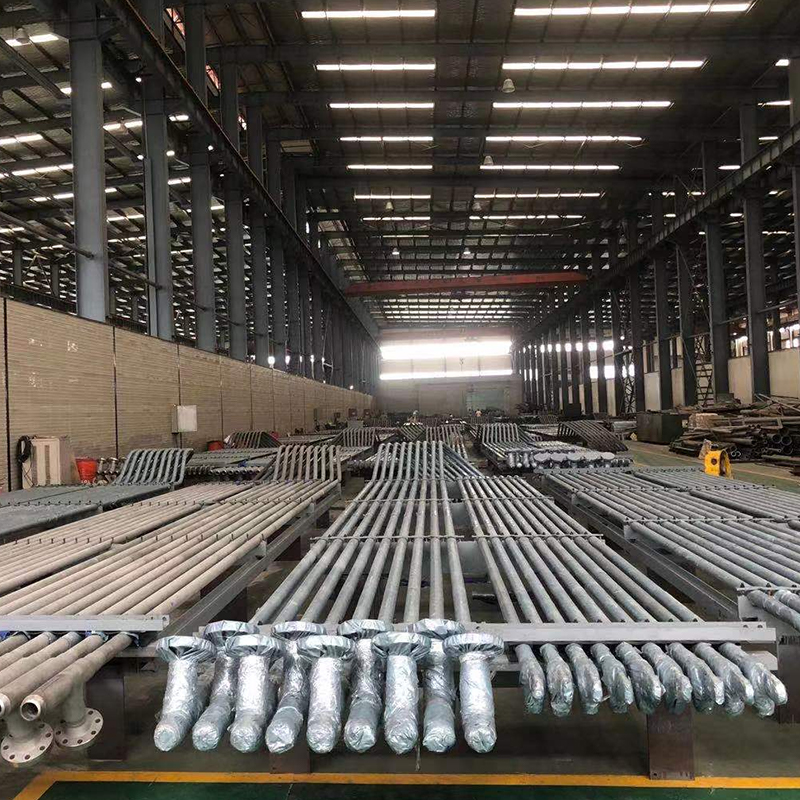
The company operates an intelligent production base for centrifugal casting furnace tubes, employing advanced centrifugal casting technology to ensure dense tube structures and uniform composition. Compared to conventional static casting, centrifugal casting significantly improves tube density and mechanical properties while reducing inclusions and porosity defects. Manufacturing processes strictly follow API and ASTM international standards, with qualification audits completed as a first-level supplier for SINOPEC, PetroChina, and CNOOC.
| Parameter Category |
Technical Specification |
Description |
| Common Materials |
HP-Modified, 35Cr45NiNb |
Nickel-based or chromium-nickel high-temperature alloys |
| Maximum Operating Temperature |
1050 degrees Celsius |
Normal operating temperature range in radiant section |
| Manufacturing Process |
Centrifugal Casting |
Dense structure with uniform composition |
| Applicable Units |
Ethylene cracking furnace, hydrogen generation reformer |
Naphtha, ethane, and propane cracking |
| Key Customers |
SINOPEC, PetroChina, CNOOC |
First-level supplier qualification |
| Supporting Services |
EPC Contracting |
Heating furnace engineering, manufacturing, and construction |
Critical Role of Collector in Cracking Systems
The collector serves as the key transition component connecting the radiant coil outlet to the quench system, gathering cracked products from multiple radiant coils and delivering them uniformly to downstream processing units. In the integrated heating furnace solutions provided by Tuopu Industry (Jiangsu) Co., Ltd., the collector design forms a complete thermal system match with cracking tubes and radiant coils, ensuring rapid transfer of cracked products at high temperatures to minimize olefin losses from secondary reactions.
Collectors are typically manufactured from high-temperature resistant alloys matching or similar to cracking tube materials to align thermal expansion coefficients and ensure long-term reliability of welded joints. In EPC contracting projects, Tuopu Industry (Jiangsu) Co., Ltd. systematically optimizes collector layout, pipe diameter matching, and insulation design to effectively reduce pressure drop losses and heat losses.
Application Fields and Typical Projects
Tuopu Industry (Jiangsu) Co., Ltd. cracking tubes and radiant coils are widely applied in the following fields:
- Ethylene Cracking Units: Providing core radiant section coil systems for naphtha cracking to ethylene
- Hydrogen Generation Reformers: Supplying reformer tubes and radiant section components
- Styrene Unit Heating Furnaces: Providing high-temperature heating section furnace tubes
- CDU and VDU Units: Core components for crude oil distillation heating furnaces
- Overseas Petrochemical Projects: Products exported to international petrochemical markets
Leveraging mature engineering solutions, independent manufacturing capabilities for core products, and extensive experience in construction and project management, the company has completed numerous domestic and international projects in petrochemical, coal chemical, and oil refinery sectors. The product portfolio covers ethylene cracking furnaces, hydrogen generation reformers, styrene unit heating furnaces, CDU and VDU heating furnaces, four-in-one reformers, DRI reformer tube assemblies, and other complete product lines.
Quality Assurance and Certifications
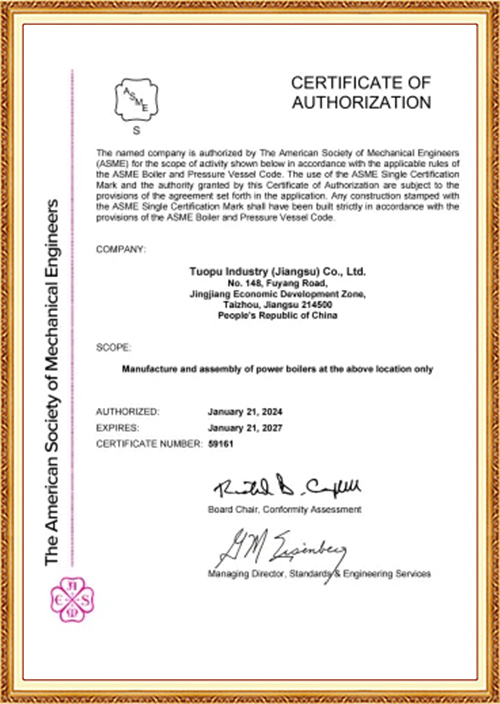
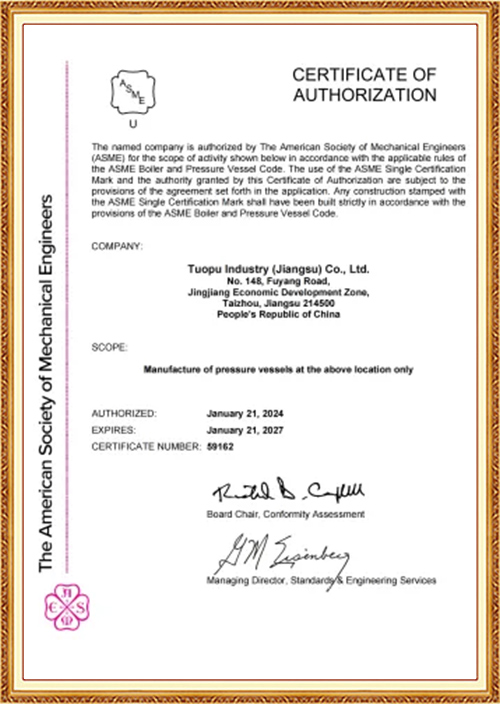
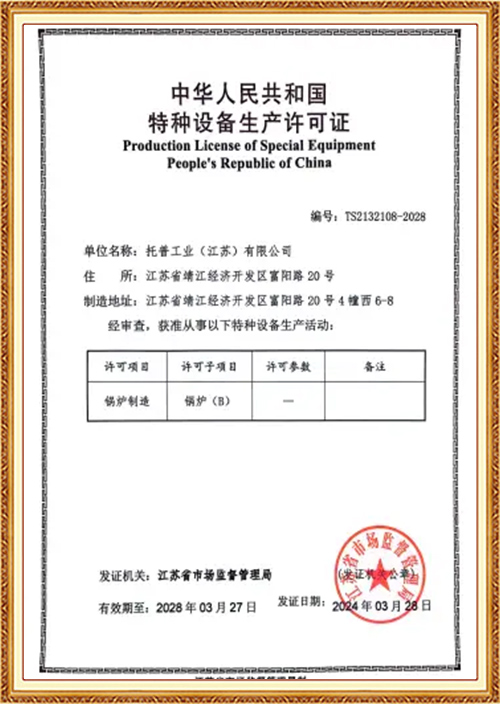
Tuopu Industry (Jiangsu) Co., Ltd. maintains core infrastructure including large-scale fired heater manufacturing bases, intelligent production sites for centrifugal casting furnace tubes, and roll-on/roll-off docks. The company holds complete qualification systems and certifications, serving as a first-level supplier for SINOPEC, PetroChina, and CNOOC, and as a qualified supplier for Sinochem Group. All cracking tubes, radiant coils, and collector products are manufactured according to strict standards to ensure reliability and safety under high-temperature, high-pressure, and long-term operating conditions.
Frequently Asked Questions (FAQ)
What is the main difference between cracking tubes and ordinary furnace tubes
Cracking tubes are specifically designed for high-temperature hydrocarbon cracking, operating at 800-900 degrees Celsius with rapid coking and decoking cycles. They use HP-Modified nickel-based alloys with high internal surface smoothness requirements to extend operational cycles.
How does radiant coil design affect ethylene yield
Radiant coil diameter, length, bend radius, and arrangement directly determine hydrocarbon residence time and heat flux distribution. Optimized design can shorten residence time and increase cracking depth, thereby improving ethylene yield by 2% to 5%.
Why should collectors use the same material as cracking tubes
Collector connections to cracking tubes endure high-temperature thermal stress. Using the same material matches thermal expansion coefficients, preventing weld joint cracking from thermal cycling and ensuring long-term sealing integrity and structural reliability.
What advantages does centrifugal casting offer over static casting
Centrifugal casting uses centrifugal force to press molten metal against mold walls, producing dense castings with refined grain structures and minimal inclusions. Mechanical properties improve by over 20%, making it ideal for high-temperature, high-pressure cracking tubes and radiant coils.
What is the typical service life of cracking tubes
Under normal operating conditions, HP-Modified cracking tubes typically last 4 to 6 years, depending on feedstock properties, operating temperature, and decoking frequency. Tuopu Industry (Jiangsu) Co., Ltd. extends service life through optimized materials and processes.
How is coke removed from radiant coils after coking
Industrial decoking primarily uses steam-air burning or steam decoking methods. Decoking cycles typically occur every 40 to 60 days, with tube temperatures controlled at 700-800 degrees Celsius and oxygen content gradually increased to burn off internal coke deposits.
What services are included in EPC contracting
Tuopu Industry (Jiangsu) Co., Ltd. EPC services cover heating furnace engineering design, core product manufacturing including cracking tubes, radiant coils, and collectors, on-site construction installation, and project management, providing customers with integrated solutions.
What role does Nb element play in cracking tube alloys
Niobium in HP-Modified alloys forms stable carbides that effectively inhibit grain boundary carbide coarsening, enhancing high-temperature creep strength and carburization resistance. It is a key alloying element for extending cracking tube service life.

 English
 русский
 فارسی
فارسی