
 English
 русский
 فارسی
The Ethylene Cracking Furnace is a high-performance industrial furnace designed for ethylene production via pyrolysis of hydrocarbons. The furnace delivers precise and uniform high-temperature heat re...
See Details Home / News / Industry News / Ethylene Cracking Furnace: Selection, Coil Life and EPC Delivery Guide
2026-10-23
Content
A cracker operator usually sees it before the maintenance planner does. Radiant section pyrometer readings drift up by 15 to 20 °C across a handful of coils, the transfer line exchanger outlet temperature climbs with them, and the decoke that was scheduled for day 70 gets pulled forward to day 45. Nothing has failed yet. The furnace is simply telling you how well the original specification matched the feedstock it actually runs.
The conclusion first: an ethylene cracking furnace is a system, not a piece of equipment. Radiant coil alloy, burner layout, heat flux profile, convection section duty, transfer line exchanger, decoke system and the interconnecting piping all determine the same two commercial numbers — ethylene yield and run length between decokes. Awarding those scopes to separate vendors who never share a heat and material balance is the most common reason a new furnace misses its nameplate.
Hydrocarbon feed is mixed with dilution steam, preheated in the convection section to roughly 500–650 °C, and then pushed through the radiant coils. Inside the fired box the mixture reaches a coil outlet temperature (COT) of about 820–870 °C in 0.1–0.35 seconds. Thermal cracking does the rest: paraffins break into ethylene, propylene, butadiene and aromatics, alongside methane and hydrogen.
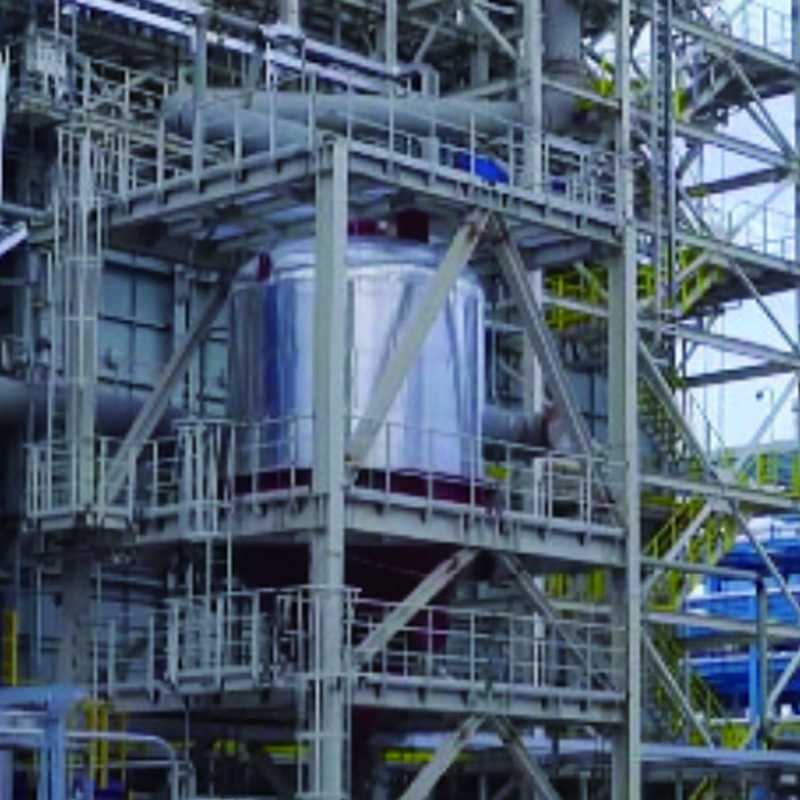 Custom Ethylene Cracking Furnace for Steam CrackingA high-temperature furnace for ethylene production via hydrocarbon pyrolysis, featuring radiant and convection sections, advanced burners, and custom engineering for continuous cracking service.View Product →
Two things happen at once, and both are commercial. Conversion rises with temperature, and so does coke deposition on the inner coil wall. Coke is a thermal insulator; as it builds, tube metal temperature has to rise to hold COT, which accelerates creep damage and eventually sets the end of the run. Steam-air decoking restores the surface, but every decoke cycle also consumes fatigue life in the coil and its outlet header.
On a typical naphtha feed, a well-run unit delivers 28–34 wt% ethylene at full conversion, with 40 to 100 days between decokes depending on feedstock quality, burner tuning and firing practice.
Most arguments about furnace performance trace back to values left vague in the inquiry. Settle these before the technical bid comparison, and the comparison becomes meaningful rather than decorative.
| Parameter | Typical window | What it decides |
|---|---|---|
| Coil outlet temperature | 820–870 °C | Conversion versus coking rate; every 10 °C is a trade |
| Residence time | 0.1–0.35 s | Longer times raise methane and coke at the same COT |
| Dilution steam ratio | 0.3–0.5 kg/kg naphtha | Hydrocarbon partial pressure, coil life, quench load |
| Radiant coil alloy | 25Cr/35Ni+Nb to 35Cr/45Ni+Nb | Creep and carburization resistance at high COT |
| Average heat flux | 60–90 kW/m² | Peak flux above roughly 110 kW/m² creates coking hot spots |
| Run length | 40–100 days | Annual production and decoke steam cost |
| Ethylene yield | 28–34 wt% | The number the project economics were built on |
These numbers move with feed. An ethane cracker runs a lower dilution steam ratio, around 0.2–0.35 kg/kg, and a shorter residence time than a naphtha unit, while heavy naphtha or gas oil needs more steam and a deeper convection section. A quotation that offers one coil design for both feeds is guessing about one of them.
The radiant coil is the most expensive consumable in the unit, and its life is consumed by four mechanisms:
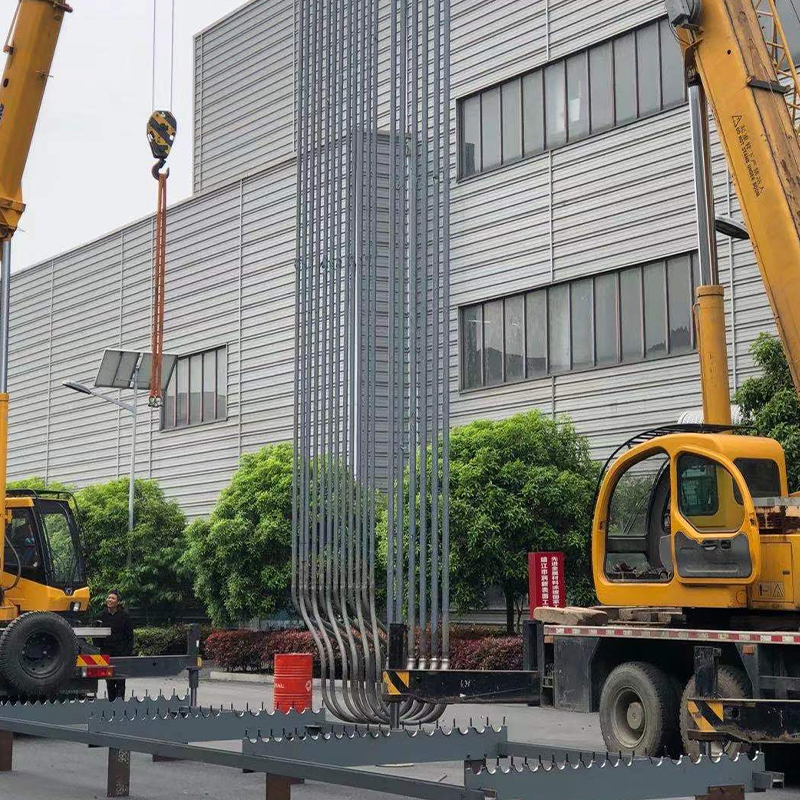 Custom Cracking Tube Radiant Coil for Cracking FurnacesA custom cracking tube series for ethylene, propylene, and hydrocarbon pyrolysis, with tailored lengths, diameters, and materials for demanding furnace service.View Product →
Alloy grade is the biggest single lever. 25Cr/35Ni with niobium is the workhorse; 35Cr/45Ni with micro-alloy additions is chosen for higher COT or longer runs. Wall thickness, ovality, cast length tolerance and repair history matter as much as the grade printed on the certificate, and they are the first things a third-party inspector should measure on delivery.
Installation damage deserves ten minutes of reading before the next turnaround, because a handling dent on a new coil becomes a hot spot within one cycle. The handling and operating precautions for radiant tubes are set out in this note on radiation tube use.
The radiant box gets the attention, but the convection section decides fuel efficiency. It recovers flue gas heat to preheat mixed feed, superheat dilution steam and raise high-pressure steam. A convection section that is too small shows up as higher specific fuel consumption; one that is oversized wastes capital and pushes the stack closer to the acid dew point.
Bottom-fired or side-fired burners, floor or wall mounted, set the flux profile. Flame impingement on a coil is not a burner tuning detail — it is a design error that appears as a localised coking band and a short tube life in exactly one row.
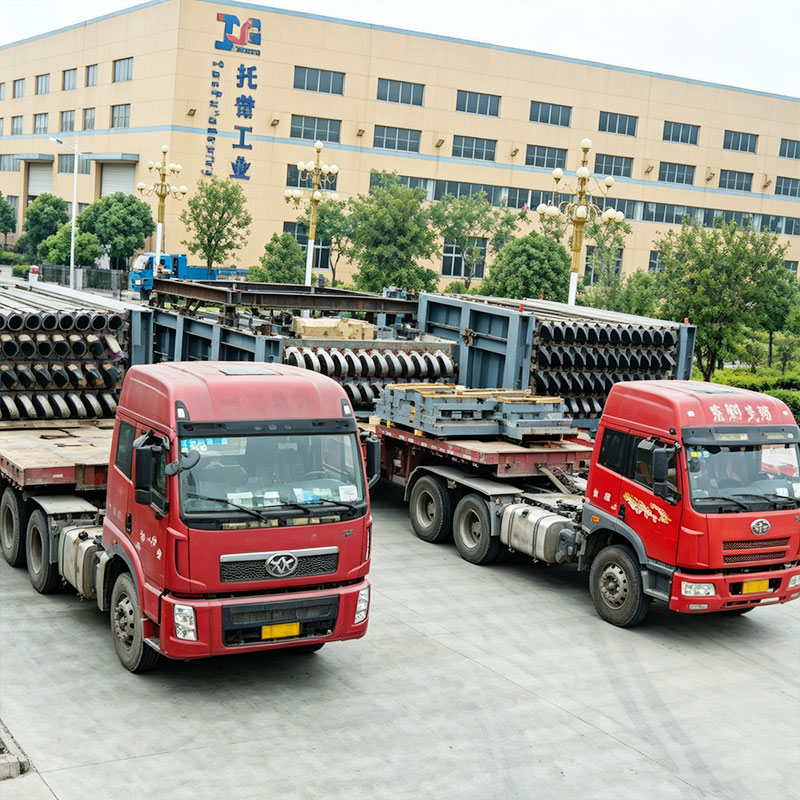 Custom Convection Section Module for Industrial FurnacesModular convection section for petrochemical and industrial furnaces, designed for heat transfer efficiency, durable alloy construction, and reduced installation downtime.View Product →
Convection section modules, manifolds, tube sheets, hangers and header boxes can all be shop-fabricated and shipped pre-assembled. The saving in site labour is real, but only when the module split is agreed with the erection contractor before shop drawings are released.
Once the thermal design is fixed, delivery risk moves to the shop floor and the quay. Four checks separate a manageable project from a late one:
A supplier with its own fabrication capacity and its own quay removes a layer of risk. A typical heavy-fabrication setup in the Chinese supply base covers 40,000 m², including a 20,000 m² workshop with 150 t lifting capacity, laser cutting, automated welding and a 3D printing centre, standing less than 200 m from a 200 m roll-on wharf with 8 m water depth and 50,000 t capacity. That combination lets a radiant section or a modular convection bank be loaded out directly rather than road-split and re-welded on site.
For naphtha service, 40 to 100 days is the realistic band. Below 40 days usually points to feed contamination, burner imbalance or a coil design mismatched to the actual feed. Ethane units often run longer, but they coke differently and can suffer COT-driven carburization instead of heavy coke build-up.
Temperature sets the reaction rate and the selectivity ceiling; residence time and the dilution steam ratio decide how much of the product degrades into methane and coke before it leaves the coil. A short, hot coil with a well-controlled steam ratio beats a long, moderately hot one almost every time.
Routinely. A 15–20% capacity increase is usually reached by re-designing the radiant coil, extending the convection section, replacing burners and, where necessary, upgrading the transfer line exchanger and quench system. The constraint is rarely the radiant box alone — it is whichever downstream item was originally sized with the least margin.
Ethylene yield and run length are decided long before the first burner is lit: in the specification, the alloy selection and the module boundaries. If you are preparing an inquiry or comparing technical bids for a cracking furnace, send the feed composition, target capacity and utility limits, and the thermal and mechanical design can be checked against real operating data. Contact the engineering team to start that review.
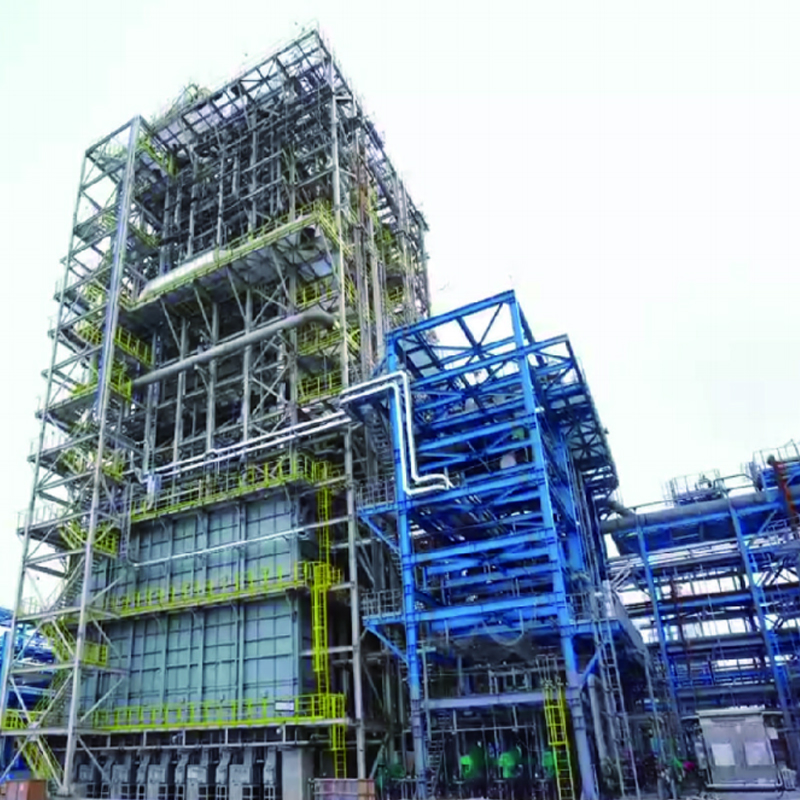
The Ethylene Cracking Furnace is a high-performance industrial furnace designed for ethylene production via pyrolysis of hydrocarbons. The furnace delivers precise and uniform high-temperature heat re...
See Details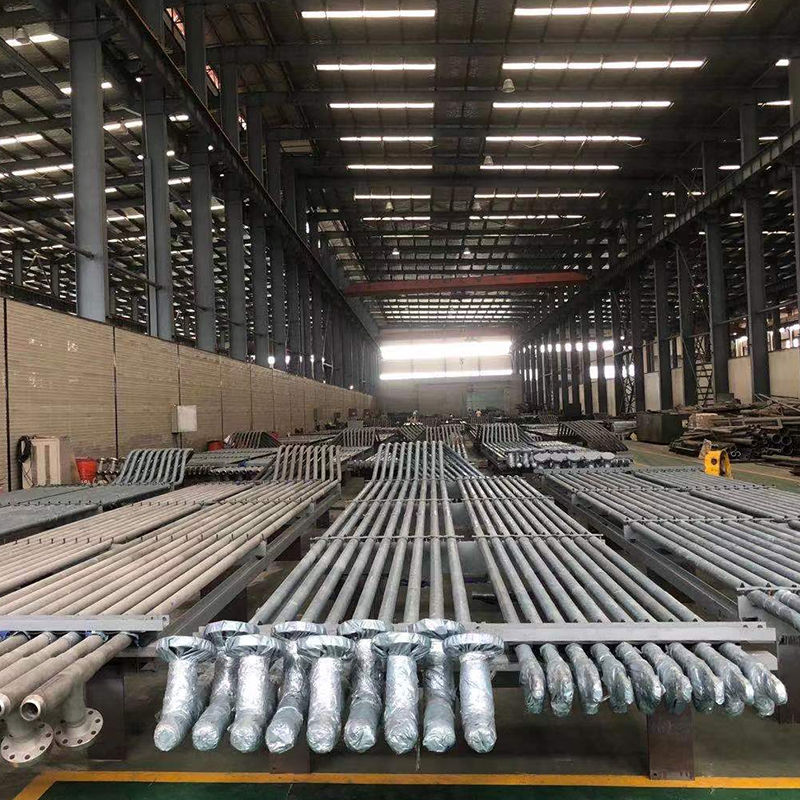
Cracking Tube Series is engineered for high-temperature cracking furnaces in the petrochemical industry, providing exceptional thermal stability, corrosion resistance, and long-term operational reliab...
See Details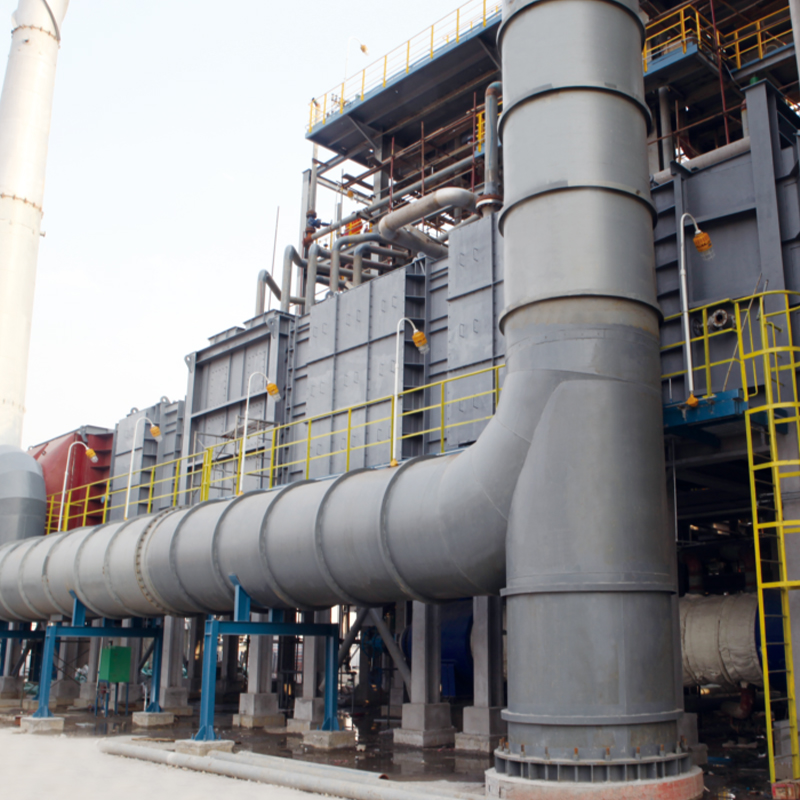
Furnace Accessories Series provides essential components that ensure the safe, efficient, and reliable operation of industrial furnaces. From burners and thermocouples to refractory supports and flue ...
See Details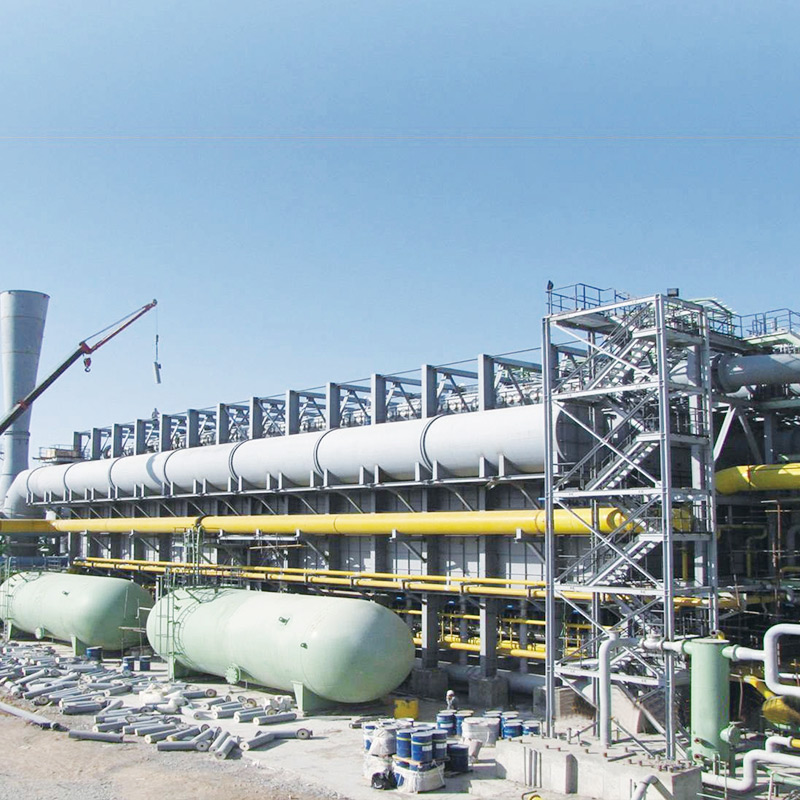
Tuopu’s DRI Furnace is a tailor-made solution designed specifically for steelmaking plants, providing reliable and efficient direct reduced iron (DRI) production. Engineered for high operational stabi...
See Details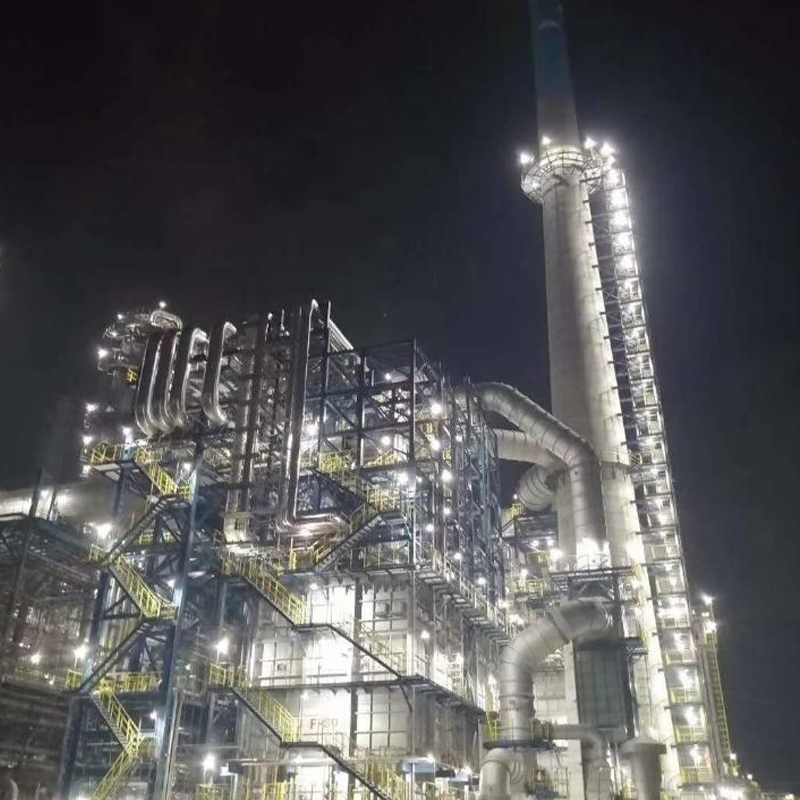
Our Fired heater for ADU and VDU is engineered for reliable and efficient heating of crude oil in both atmospheric and vacuum distillation processes. Designed for high thermal efficiency and uniform t...
See Details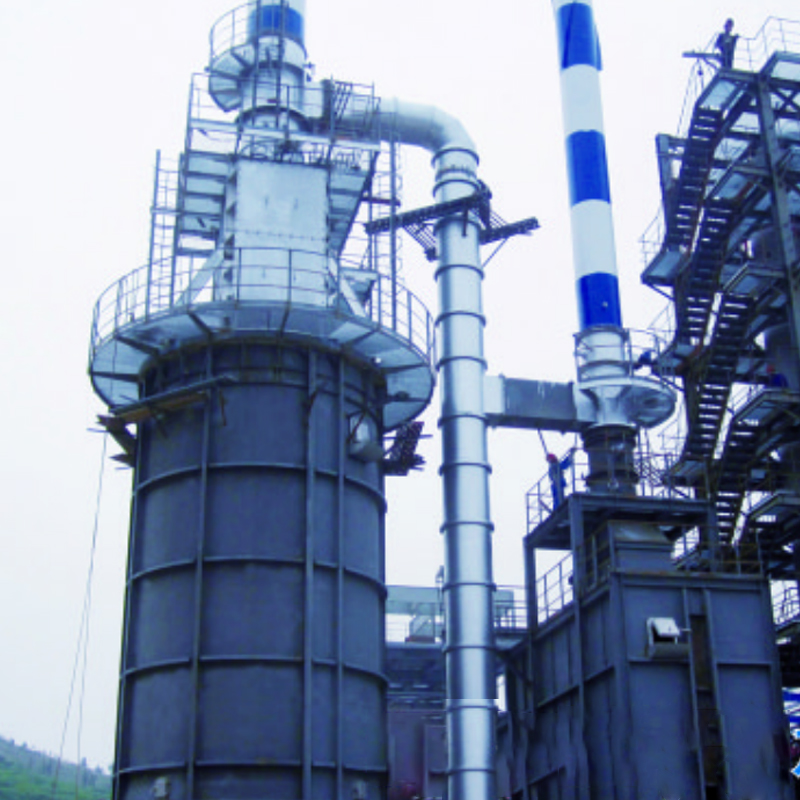
Our Hydrotreating Feed Furnace is engineered to provide precise and stable heating for feedstocks entering hydrogenation reactors. By ensuring uniform preheating and optimal temperature control, it ma...
See DetailsPhone
+86 189 5262 7611
+86-(0)523 8498 2299
Address
No.20, Fuyang Road, Jingjiang City, Jiangsu Province, China
Media