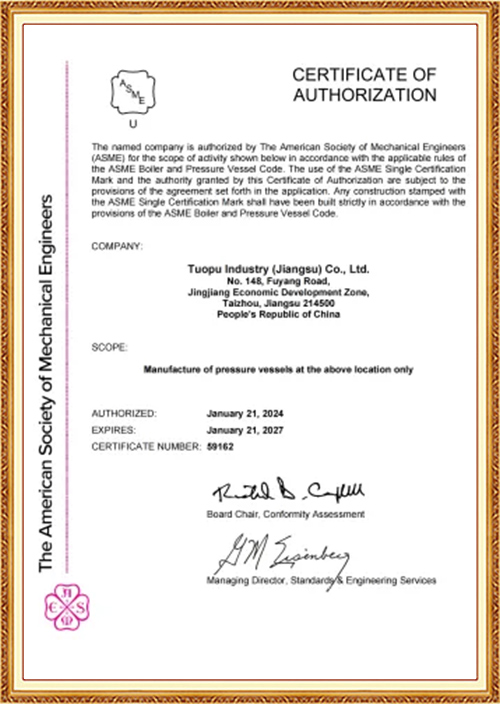
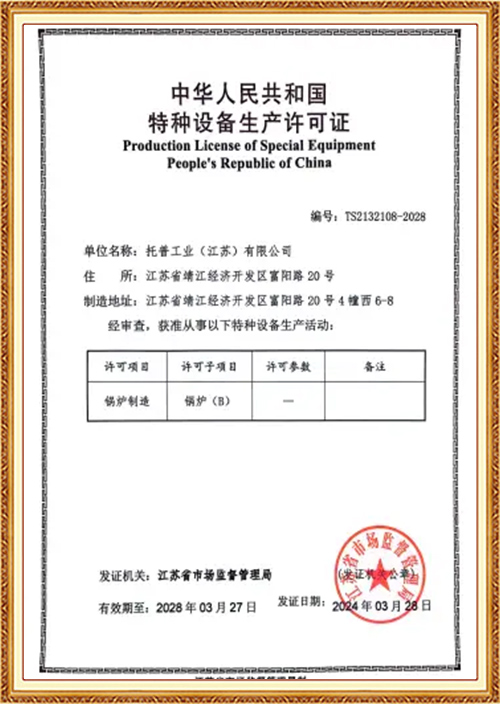
DRI Industry (Direct Reduced Iron Industry) represents a critical segment of steel metallurgy, focusing on the conversion of iron ore into high-purity metallic iron through gas-based or coal-based reduction processes at temperatures below the melting point of iron. Tuopu Industry (Jiangsu) Co., Ltd. is a professional brand of heating furnaces and centrifugal casting furnace tubes in China, serving as a first-level supplier for SINOPEC, PetroChina, and CNOOC, and a qualified supplier for Sinochem Group. The company operates a manufacturing base for large-scale fired heaters, an intelligent production site for furnace tubes, and a roll-on/roll-off dock, providing EPC contracting services for DRI Furnace and Reformer Tube Assembly for DRI.
Core Processes and Equipment Configuration in DRI Industry
Within the DRI Industry, gas-based shaft furnace processes account for approximately 75.8% of global production capacity, with MIDREX and Energiron being the two dominant technology routes. The core process flow comprises four stages: reduction, reforming, heat recovery, and briquetting. Tuopu Industry (Jiangsu) Co., Ltd. supplies DRI Furnace and Reformer Tube Assembly for DRI, which are key equipment in this process chain, directly influencing the generation efficiency of reducing gas and the conversion quality of iron ore.
The preparation of reducing gas is the central element of DRI processes. Natural gas (typically methane) is mixed with recycled furnace gas and flows through Reformer Tubes filled with nickel-based catalysts, where it undergoes reforming reactions at elevated temperatures to produce a reducing gas rich in hydrogen and carbon monoxide. Tuopu Industry (Jiangsu) Co., Ltd. manufactures Reformer Catalyst Tubes using centrifugal casting technology, capable of withstanding operating temperatures exceeding 900°C and complex thermal stress cycles, ensuring stable reducing gas composition.
| Process Type |
Reductant |
Reactor Form |
Global Capacity Share |
Typical Temperature Range |
| Gas-Based Shaft Furnace |
Natural Gas / Hydrogen |
Shaft Furnace |
75.8% |
900–1050°C |
| Coal-Based Rotary Kiln |
Non-coking Coal |
Rotary Kiln |
24% |
900–1050°C |
| Gas-Based Fluidized Bed |
Natural Gas |
Fluidized Bed Reactor |
0.2% |
Approx. 600°C |
| Rotary Hearth Furnace |
Coal / Coke |
Rotary Hearth Furnace (RHF) |
Minor Share |
1250–1350°C |
The table above clearly illustrates the distribution of major technology routes in the DRI Industry. Gas-based shaft furnace processes dominate due to their high efficiency, low emissions, and flexible product forms (cold DRI, hot DRI, and hot briquetted iron HBI). Tuopu Industry (Jiangsu) Co., Ltd. designs its DRI Furnace product line specifically for gas-based shaft furnaces and associated reforming systems, covering the complete supply chain from the reduction furnace body to reformer tube assemblies.
Technical Requirements and Manufacturing Standards for DRI Reformer Tube
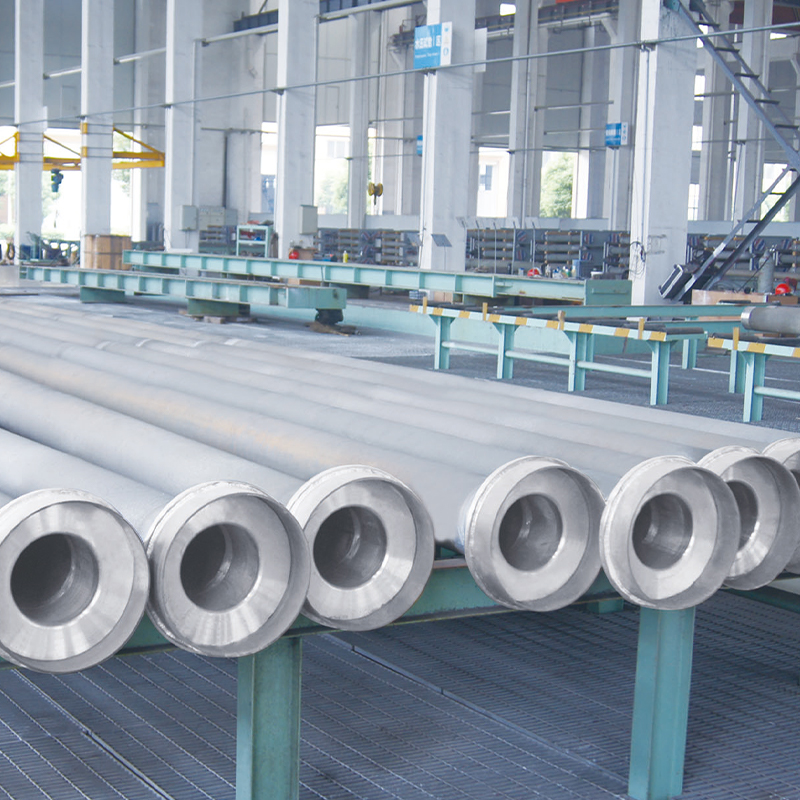
DRI Reformer Tube is the core pressure-bearing component within the reforming furnace, operating under extremely severe conditions: internal temperatures exceeding 900°C, direct radiant heating from combustion flames on the exterior, high internal gas pressure, and mechanical abrasion from catalyst beds. Tuopu Industry (Jiangsu) Co., Ltd. employs centrifugal casting technology to manufacture Reformer Catalyst Tubes, a process that ensures dense wall microstructure, refined grain structure, and significantly enhanced high-temperature creep resistance and oxidation resistance.
In terms of material selection, DRI Reformer Tubes typically utilize high nickel-chromium alloys (such as HP and HK grades), containing 25%–35% chromium and 35%–45% nickel, with additions of niobium, tungsten, titanium, and other trace elements for grain boundary strengthening. Tuopu Industry (Jiangsu) Co., Ltd. operates an intelligent production site for furnace tubes equipped with advanced centrifugal casting equipment and non-destructive testing systems, ensuring every reformer tube meets the stringent quality standards of the petrochemical industry.
Key Performance Indicators of Reformer Tubes
- Operating Temperature: Internal 900–1050°C, wall temperature up to 1100°C
- Pressure Requirements: Withstand internal reducing gas pressure and catalyst bed weight
- Material Standard: High nickel-chromium heat-resistant alloy, dense centrifugal cast structure
- Service Life: Typical operating cycle approximately 8–12 years
- Manufacturing Process: Centrifugal casting + precision machining + non-destructive testing
Failure modes of reformer tubes primarily include creep deformation, thermal fatigue cracking, carburization embrittlement, and oxide scale spalling. Tuopu Industry (Jiangsu) Co., Ltd. addresses these risks through optimized alloy composition ratios, controlled casting cooling rates, and rigorous factory inspection protocols during the design and manufacturing of Reformer Tubes. As a first-level supplier for SINOPEC, PetroChina, and CNOOC, the company's products have demonstrated long-term stable operation across multiple DRI installations.
Structural Design and Engineering Applications of DRI Furnace
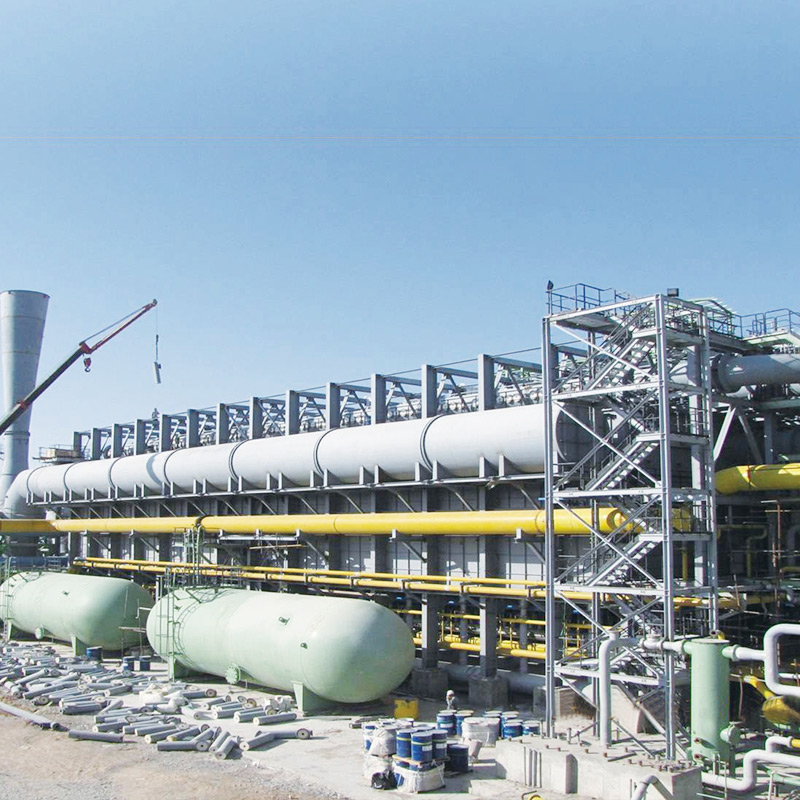
DRI Furnace is the core reactor in gas-based direct reduction processes, and its structural design directly impacts reduction efficiency, energy consumption, and product metallization rate. A typical gas-based DRI shaft furnace consists of a cylindrical vessel lined with refractory materials. Iron ore pellets or lump ore are charged from the top and descend by gravity, contacting the upward-flowing reducing gas in counter-current fashion to complete the reduction reaction. Tuopu Industry (Jiangsu) Co., Ltd. provides EPC contracting services for DRI Furnace, covering the complete workflow from engineering design and equipment manufacturing to installation, commissioning, and project management.
In engineering practice, DRI Furnace design must comprehensively consider the following factors: height-to-diameter ratio of the furnace body, uniformity of reducing gas distribution, control of burden descent velocity, and reliability of dynamic sealing systems. Tuopu Industry (Jiangsu) Co., Ltd. leverages mature engineering solutions and extensive construction project management experience to deliver heating furnace EPC services for numerous domestic and international petrochemical, coal chemical, and oil refinery installations. The product portfolio includes ethylene cracking furnaces, hydrogen generation reformers, styrene unit heating furnaces, CDU and VDU heating furnaces, four-in-one reformers, and more.
| Equipment Name |
Function |
Core Components |
Application Field |
| DRI Furnace |
Iron ore direct reduction reactor |
Shaft body, refractory lining, gas distribution system |
Gas-based DRI plants |
| Reformer Tube Assembly |
Reducing gas reforming reactor |
Reformer tubes, catalysts, tube sheet, pigtail tubes |
DRI reforming systems |
| Ethylene Cracking Furnace |
Hydrocarbon high-temperature cracking |
Cracking tubes, radiant section, convection section |
Petrochemical ethylene plants |
| Hydrogen Generation Reformer |
Natural gas steam reforming for hydrogen |
Reformer tubes, burners, waste heat recovery |
Refining / chemical hydrogen production |
| Four-in-One Reformer |
Multi-process integrated heating |
Radiant section, convection section, header pipes |
Large-scale refining-chemical integration |
The table above lists the main product lines of Tuopu Industry (Jiangsu) Co., Ltd. in the DRI Industry and related sectors. It is important to emphasize that the company only provides product models and functions explicitly listed on its website, including Reformer Tube Assembly for DRI, DRI Furnace, ethylene cracking tubes, radiant coils, convection sections, and others. All product descriptions are based on actual manufacturing capabilities and engineering experience.
Development Trends and Green Transformation in DRI Industry
The global DRI Industry is undergoing profound green transformation. Conventional natural gas-based DRI processes already exhibit significantly lower CO2 emissions than blast furnace routes, while DRI technology utilizing 100% green hydrogen as the reducing agent is regarded as the key pathway for steel industry decarbonization. Leading technology providers such as MIDREX have developed plant designs capable of flexibly switching between reductants (natural gas, hydrogen, syngas), reserving technical interfaces for future fully hydrogen-based reduction. Tuopu Industry (Jiangsu) Co., Ltd. closely monitors this trend, and its DRI Furnace and Reformer Tube Assembly designs are already capable of accommodating varying reducing gas compositions.
In terms of production scale, the design flexibility of DRI plants represents another significant advantage. Unlike the traditional blast furnace–BOF route, which requires a minimum annual output of approximately 2 million tons for economic viability, DRI plants can start from as small as 0.5 million tons per year, forming mini-mill steelworks with electric arc furnaces (EAF). This makes them particularly suitable for regions with dispersed resources or limited natural gas / hydrogen supply. Tuopu Industry (Jiangsu) Co., Ltd. offers EPC contracting capabilities covering DRI projects of various scales, from core equipment supply to complete engineering delivery, with customized solutions available.
FAQ
What materials are typically used to manufacture DRI Reformer Tubes
DRI Reformer Tubes are typically manufactured from high nickel-chromium heat-resistant alloys (such as HP and HK grades) using centrifugal casting technology, to withstand operating temperatures above 900°C and high internal gas pressure environments.
What distinguishes a DRI Furnace from conventional fired heaters
A DRI Furnace is a shaft reactor specifically designed for iron ore direct reduction. Its defining characteristics include counter-current gas-solid contact, dynamic sealing systems, and refractory lining, fundamentally differing from conventional fired heaters in process principles and structural design.
What is the typical composition of reducing gas in gas-based DRI processes
In gas-based DRI processes, reducing gas typically consists of approximately 55% hydrogen and 36% carbon monoxide, with an H2/CO ratio of about 1.5, generated through catalytic reforming of natural gas in Reformer Tubes.
What are the main product forms of DRI
DRI products are available in three main forms: cold DRI (CDRI), hot DRI (HDRI), and hot briquetted iron (HBI). HBI is produced by compressing hot DRI into high-density briquettes for safe storage and transportation.
What is the typical service life of a Reformer Tube
Under normal operating conditions, Reformer Tubes typically have a service life of approximately 8 to 12 years, depending on operating temperature, pressure fluctuations, catalyst replacement frequency, and tube material grade.
What DRI-related services does Tuopu Industry provide
Tuopu Industry (Jiangsu) Co., Ltd. provides manufacturing and supply of core equipment including DRI Furnace and Reformer Tube Assembly for DRI, as well as EPC contracting services for fired heaters covering engineering design, equipment manufacturing, installation, commissioning, and project management.
What environmental advantages does DRI process offer compared to blast furnace steelmaking
DRI processes consume approximately half the energy of blast furnace routes and generate significantly lower CO2 emissions. When utilizing 100% hydrogen as the reducing agent, near-zero carbon emissions can be achieved, representing a core technology pathway for green transformation in the steel industry.
What advantages does centrifugal casting offer for Reformer Tube manufacturing
Centrifugal casting produces Reformer Tubes with dense wall microstructure, refined grain size, and absence of shrinkage defects, significantly enhancing high-temperature creep resistance, oxidation resistance, and pressure-bearing capacity compared to static casting processes.

 English
 русский
 فارسی
فارسی