
 English
 русский
 فارسی
فارسی
The Ethylene Cracking Furnace is a high-performance industrial furnace designed for ethylene production via pyrolysis of hydrocarbons. The furnace delivers precise and uniform high-temperature heat re...
See Details Home / News / Industry News / Ethylene Cracking Furnace: Design, Tube Materials, and Operating Considerations
2026-08-21
Content
Picture the moment a hot spot appears on the radiant coil of an ethylene cracking furnace in the middle of a production run. Tube metal temperatures begin to climb faster than during the previous cycle, and the maintenance team books an unplanned decoding shutdown. At a one-million-ton-per-year ethylene plant, every lost production day can erase a meaningful share of the quarterly operating margin. That is why the ethylene cracking furnace, the core conversion unit of the entire ethylene complex, deserves as much attention during procurement as it receives during daily operation.
An ethylene cracking furnace, also called a pyrolysis furnace or steam cracker, thermally cracks hydrocarbon feedstocks such as naphtha, ethane, propane, and butane into ethylene, propylene, butadiene, and pyrolysis gasoline in the presence of dilution steam. Although it is called a furnace, the actual reaction takes place inside the radiant coil, where coil outlet temperatures reach 820 to 870 °C and tube metal temperatures often exceed 1000 °C. These conditions determine both the yield of valuable olefins and the interval between decoding stops, so the design choices made in the furnace have a direct impact on plant profitability.
For EPC contractors and plant owners, the practical purchasing question is not simply whether the furnace can heat the feed. The question is whether the selected design can hold its metallurgy, resist coking, maintain stable heat flux, and support the guaranteed service life over many operating cycles. A complete ethylene cracking furnace supply package must integrate coil geometry, burner selection, convection section surface area, and quench system design into one coherent solution that can be engineered, erected, and commissioned within the project schedule.
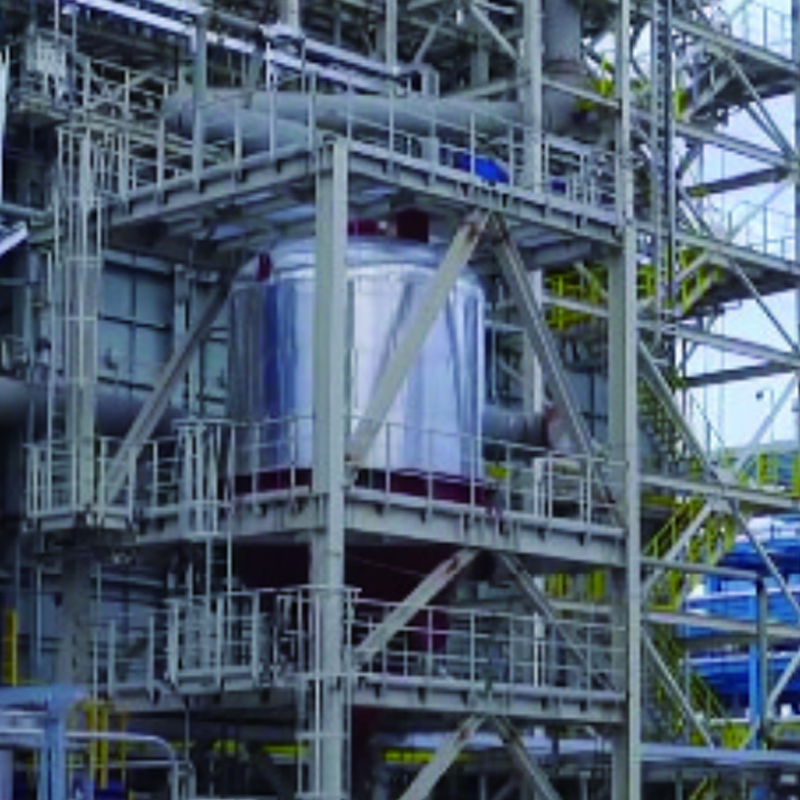 China Ethylene Cracking Furnace Manufacturer, Custom FactoryTuopu Industry is a China ethylene cracking furnace manufacturer & custom factory, we deliver full-scale EPC for ethylene cracking furnac...View Product →
The cracking reaction inside the radiant coil follows a free-radical chain mechanism. Ethylene selectivity improves when the residence time is short, the hydrocarbon partial pressure is low, and the temperature profile approaches its maximum only near the coil outlet. Modern furnaces operate with residence times of 0.1 to 0.5 seconds, depending on the coil configuration, and use steam-to-hydrocarbon ratios of roughly 0.3 to 0.8 by weight to suppress coking and limit tube metal temperature rise.
The radiant section is where cracking actually occurs. The feed first enters the convection section, where it is preheated and vaporized by hot flue gas; dilution steam is also superheated there. After leaving the radiant coil at 820 to 870 °C, the cracked gas is quenched rapidly in a transfer line exchanger (TLE) to stop secondary reactions and recover high-pressure steam, which typically drives the cracked gas compressor turbine. The furnace therefore operates as an integrated energy system rather than a simple fired heater, which is why thermal efficiency and heat recovery must be evaluated at the same time as process yield.
Industrial cracking furnaces have evolved into a few well-known coil configuration families, each optimized for a specific range of feedstocks and cracking severity. The table below summarizes the main differences.
| Configuration family | Typical residence time | Distinctive feature | Preferred feedstock |
|---|---|---|---|
| CBL type | 0.2–0.5 s | Two radiant passes; robust decoding behavior | Naphtha, gas oil |
| Short-residence-time type | 0.1–0.3 s | Vertical split coils; high cracking severity | Ethane, propane, naphtha |
| Ultra-selective type | Around 0.1 s | Compact coil; high propylene yield | Naphtha, kerosene |
| Millisecond type | Below 0.1 s | Very short residence; very high coil outlet temperature | Light feeds, ethane |
The practical difference is not limited to yield. Shorter-residence-time configurations generally require advanced tube alloys to tolerate higher outlet temperatures, which increases the initial equipment cost but can reduce coke laydown and extend the run length. The optimum choice depends on the plant's feedstock slate, the constraints of the downstream recovery section, and the value the operator places on on-stream availability.
The radiant coil is the most safety-critical component in the furnace. Most coils are produced by centrifugal casting from austenitic heat-resistant stainless steels. The classic grade, HK-40 (25Cr-20Ni), has largely been replaced in modern high-severity furnaces by HP-40 (25Cr-35Ni) and niobium-stabilized HP-40 modifications, which offer higher creep rupture strength and better resistance to carburization. Indicative 100,000-hour creep rupture strength at 1000 °C is roughly 15 to 20 MPa for HK-40, compared with 25 to 35 MPa for niobium-modified HP-40 grades. This metallurgical margin is why virtually all new cracking furnaces specify the higher-alloy material.
Carburization remains the dominant long-term degradation mechanism. Carbon from the process gas diffuses into the tube wall, precipitates chromium carbides, and makes the metal more brittle. Creep damage, thermal fatigue, and oxidation then initiate cracks that eventually force a coil replacement. For these reasons, operators and EPC buyers need a radiant coil supplier who controls alloy chemistry, casting quality, and welding procedures with documented traceability. Suppliers with dedicated cracking tube and radiant coil products can normally provide positive material identification records, dimension reports, and weld repair procedures that satisfy a project's inspection authority.
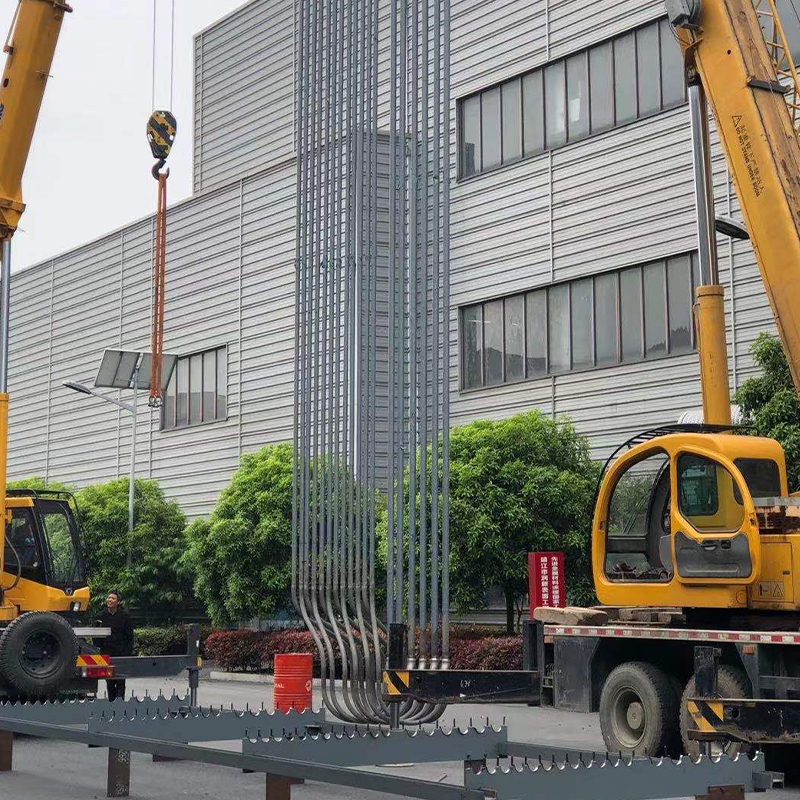 China Radiant Coil Manufacturer, Cracking Tube FactoryTuopu Industry is a China radiant coil manufacturer supplying high-performance cracking tubes and collectors direct from our factory. Hig...View Product →
Heat flux is the controlling variable for both selectivity and coil life. Average radiant-section heat flux is typically limited to 50 to 80 kW/m² for naphtha cracking, but local peaks near the burners and at the coil inlet can exceed the average by a factor of two. The chart below illustrates a typical cycle: as coke accumulates on the inner tube wall, the effective thermal resistance increases, so the tube metal temperature drifts upward to maintain the same process outlet temperature.
Illustrative tube metal temperature rise during a run cycle; the design limit forces a decoding stop.
When the tube metal temperature approaches the maximum allowable value for the selected alloy, the furnace is decoked with a steam-air mixture and returned to service. Longer runs require a more creep-resistant alloy, tighter fuel-air ratio control to level local heat flux, or a lower process severity. Recent burner design improvements and coil surface treatments can also delay coke adhesion and extend on-stream time.
An ethylene cracking furnace is one of the largest energy consumers in a petrochemical complex. Modern furnaces reach 92 to 94 percent overall thermal efficiency on a lower heating value (LHV) basis when the convection section includes feed-effluent heat recovery, combustion air preheating, and a correctly sized TLE. The donut chart below gives an indicative breakdown of the fuel heat distribution.
Indicative fuel heat distribution of a modern ethylene cracking furnace, LHV basis.
Every percentage point of avoidable flue gas loss translates into a measurable operating cost over the furnace's twenty-year life. The most cost-effective improvement is usually a deeper convection section module with finned or studded tubes to recover more sensible heat from the flue gas. Combined with combustion air preheat driven by recovered waste heat, this can bring the flue gas exit temperature down to about 100 to 120 °C and lift furnace efficiency close to 95 percent.
 China Convection Section Module Manufacturer, FactoryTuopu Industry is a China convection section module manufacturer and factory, delivering heavy-duty modular furnace convection sections t...View Product →
Because the cracking furnace connects process performance, metallurgy, and large-scale field erection, the purchase decision should never rest on the quoted price alone. Before issuing an order, verify three practical areas.
Tuopu Industry (Jiangsu) Co., Ltd. is one supplier that combines these traits. Its furnace business goes back to 1998, and its production base includes a 40,000 m² heavy-equipment center with 150-ton lifting capacity, robotic welding lines, and a dedicated ro-ro quay for oversized heater modules. The company is a listed class-one supplier to Sinopec, CNPC, and CNOOC, and delivers ethylene cracking furnaces on an EPC basis. If you are building a shortlist, a practical first step is to use the company's contact page to request the relevant project references. You can also read a technical article on fired heater selection and engineering applications in petrochemical plants, which explains how heater type, duty rating, and layout choices are made in real projects.
An ethylene cracking furnace thermally cracks hydrocarbons without a catalyst and uses a short residence time to maximize olefin yields. A steam reformer, used for hydrogen or syngas production, relies on a nickel catalyst inside alloy tubes and operates at lower outlet temperatures and higher internal pressures.
Dilution steam lowers the hydrocarbon partial pressure, which shifts the cracking equilibrium toward olefins and reduces the rate of coke deposition on the tube wall. The steam also moderates tube metal temperature rise and helps carry the cracked gas through the coil.
Typical run lengths range from 30 to 80 days for naphtha feedstock and longer for ethane, depending on coil design, heat flux, cracking severity, and feedstock quality. The run ends when the tube metal temperature reaches the design limit or the furnace can no longer hold its outlet temperature.
Many modern furnaces are designed for flexibility between ethane, LPG, and naphtha. However, coil geometry and expected run length differ by feedstock, so switching to a heavier feed typically shortens the run length and requires adjustment of the steam ratio and the coil outlet temperature.
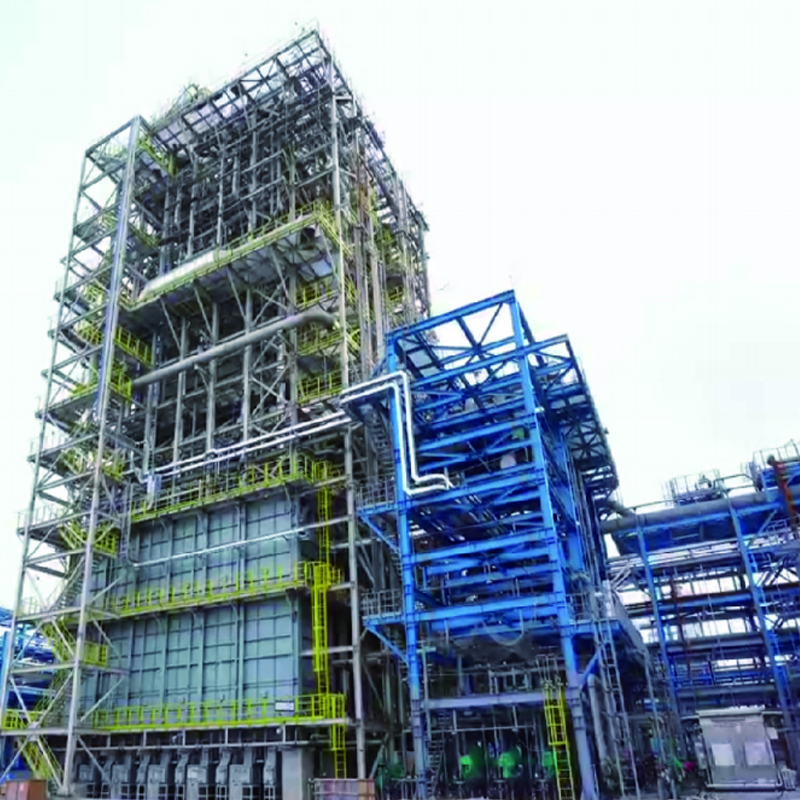
The Ethylene Cracking Furnace is a high-performance industrial furnace designed for ethylene production via pyrolysis of hydrocarbons. The furnace delivers precise and uniform high-temperature heat re...
See Details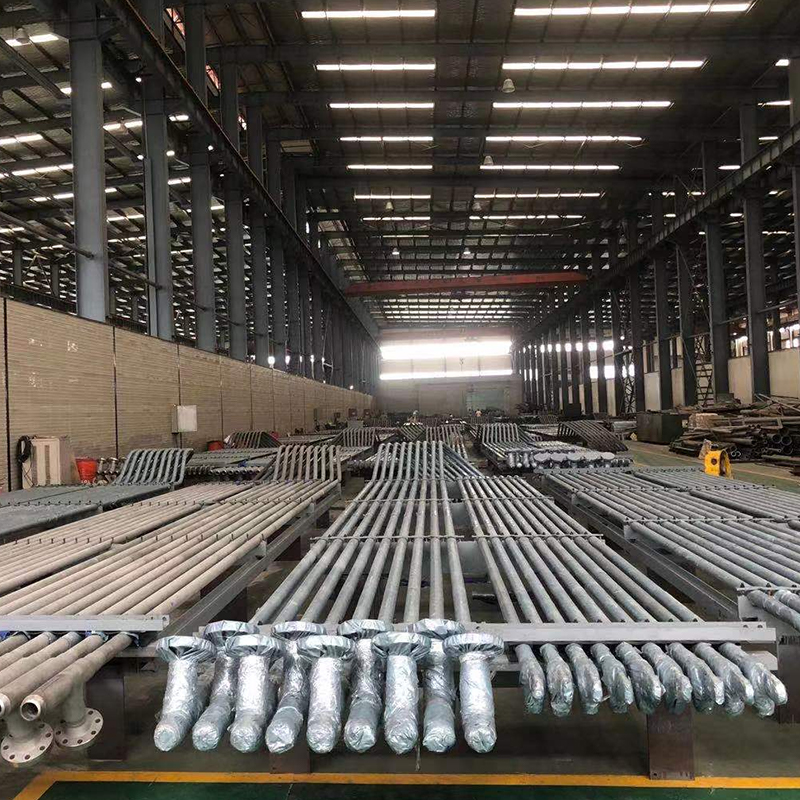
Cracking Tube Series is engineered for high-temperature cracking furnaces in the petrochemical industry, providing exceptional thermal stability, corrosion resistance, and long-term operational reliab...
See Details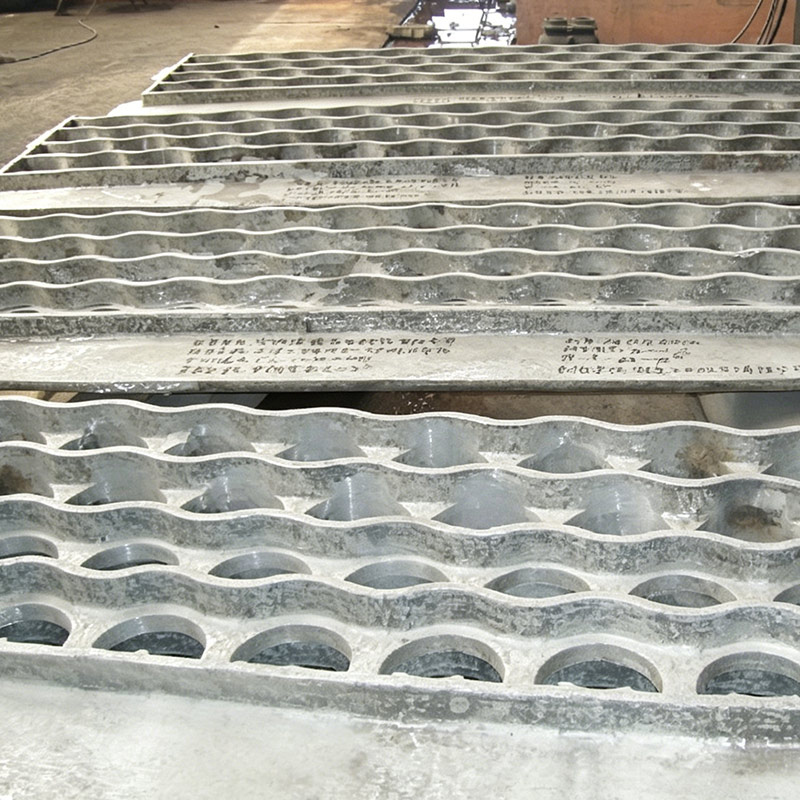
Cast tube sheets have good heat resistance and structural integrity, and are commonly used in industries such as petrochemicals, fertilizers, and power plant. It is recommended to use heat-resistant s...
See Details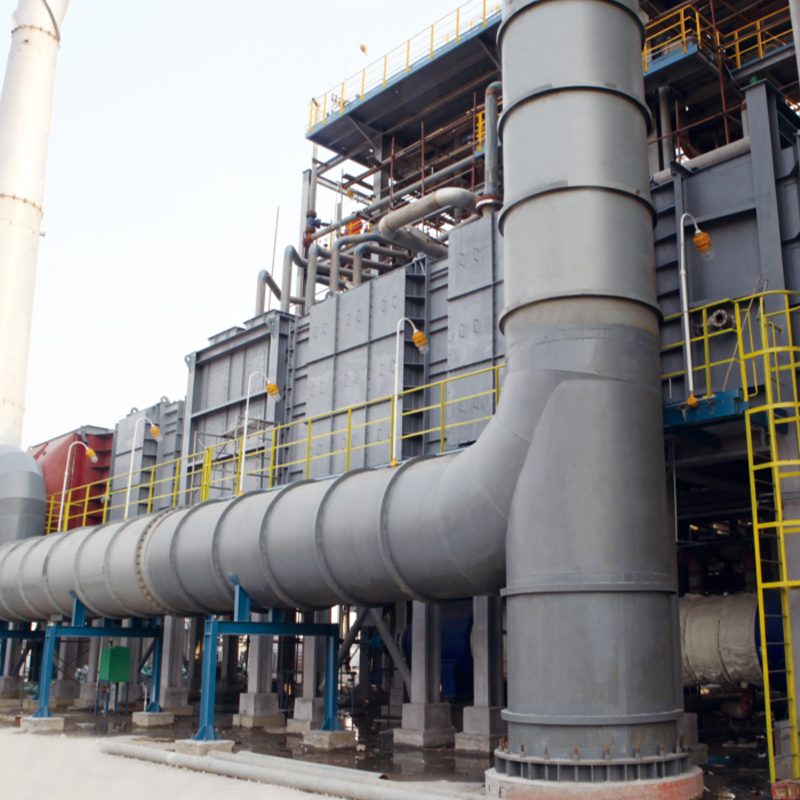
Furnace Accessories Series provides essential components that ensure the safe, efficient, and reliable operation of industrial furnaces. From burners and thermocouples to refractory supports and flue ...
See Details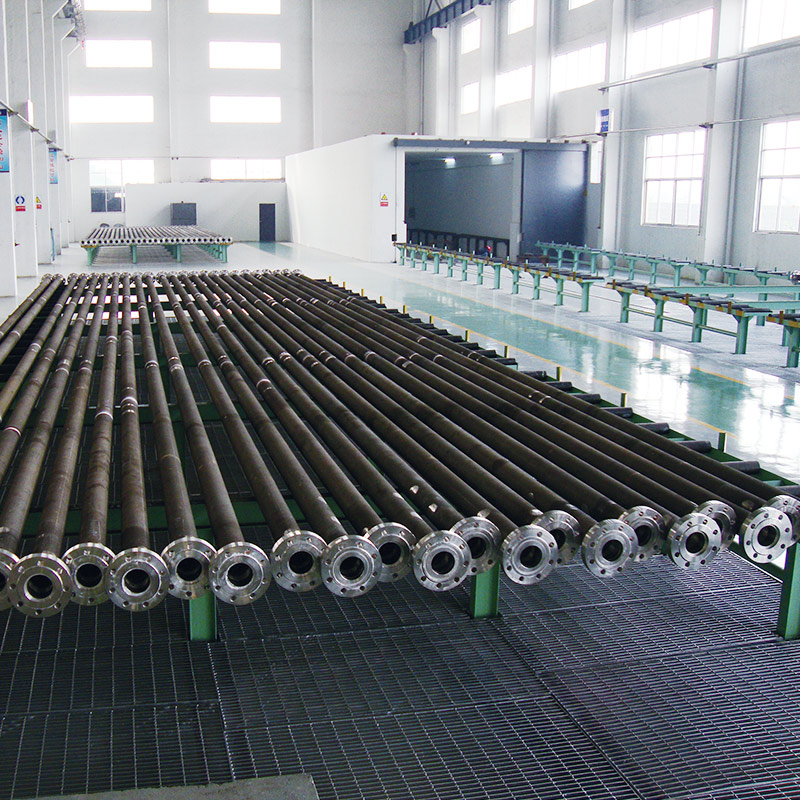
Tuopu’s Reformer Tube is designed for high-temperature chemical reactions in industrial furnaces, ensuring efficient heat transfer, structural integrity, and long-term operational stability. These tub...
See Details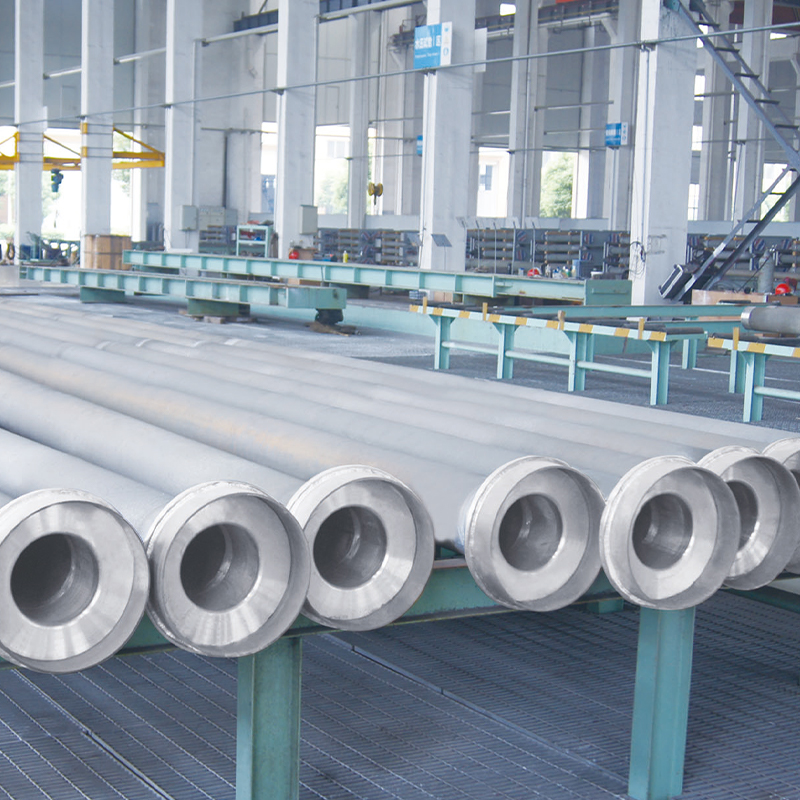
Tuopu’s DRI Furnace Tube Series is specially designed for Direct Reduced Iron (DRI) furnaces, offering superior heat resistance, mechanical strength, and long-term operational stability. Manufactured ...
See DetailsPhone
+86 189 5262 7611
+86-(0)523 8498 2299
Address
No.20, Fuyang Road, Jingjiang City, Jiangsu Province, China
Media