
 English
 русский
 فارسی
فارسی
Our Hydrogen Generation Reformer is specially designed to provide precise and reliable heating for hydrogen production processes in refineries and petrochemical plants. It ensures stable feedstock pre...
See Details Home / News / Industry News / Hydrogen Generation Reformer Tubes: Materials, Service Life & Selection Guide
2026-08-14
Content
A 60,000 Nm³/h hydrogen plant typically contains 80 to 120 reformer tubes running at wall temperatures near 900°C. If one tube fails, the furnace must usually be shut down, the catalyst unloaded, and the damaged element replaced before production restarts. In practice, one failed tube can cost more in lost output than the tube itself cost by a wide margin. This is why engineers treat reformer tube specification, material verification, and supplier selection as critical tasks rather than routine purchasing.
This guide covers how a hydrogen generation reformer tube works, which alloys dominate, why centrifugal casting is the production method of choice, how tubes fail, and what to check before placing an order.
A hydrogen generation reformer tube is a vertical, catalyst-filled pressure vessel installed in the radiant section of a steam methane reformer. Steam and natural gas enter at the top, react as they travel down through the catalyst, and leave the bottom as synthesis gas rich in hydrogen. The main reaction is endothermic: methane reacts with steam to produce carbon monoxide and three moles of hydrogen.
Three conditions define the engineering problem: the reaction absorbs heat, so the tube wall must conduct high heat fluxes into the catalyst bed; the process runs under pressure, usually 1.5 to 3.5 MPa; and tube metal temperatures reach 850 to 950°C, with transient excursions above 1000°C during upsets.
Combine internal pressure with a metal temperature near a thousand degrees, and the tube becomes a creep-limited component. Its design life is governed by the slow, time-dependent deformation of the alloy, not by corrosion margins. That is why alloy choice and casting quality determine how long the furnace can run between major repairs. For the plant-level logic behind the process, the article on the purpose of a steam reformer explains how the reformer fits into a hydrogen unit.
On the hardware side, a supplier such as Tuopu Industry delivers complete hydrogen generation reformers in which the radiant tube array, burner layout, and outlet manifolds are engineered as one integrated system.
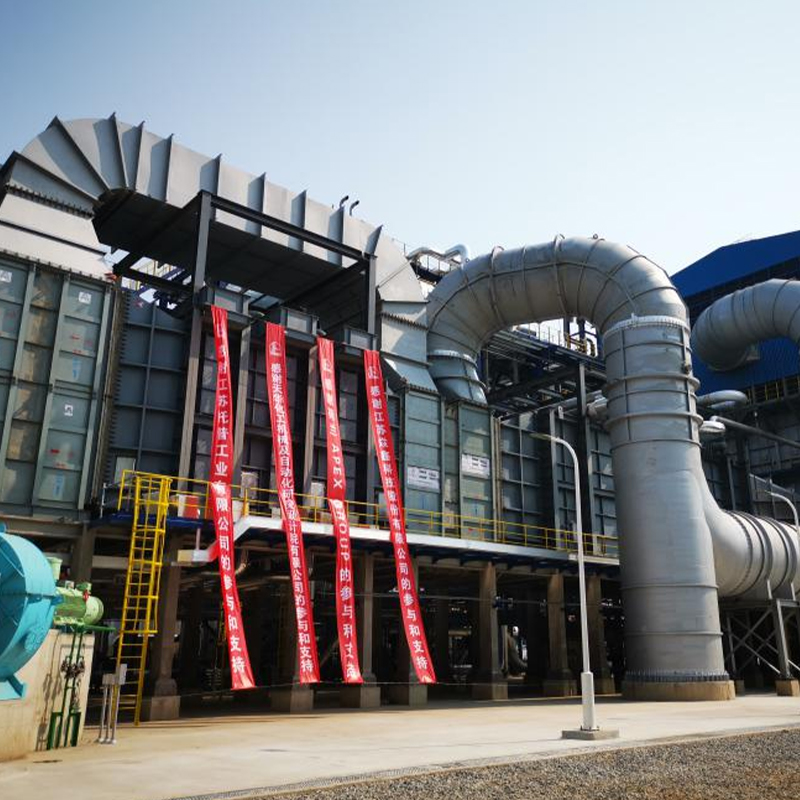 China Hydrogen Generation Reformer Manufacturer, Custom Factory - Tuopu IndustryAs top China Hydrogen Generation Reformer manufacturer and factory, Tuopu Industry providing Hydrogen Generation Reformer for global indu...View Product →
Reformer tubes are made from centrifugally cast heat-resistant stainless steels. The older HK40 (25Cr-20Ni) grade has been largely replaced by HP40Nb (25Cr-35Ni with niobium) and by newer SU 600-type micro-alloyed grades. Niobium forms fine, stable carbides in the austenitic matrix, which slows creep deformation at high temperature.
Creep strength is the single most influential design property. Above about 800°C wall temperature, even premium alloys slowly elongate. Designers use creep rupture data to set wall thickness so that the average hoop stress stays below the allowable level over a 100,000-hour design life, roughly 11.4 years. Exceeding the design temperature by only 15 to 20°C can halve the remaining life.
| Property | HK40 | HP40Nb | SU 600-type micro-alloyed |
|---|---|---|---|
| Nominal composition | 25Cr-20Ni | 25Cr-35Ni-Nb | 25Cr-35Ni-Nb plus micro-additions |
| Typical service ceiling for tube metal | around 900°C | around 950°C | around 1000°C |
| 100,000 h creep rupture strength at 950°C | lowest of the three | intermediate | highest |
| Carburization resistance | good | better | best |
| Common applications | older plants, low-duty spares | standard hydrogen reformers | high-efficiency and high-temperature units |
Choose the grade based on design temperature, feed composition, and expected thermal cycles, not on price alone. A micro-alloyed grade costs more initially but allows a thinner wall, a longer design life, or both.
Reformer tubes are produced by centrifugal casting rather than static casting because the process delivers the structure the duty demands. Molten alloy is poured into a rotating steel mould; centrifugal force spreads the metal evenly and creates a dense tube with a fine columnar grain structure oriented perpendicular to the axis, which gives the best creep resistance.
A well-executed centrifugal casting provides uniform wall thickness, high density without shrinkage cavities, columnar grains that resist creep and thermal fatigue, and a clean inner bore ready for catalyst loading.
Do not assume that all reformer tubes are identical. The difference appears in composition control, mould preparation, heat treatment, and the inspection programme. Confirm the chemical analysis, tensile results at room and elevated temperature, hardness surveys along the tube, and radiography or ultrasonic reports. These documents are the only evidence that the tube will behave as the design assumes.
Approximate 100,000-hour creep rupture strength at 950°C
Relative scale with SU 600-type set to 100. Exact values depend on heat treatment, wall thickness, and stress level.
Tuopu Industry manufactures reformer tubes in-house by centrifugal casting, so every tube leaves the plant with melt certificates, mechanical test reports, and dimensional records tied to the same heat.
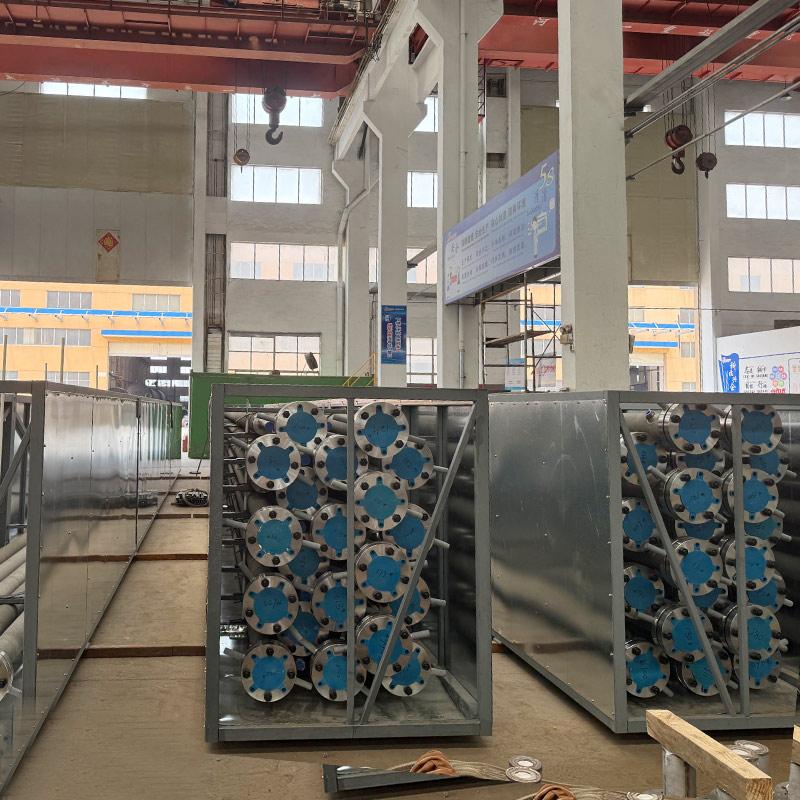 China Hydrogen Generation Reformer Tube Manufacturer, FactoryTuopu Industry is a China hydrogen generation reformer tube manufacturer. We supply high-quality catalyst tubes and reaction tubes direct...View Product →
Most reformer tube failures fall into five categories:
Typical distribution of reformer tube failure mechanisms
Percentages are indicative values based on operator experience across fired hydrogen plants; actual shares vary with furnace age and operating style.
The practical conclusion is that temperature control is the strongest lever. Infrared wall-temperature mapping reveals hot bands early, while action is still possible. Long tube life means respecting the design temperature, limiting heating and cooling rates, keeping burners aligned, and replacing catalyst before it degrades.
Reformer tube purchasing is not a commodity transaction. If the metallurgy is wrong or the documentation is incomplete, the problem often only appears in service. Work through this checklist before ordering:
The same discipline applies when buying the complete furnace. A supplier with in-house experience in both the heater and the tube metallurgy reduces interface risk. For guidance on the rest of the furnace, the fired heater selection and engineering applications article covers thermal efficiency, burner layout, and material strategy in petrochemical service.
Radiant tubes get most of the attention, but 30 to 40% of the fuel input leaves the radiant section as hot flue gas. The convection section recovers part of that heat to preheat feed, superheat steam, and warm combustion air. Every 25°C reduction in stack temperature improves total furnace efficiency by roughly one percentage point.
A modular convection section is shop-fabricated, which shortens site work and allows controlled welding and testing. Tube materials are selected for moderate metal temperatures but still need flue-gas corrosion resistance. Tuopu Industry offers convection section modules matched to the furnace envelope, simplifying procurement and site installation.
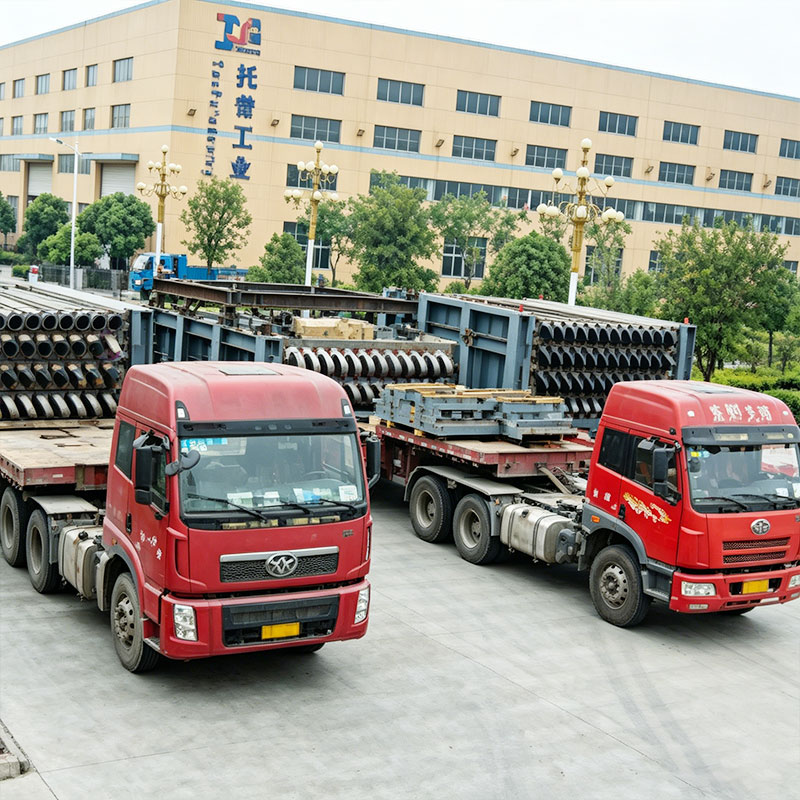 China Convection Section Module Manufacturer, FactoryTuopu Industry is a China convection section module manufacturer and factory, delivering heavy-duty modular furnace convection sections t...View Product →
Operation decides actual tube life more than any design margin. Plants with long tube campaigns follow the same basic practices:
Relative creep life versus tube metal temperature
Relative scale based on typical published creep rupture data; the exact relationship depends on alloy and stress level.
Design life is normally 100,000 hours, around 11.4 years. Actual life can be longer with careful temperature management, or shorter if the furnace experiences chronic hot spots or frequent cycling. The deciding factor is the accumulated metal-temperature history, not calendar age.
A reformer tube contains catalyst and converts hydrocarbons and steam into synthesis gas in an endothermic reaction. A cracking tube in an ethylene furnace contains no catalyst and relies on radiant heat alone to crack hydrocarbons. The different service demands require different alloy and design choices.
Minor attachment welds are acceptable, but a tube with creep cracking should not be permanently welded. Welding aged material introduces new stress concentrations and can hide deeper damage. The standard practice is to replace the damaged tube and inspect the rest of the coil.
Creep strength cannot be checked visually. The only assurance of design life is verifiable composition, mechanical test data, and NDT results from each heat. A certificate that does not match the actual casting can turn a 100,000-hour design into a much shorter service life.
Hydrogen generation reformer tubes operate at the edge of what metals can do. The main decisions are alloy grade, centrifugal casting quality, design margin, and supplier reliability. Get those four right and the furnace will run steadily for a decade or more. Skip the verification steps and you are betting the entire furnace on components that are expensive to replace.
The Tuopu Industry engineering team can review your process conditions and recommend a furnace configuration and tube grade matched to your site. Reach them through the contact page.

Our Hydrogen Generation Reformer is specially designed to provide precise and reliable heating for hydrogen production processes in refineries and petrochemical plants. It ensures stable feedstock pre...
See Details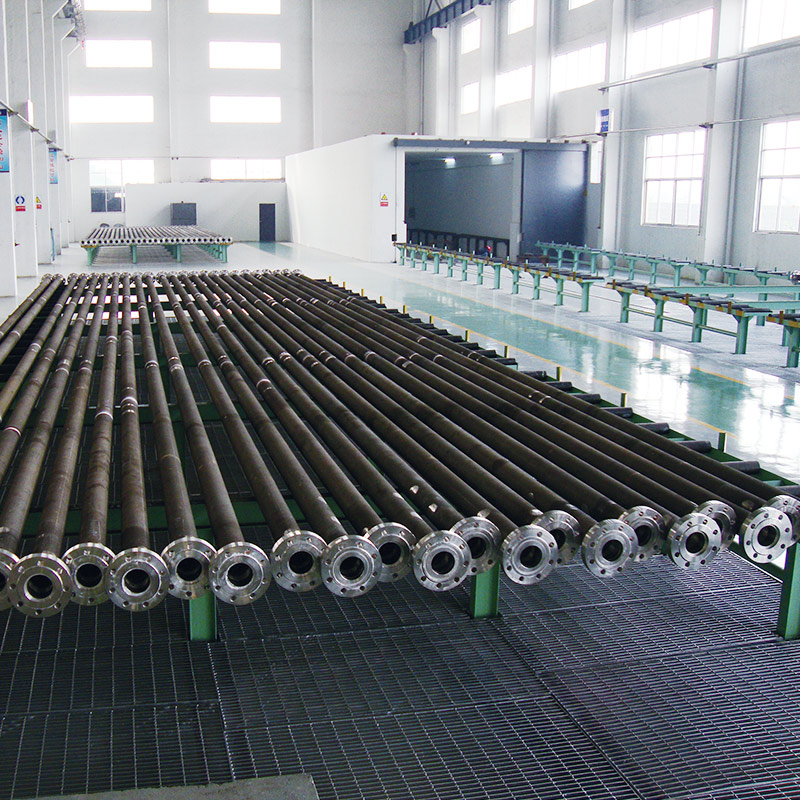
Tuopu’s Reformer Tube is designed for high-temperature chemical reactions in industrial furnaces, ensuring efficient heat transfer, structural integrity, and long-term operational stability. These tub...
See Details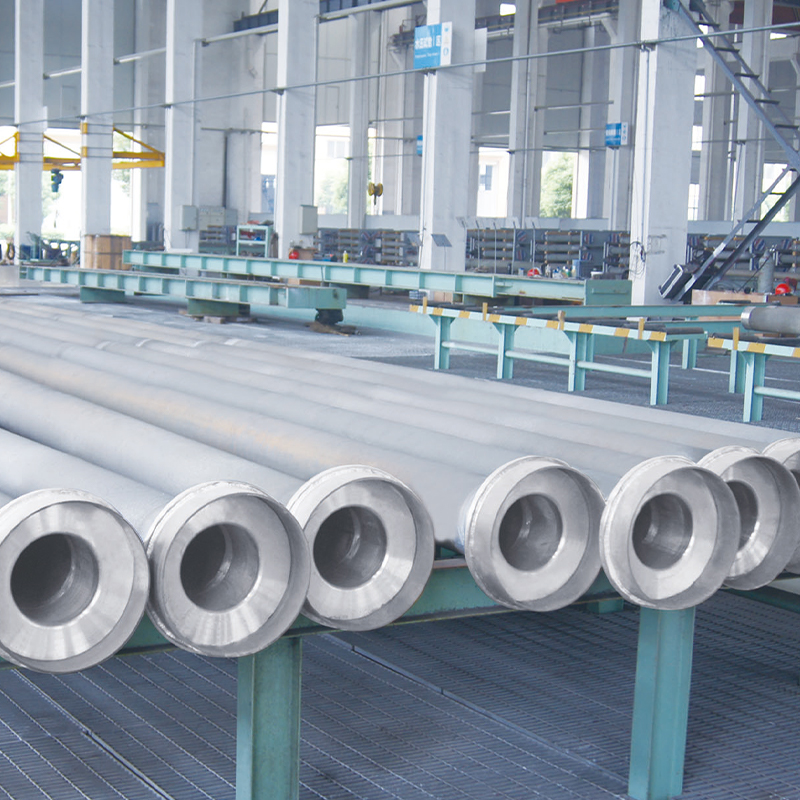
Tuopu’s DRI Furnace Tube Series is specially designed for Direct Reduced Iron (DRI) furnaces, offering superior heat resistance, mechanical strength, and long-term operational stability. Manufactured ...
See Details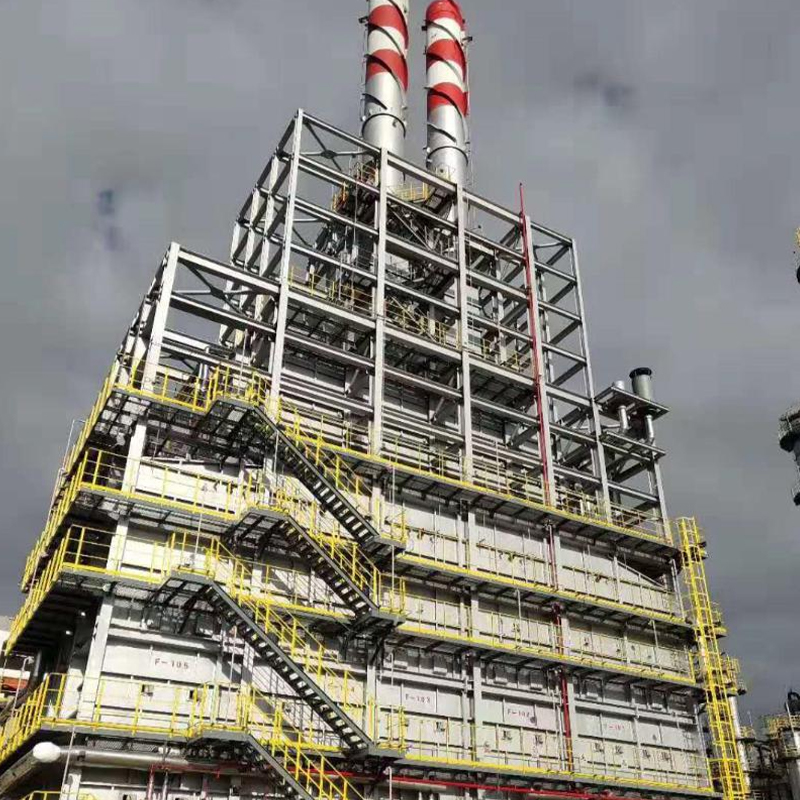
The furnace plays a critical role in maintaining high conversion rates, consistent product quality, and reliable long-term operation in petrochemical and chemical processing plants.By combining optimi...
See DetailsPhone
+86 189 5262 7611
+86-(0)523 8498 2299
Address
No.20, Fuyang Road, Jingjiang City, Jiangsu Province, China
Media