
 English
 русский
 فارسی
فارسی
Used in various olefin conversion processes, the Olefin Conversion Fired Heater provides reliable and uniform heat input required for stable chemical reactions and process control. The furnace is desi...
See Details Home / News / Industry News / Fired Heater Selection and Engineering Applications in the Petrochemical Industry
2026-07-07
Content
Fired heater selection for the petrochemical industry must center on three core dimensions: process requirements, thermal efficiency benchmarks, and safety compliance. Tuopu Industry (Jiangsu) Co., Ltd., as a first-level supplier for SINOPEC, PetroChina, and CNOOC, covers the full product range including ethylene cracking furnaces, hydrogen generation reformers, and styrene unit heaters, with full EPC contracting capability from process package design to plant startup. Modern petrochemical fired heaters achieve thermal efficiency exceeding 85% through optimized heat load distribution between radiant and convection sections, high-efficiency burners, and waste heat recovery systems.
Petrochemical fired heaters are classified into multiple structural forms based on process requirements. Tuopu Industry performs customized design according to the specifications of different process licensors. The main types include box-type furnaces, cylindrical furnaces, and vertical furnaces.
In box-type heaters, process fluids in radiant section tubes absorb heat primarily through direct radiation from flames, while the convection section transfers heat via flue gas convection. Cylindrical furnaces typically feature vertically arranged radiant tubes, with some models adopting helical coil designs suitable for space-constrained installations. Vertical furnaces optimize the ratio of furnace height to diameter, achieving large radiant heat transfer areas within limited ground space.
From the combustion air supply perspective, engineering designs encompass four modes: natural draft, forced draft, induced draft, and balanced draft. Forced draft uses fans to increase air velocity and improve fuel-air mixing. Natural draft relies on the density difference between gases inside and outside the chimney to generate suction. Balanced draft employs both forced and induced draft fans for precise combustion control. Tuopu Industry selects the optimal ventilation scheme based on project site conditions, altitude, climate, and fuel characteristics.
Tuopu Industry covers the full industrial chain of fired heaters for the petrochemical industry, with all products independently manufactured based on practical engineering experience. The following table lists the major product categories actually supplied by the company:
| Product Category | Core Function | Typical Application |
| Ethylene Cracking Furnace | Cracks naphtha, ethane, and other feedstocks at 750-850C to produce ethylene and propylene | Olefin production units |
| Hydrogen Generation Reformer | Provides thermal energy up to 1000C for natural gas or hydrocarbon steam reforming reactions | Refinery hydrogen supply units |
| Styrene Unit Heater | Delivers stable heat source for ethylbenzene dehydrogenation to styrene process | Styrene production facilities |
| CDU and VDU Heater | Provides initial thermal energy for crude oil distillation to separate various fractions | Refinery CDU/VDU units |
| Four-in-One Reformer | Integrates multiple reaction functions to optimize thermal efficiency and spatial layout | Coal chemical and syngas plants |
| DRI Reformer Tube Assembly | Supplies high-temperature resistant reaction tube assemblies for direct reduced iron process | Steelmaking DRI installations |
| Ethylene Cracking Tube | Centrifugally cast high-temperature alloy tubes that withstand extreme thermal cycling | Radiant section of ethylene cracking furnaces |
| Radiant Coil | Optimizes radiant heat transfer efficiency and distributes thermal load uniformly | Radiant sections of various fired heaters |
| Convection Section Module | Recovers waste heat from flue gas to improve overall thermal efficiency | Tail-end waste heat recovery of fired heaters |
Ethylene cracking furnace represents one of the most technically complex types of fired heater in the petrochemical industry. Tuopu Industry possesses deep expertise in the design and manufacturing of ethylene cracking furnaces, offering clients full-process EPC services from process package design to plant startup.
The design core of ethylene cracking furnace lies in the selection and arrangement of radiant section coils. Tuopu Industry employs centrifugally cast high-temperature alloy tubes as the core material for the radiant section, which maintains excellent creep resistance and oxidation resistance at operating temperatures of 750-850C. The company has completed multiple EPC projects for ethylene cracking furnaces, accumulating substantial engineering implementation experience.
Key Design Differences: Ethylene cracking furnaces must heat feedstock to 750-850C within an extremely short residence time and rapidly quench the reaction. Therefore, the radiant section adopts small-diameter, short-residence-time coil designs with extremely high requirements for heat flux distribution uniformity. Conventional fired heaters focus on steady-state heat transfer with relatively relaxed tube diameter and flow velocity designs.
Small-scale petrochemical plants face multiple challenges in fired heater selection, including space constraints, heat load fluctuations, and fuel adaptability. Cylindrical and vertical furnaces serve as compact solutions with significant advantages in small installations.
Cylindrical furnaces adopt vertically arranged radiant tubes, occupying minimal floor area with compact structure, making them ideal for revamp projects with limited space. Vertical furnaces optimize the ratio of furnace height to diameter, achieving large radiant heat transfer areas within limited ground space. Tuopu Industry conducts comprehensive evaluations based on project altitude, climate conditions, and fuel characteristics to recommend optimal furnace configurations for small plants.
| Evaluation Dimension | Cylindrical Furnace Advantages | Vertical Furnace Advantages |
| Space Occupancy | Small footprint, suitable for revamp projects | High vertical space utilization |
| Heat Load Range | Medium heat load with stable operation | Wide heat load adjustment range |
| Installation Cost | High modularity, short installation cycle | Simple foundation, low civil cost |
| Maintenance Accessibility | Convenient radiant tube replacement | Ample convection section inspection space |
High-temperature petrochemical process heater selection focuses on radiant section design, burner configuration, and thermal efficiency optimization. Tuopu Industry utilizes computational fluid dynamics simulation during the design phase to optimize flame patterns, preventing localized overheating caused by flame impingement on furnace tubes while simultaneously reducing nitrogen oxide emissions.
The radiant section serves as the core heat transfer area of a fired heater, and its design directly determines plant thermal efficiency and operational safety. By optimizing heat load distribution between radiant and convection sections, modern petrochemical fired heaters can achieve thermal efficiency exceeding 85%. Tuopu Industry adopts high-efficiency burners and waste heat recovery systems to maximize energy utilization efficiency while ensuring process requirements.
Petrochemical fired heater tube protection schemes are primarily divided into refractory lining design and bare tube design, each with applicable scenarios and maintenance characteristics.
Refractory lining design reduces radiant section heat loss and protects furnace tubes from direct high-temperature flue gas erosion by applying refractory materials outside the tubes. This scheme is suitable for high-temperature radiant sections operating above 900C, but requires regular inspection of lining integrity to prevent localized tube overheating caused by lining detachment. Bare tube design eliminates refractory lining, exposing tubes directly to furnace radiation, facilitating daily inspection and online monitoring with more convenient maintenance access.
| Comparison Dimension | Refractory Lining Design | Bare Tube Design |
| Applicable Temperature | Above 900C high-temperature radiant sections | Medium and low-temperature radiant and convection sections |
| Thermal Efficiency Impact | Reduces furnace radiation loss by approximately 3-5% | Relatively higher furnace heat dissipation loss |
| Maintenance Requirements | Requires periodic lining integrity inspection | Facilitates visual inspection and online monitoring |
| Initial Investment | Higher material and construction costs | Simple structure, lower initial investment |
| Service Life | Lining requires periodic replacement | Tube life depends on material and operating conditions |
Safe operation of petrochemical fired heaters is of paramount importance. Tuopu Industry strictly adheres to API 560 and other international standards during project execution, ensuring that equipment design, material selection, manufacturing inspection, and installation commissioning comply with regulatory requirements.
Key safety measures include: Burner Management System and Safety Instrumented System interlock protection to prevent fuel accumulation in the firebox; furnace tube coking monitoring and online decoking technology to avoid heat transfer degradation and tube wall overheating caused by internal carbon deposits; multi-point temperature monitoring and flame detection systems for real-time furnace condition surveillance; regular inspection and replacement of refractory materials and insulation layers to ensure structural integrity of the furnace body.
Predictive Maintenance Recommendation: Tuopu Industry recommends condition-based predictive maintenance, identifying potential failures in advance by monitoring parameters such as tube wall temperature, flue gas composition, and fuel consumption rate, thereby reducing unplanned downtime.
Tuopu Industry covers the full industrial chain of fired heaters for the petrochemical industry. The following showcase presents the company's core product series, covering key process segments including ethylene cracking, styrene production, and olefin conversion.
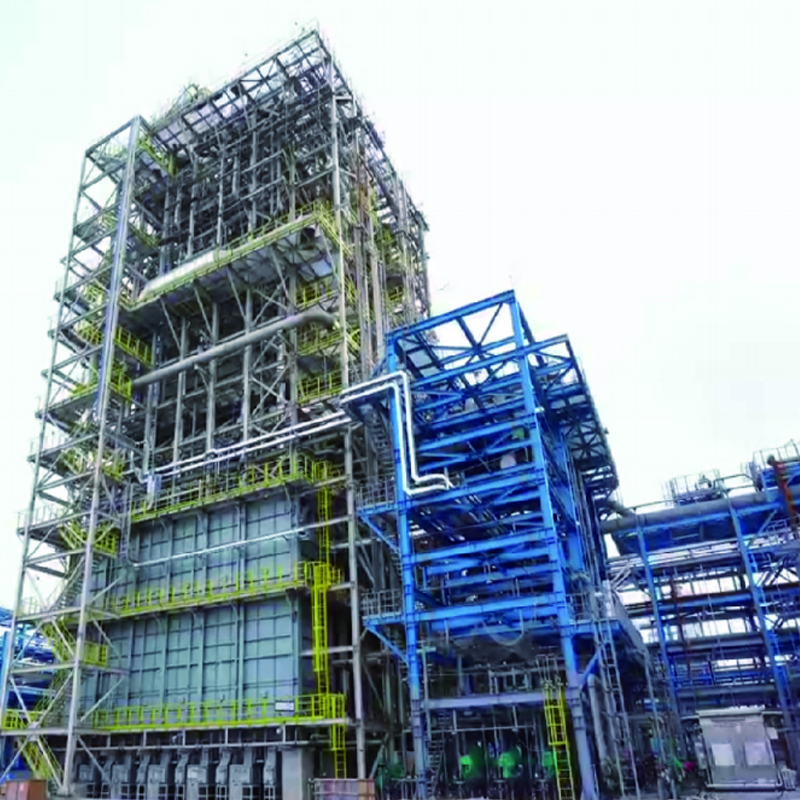
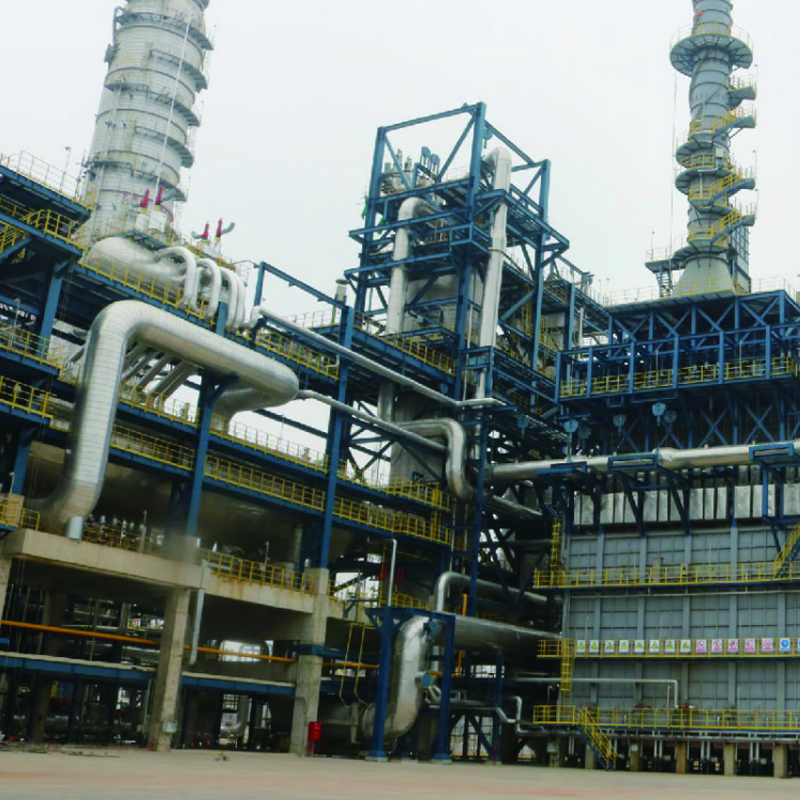
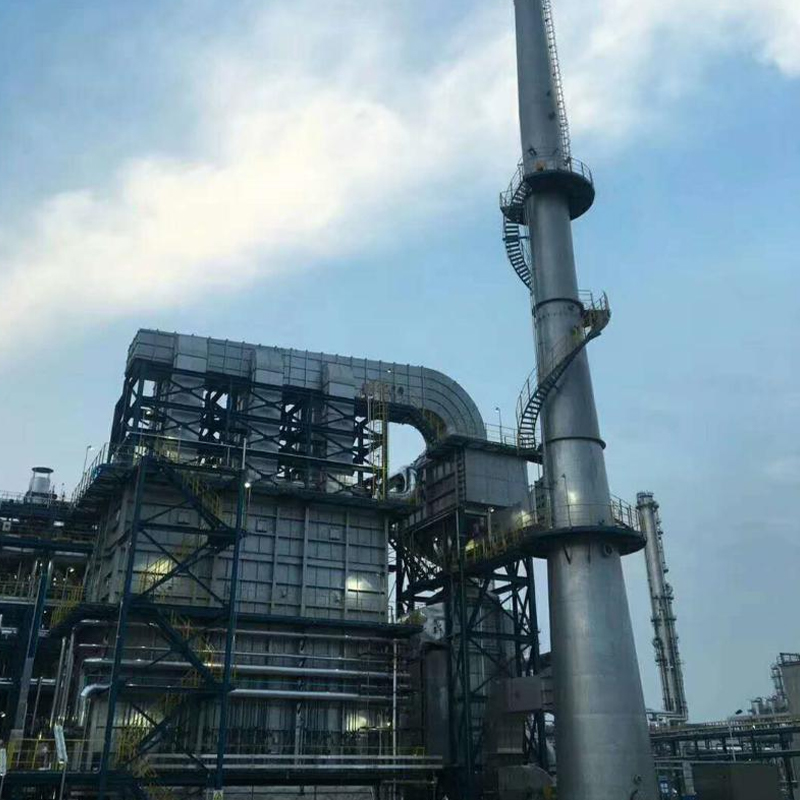
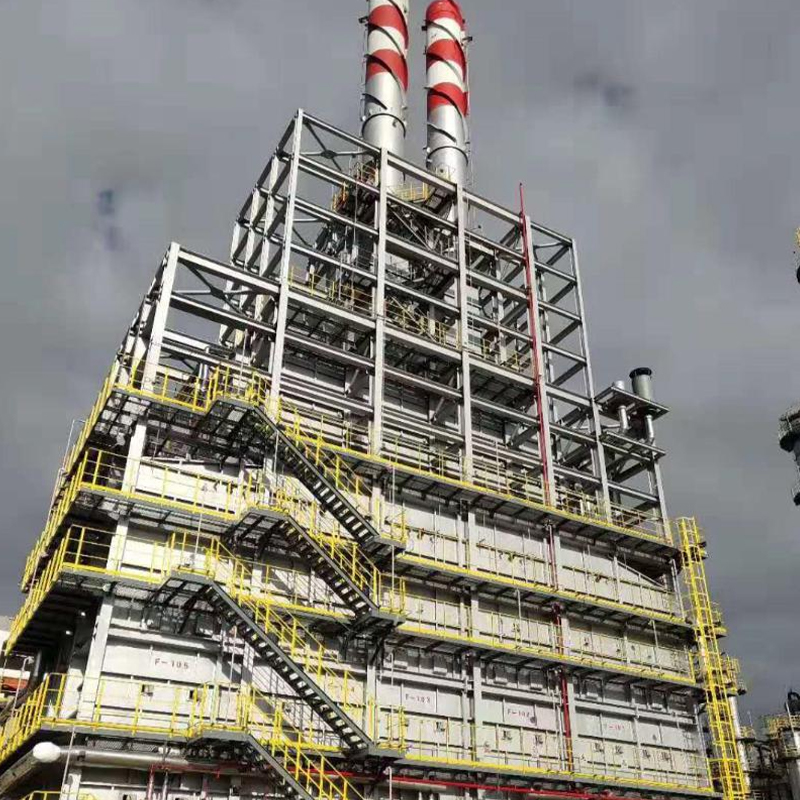
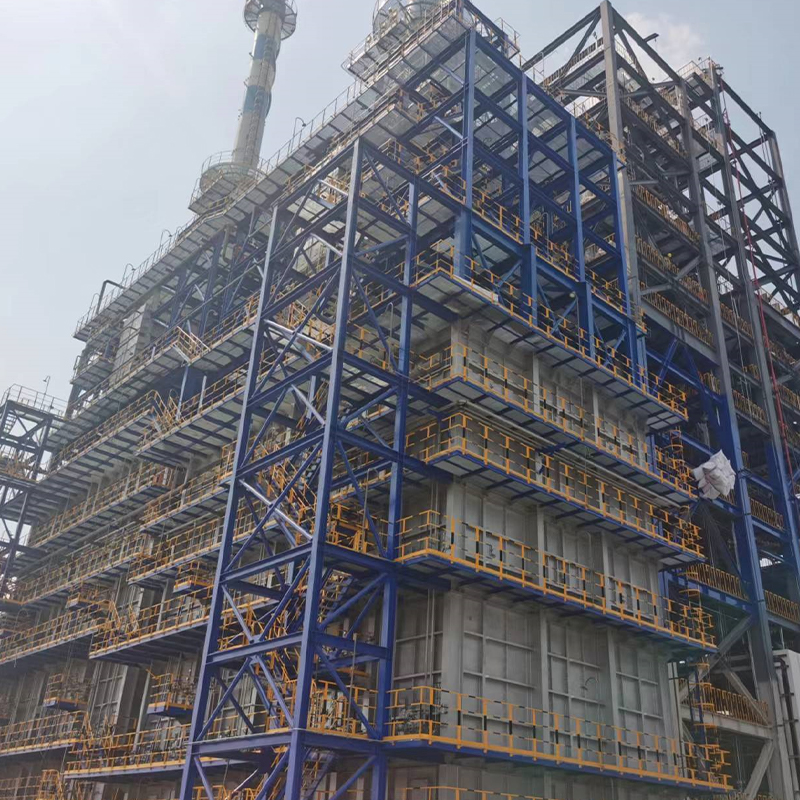
Fired heaters for the petrochemical industry serve as the thermal heart of petrochemical installations, with design quality directly impacting plant operational efficiency, safety, and economics. Tuopu Industry (Jiangsu) Co., Ltd., backed by first-level supplier qualifications, a complete manufacturing base, and extensive EPC project experience, provides global customers with comprehensive solutions ranging from fired heater engineering design to equipment manufacturing and site construction. Whether for ethylene cracking furnaces, hydrogen generation reformers, or CDU and VDU heaters, Tuopu Industry delivers customized products and services meeting international standards.

Used in various olefin conversion processes, the Olefin Conversion Fired Heater provides reliable and uniform heat input required for stable chemical reactions and process control. The furnace is desi...
See Details
The Propane Dehydrogenation Furnace (PDH Furnace) is specifically engineered to provide stable, high-temperature heat for propane dehydrogenation processes in petrochemical plants. The furnace ensures...
See Details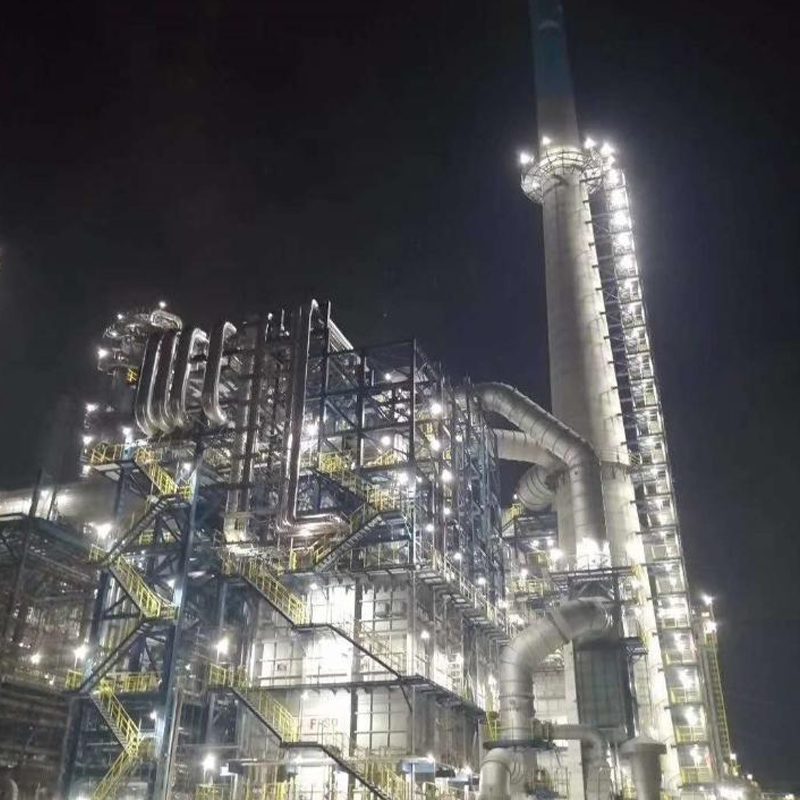
Our Fired heater for ADU and VDU is engineered for reliable and efficient heating of crude oil in both atmospheric and vacuum distillation processes. Designed for high thermal efficiency and uniform t...
See Details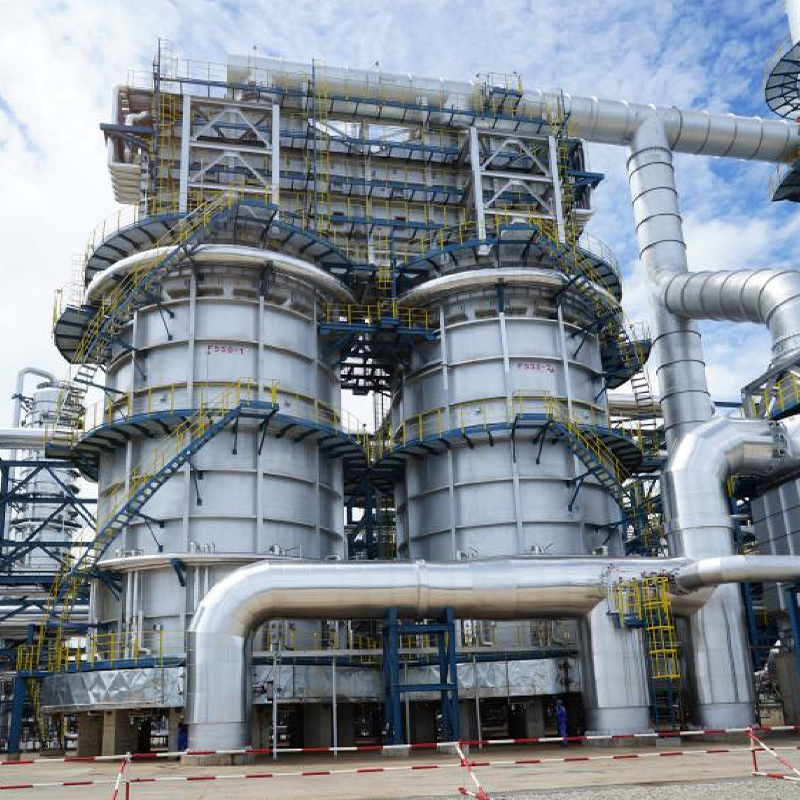
Our Hydrocracking Fired Heater is engineered for high-performance heating in hydrocracking units, a critical process in modern petroleum refining. It provides precise temperature control and uniform h...
See Details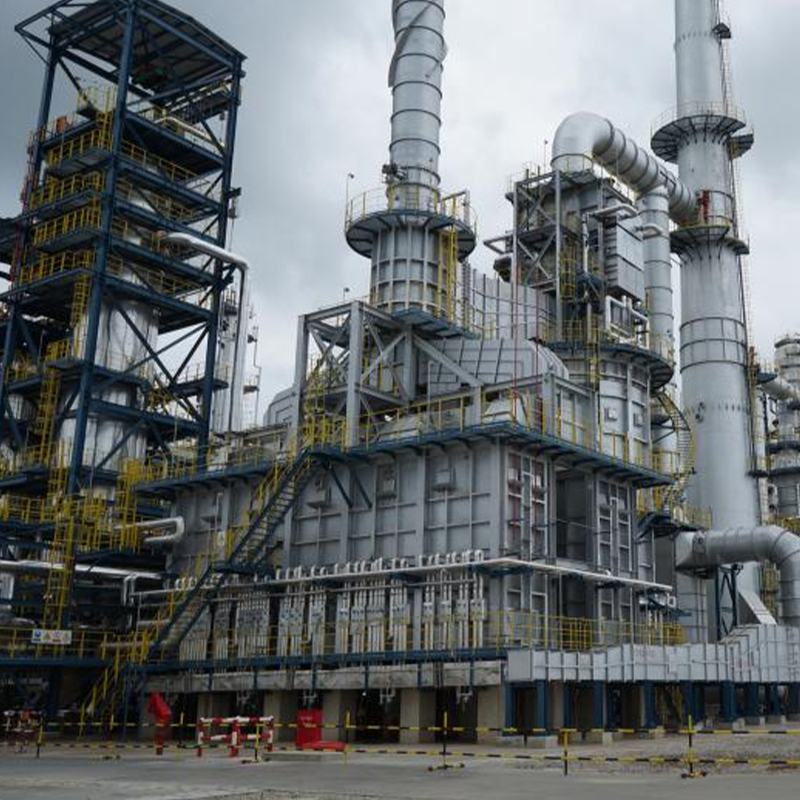
Our Diesel Hydrotreating Fired Heater is specifically engineered for high-efficiency heating in diesel hydrofining processes. It ensures precise temperature control and uniform heat distribution, enab...
See Details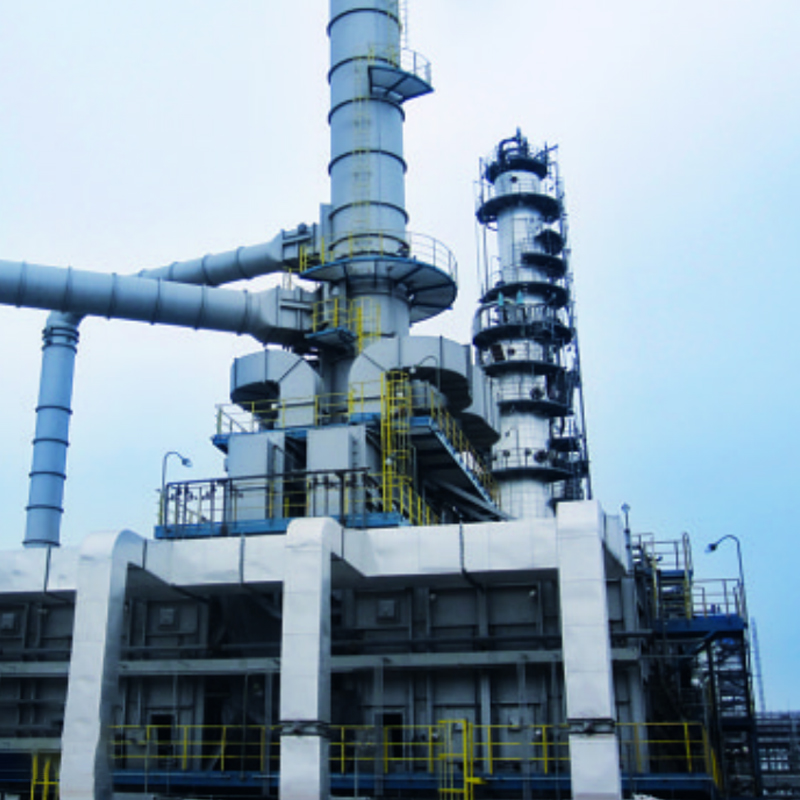
Our Heater for Visbreaking Unit is designed for efficient heating of heavy hydrocarbon feedstocks in viscosity reduction and cracking processes. By providing uniform, high-temperature heating, it ensu...
See DetailsPhone
+86 189 5262 7611
+86-(0)523 8498 2299
Address
No.20, Fuyang Road, Jingjiang City, Jiangsu Province, China
Media