
 English
 русский
 فارسی
فارسی
Cracking Tube Series is engineered for high-temperature cracking furnaces in the petrochemical industry, providing exceptional thermal stability, corrosion resistance, and long-term operational reliab...
See Details Home / News / Industry News / Cracking Tubes in Pyrolysis Furnaces: Materials, Failure Modes, Buying Tips
2026-08-28
Content
A common complaint on ethylene unit shifts is the same: the furnace fires harder every week, the coil outlet temperature drifts, and the radiation pyrometer shows bright spots on one coil leg. The usual culprit is the cracking tube, not the burner. Understanding why cracking tubes degrade, what materials perform best, and how to specify quality tubes is the fastest way to protect furnace availability.
A cracking tube is the reaction tube inside a steam cracking furnace. Hydrocarbon feed—ethane, propane, naphtha, or gas oil—is mixed with dilution steam and passes through the tube while external burners heat it. The process gas reaches 750–950 °C for a short residence time, usually 0.1–0.5 seconds, and the heat breaks down larger molecules into ethylene, propylene, and other olefins.
The tube must do several jobs at once. It contains a high-pressure hot gas, transfers radiant heat into the process stream, resists carburization from the carbon and coke layer, and supports its own weight at temperatures above 1000 °C in localized spots. Consequently, most cracking tubes are centrifugally cast high-alloy steel. The most common families are 25Cr-35Ni-Nb and modified HP45 grades, with microalloy additions designed to improve creep strength and carburization resistance.
The operating life of a cracking tube is controlled by the interaction between material, furnace design, and process conditions. The geometry of the coil matters as much as the chemistry of the alloy. If you are replacing an existing bundle, the cracking tube radiant coil is the component that has to be reviewed first.
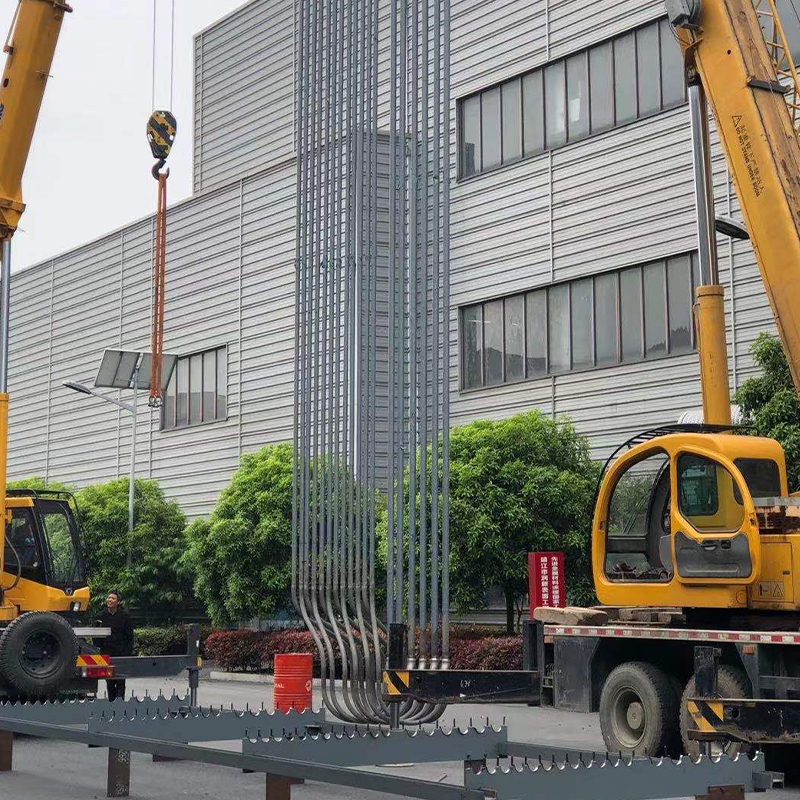 China Radiant Coil Manufacturer, Cracking Tube FactoryTuopu Industry is a China radiant coil manufacturer supplying high-performance cracking tubes and collectors direct from our factory. Hig...View Product →
Tube retirement rarely comes as a surprise rupture. It starts as a slow loss of performance. Coke builds up on the inner wall, the effective cross-section shrinks, pressure drop rises, and the tube metal temperature climbs. Each additional degree of metal temperature shortens creep life. When operators extend a campaign to avoid a shutdown, the tube moves closer to failure.
The table below summarizes the four mechanisms that dominate cracking tube degradation.
| Failure mode | Main driver | Typical sign | Consequence |
|---|---|---|---|
| Carburization | Carbon diffusion into the tube wall | Metal becomes magnetic; wall embrittles | Cracks and leaks |
| Creep | Sustained tube-metal temperature above design | Diameter growth and sagging | Rupture risk |
| Thermal fatigue | Frequent start-up and shut-down cycles | Surface cracks near welds and bends | Loss of containment |
| Oxidation | Steam, flame impingement, or upset temperatures | Scale spalling and wall thinning | Reduced mechanical strength |
In real operation, these mechanisms act together. Carburized material loses ductility, which makes it more sensitive to thermal fatigue. A small area of flame impingement raises the local metal temperature, which accelerates both creep and oxidation. The trend is visible if you track wall temperature and pressure drop.
Tube-metal temperature rises as coke builds up and heat transfer degrades.
Quality is determined before the tube enters the furnace. The foundry practice controls chemistry, grain structure, internal soundness, and wall thickness consistency. A cheap coil with a similar drawing number can look identical on paper and still fail earlier because of porosity, wrong heat treatment, or a weak weld.
Use these control points as a checklist:
The donut chart below shows a practical weighting of quality factors when purchasing cracking tubes.
Ask the supplier for the same level of evidence they would give a refinery inspection team. If the purchase is part of a larger project, the tube specification has to align with the furnace design. That is why a complete ethylene cracking furnace package is often easier to control than buying tubes separately.
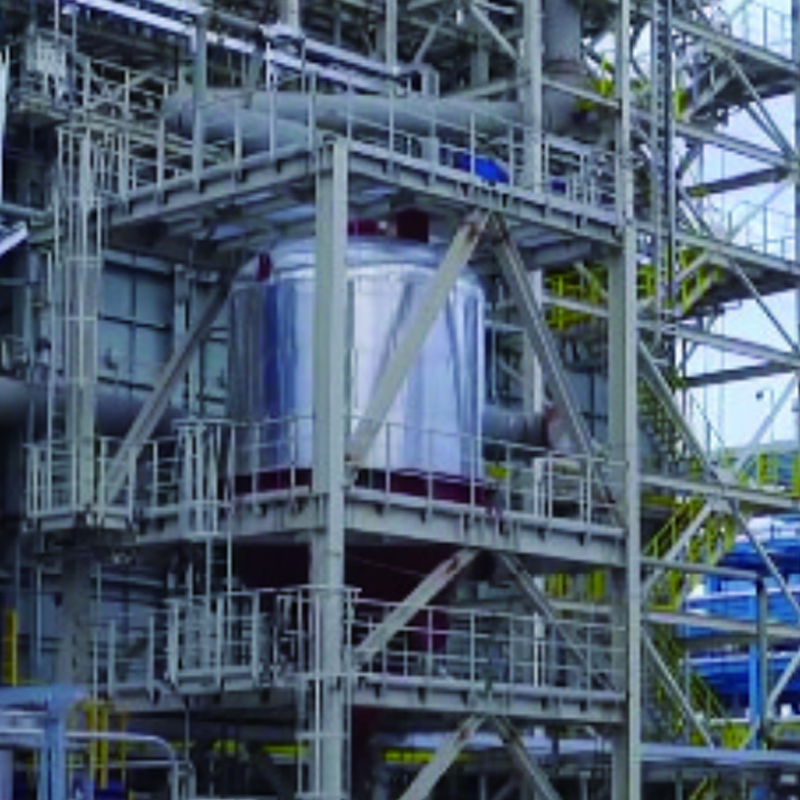 China Ethylene Cracking Furnace Manufacturer, Custom FactoryTuopu Industry is a China ethylene cracking furnace manufacturer & custom factory, we deliver full-scale EPC for ethylene cracking furnac...View Product →
The tube and the furnace cannot be optimized separately. A radiant coil designed for high outlet temperature may create local hot spots if the burner layout pushes flame near the tube surface. Conversely, a conservative furnace design with low heat flux can protect the tube metallurgy and extend run length.
Key design parameters to review include:
When engineering and manufacturing are handled by one team, technical decisions can be traced back to the actual casting and fabrication route. Tuopu Industry designs fired heaters and also manufactures the centrifugal casting tubes, radiant coils, convection sections, and furnace components. Its heavy equipment center and dedicated roll-on/roll-off dock allow completed furnace modules to be shipped without the transport constraints that cause long delays.
Start the evaluation before writing the inquiry. The more specific the question, the easier it is to separate a reliable tube supplier from a reseller. A supplier that understands process conditions will give you a material recommendation, not just a quotation.
The commercial contract should also cover documentation, inspection, and large-component logistics. Because Tuopu Industry operates its own manufacture base and dock, it can manage oversized furnace modules without relying on multiple subcontractors. If you want to review a coil design or a material data sheet, use the company's contact page to reach the engineering team.
Most cracking tubes are centrifugally cast austenitic stainless steel with high chromium and nickel content. 25Cr-35Ni-Nb and modified HP45 grades are common because they offer strong creep resistance and better carburization resistance than lower-alloy materials.
With good furnace operation, cracking tubes often last 50,000 to 100,000 operating hours. The service life depends on tube-metal temperature, feed type, decoking frequency, and burner alignment. Replacing tubes before creep damage becomes advanced is usually more economical than repairing after failure.
Local weld repair is possible for minor external damage. Creep-affected or heavily carburized sections should be removed and replaced instead of repaired because the surrounding material may already be embrittled and cannot reliably carry load.
Cracking tubes operate in olefin plants and crack hydrocarbon feed. Reformer tubes operate in steam reformers to produce hydrogen, syngas, or methanol. The alloys are similar in principle, but the process gases, coking mechanisms, and detailed design calculations are different. This article on steam reformer purpose explains the adjacent technology.
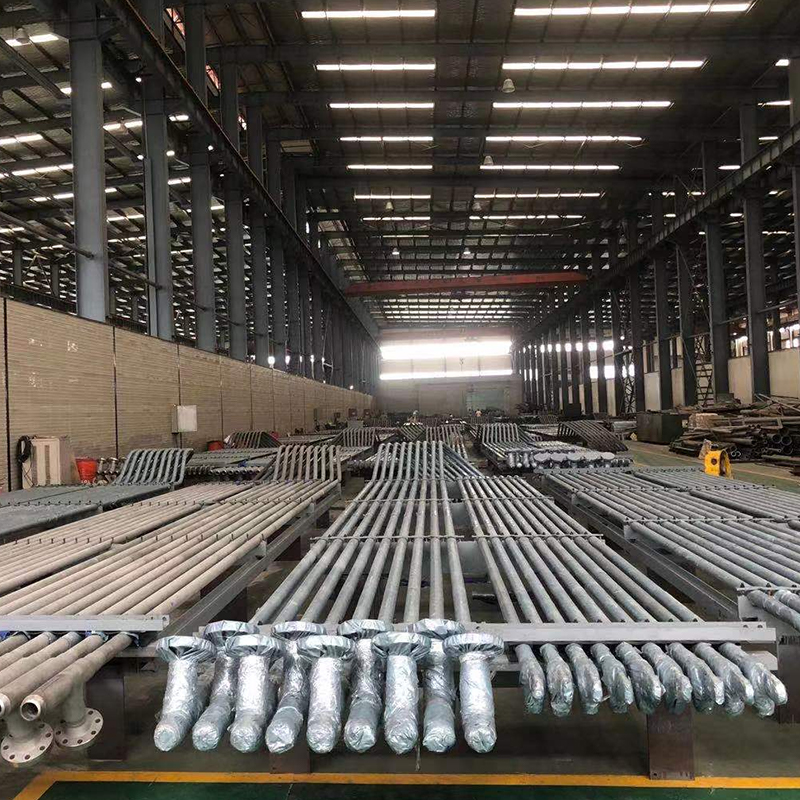
Cracking Tube Series is engineered for high-temperature cracking furnaces in the petrochemical industry, providing exceptional thermal stability, corrosion resistance, and long-term operational reliab...
See Details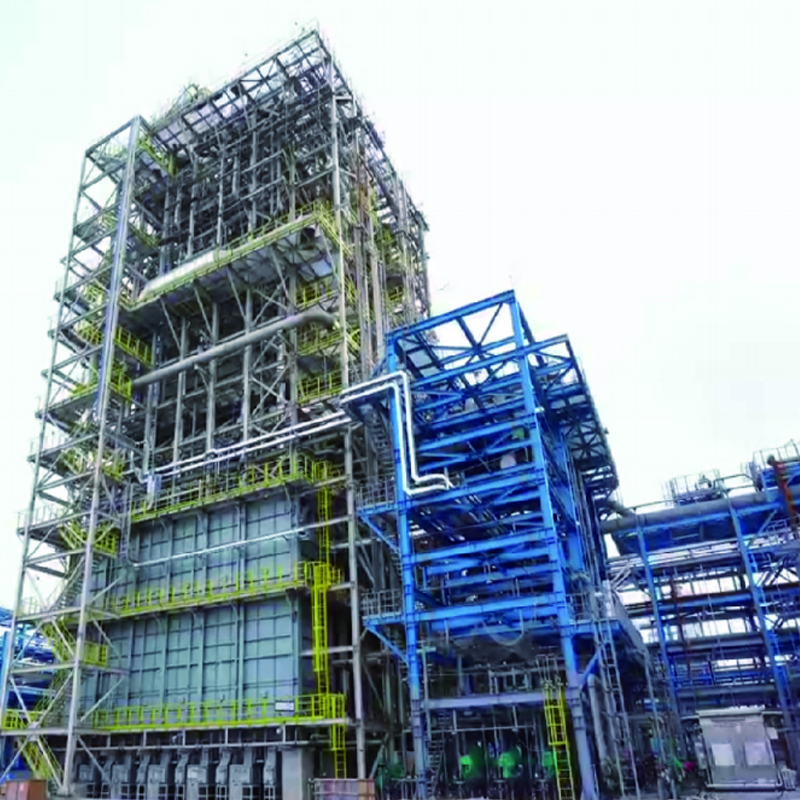
The Ethylene Cracking Furnace is a high-performance industrial furnace designed for ethylene production via pyrolysis of hydrocarbons. The furnace delivers precise and uniform high-temperature heat re...
See Details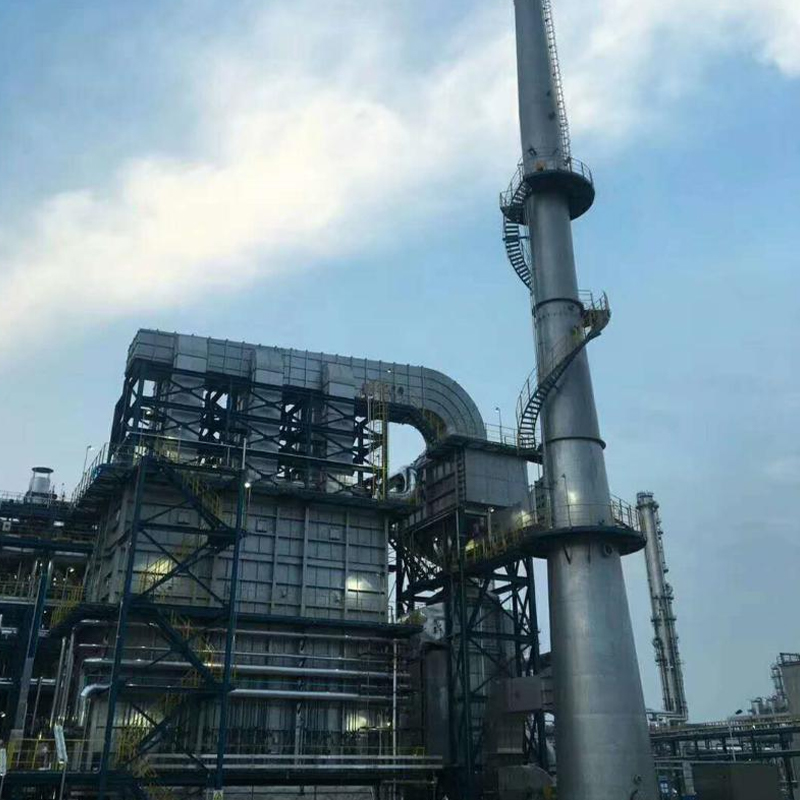
Used in various olefin conversion processes, the Olefin Conversion Fired Heater provides reliable and uniform heat input required for stable chemical reactions and process control. The furnace is desi...
See Details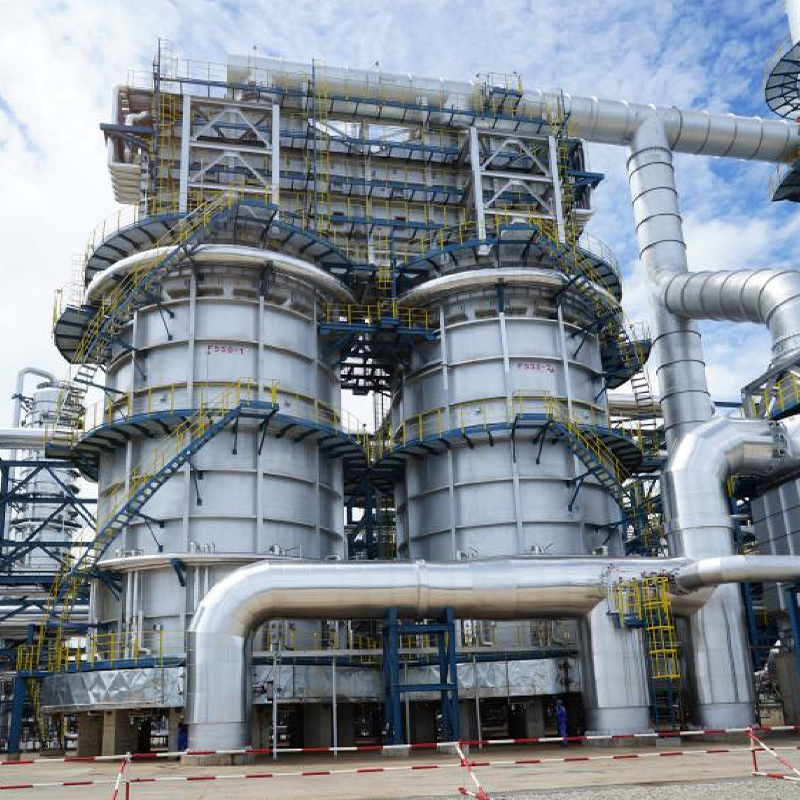
Our Hydrocracking Fired Heater is engineered for high-performance heating in hydrocracking units, a critical process in modern petroleum refining. It provides precise temperature control and uniform h...
See Details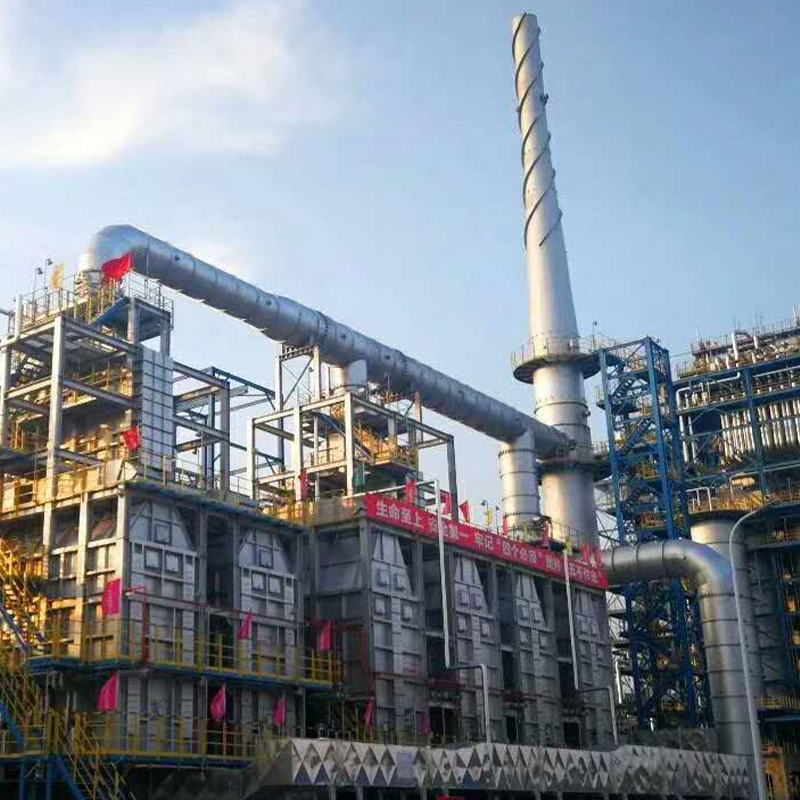
Our Residue Hydrocracking Heater is designed for efficient heating in heavy oil hydrofining processes. It provides precise temperature control, uniform heating, and high thermal efficiency, ensuring o...
See Details
Our Hydrotreating Feed Furnace is engineered to provide precise and stable heating for feedstocks entering hydrogenation reactors. By ensuring uniform preheating and optimal temperature control, it ma...
See DetailsPhone
+86 189 5262 7611
+86-(0)523 8498 2299
Address
No.20, Fuyang Road, Jingjiang City, Jiangsu Province, China
Media