
 English
 русский
 فارسی
فارسی
Furnace Accessories Series provides essential components that ensure the safe, efficient, and reliable operation of industrial furnaces. From burners and thermocouples to refractory supports and flue ...
See Details Home / News / Industry News / Centrifugal Casting Furnace Tube: Process, Benefits & Procurement Guide
2026-09-04
Content
Your reformer furnace tube just failed after only 38 months in service. The replacement quote says eight weeks, but your turnaround window closes in six. A ruptured tube is never just a tube—it is lost production, process upsets, and a scramble to source spares.
Centrifugal casting furnace tubes are the backbone of high-temperature reforming and cracking service. They deliver a dense, fine-grained microstructure that resists creep and carburization. But the alloy, wall thickness, and supplier quality system determine whether your fired heater runs reliably through a full operating cycle or becomes the reason your plant goes down early.
Centrifugal casting is the preferred manufacturing route for reformer and cracking furnace tubes because it produces a uniform, near-void-free wall that wrought and static-cast routes cannot match economically. The molten alloy is poured into a cylindrical mold that rotates at high speed. Centrifugal force holds the metal against the mold wall, and solidification proceeds directionally from the outside surface toward the bore. Lighter impurities and slag collect in the inner bore, which is then machined away.
The result is a tube wall with a fine, columnar grain structure, with no shrinkage porosity and no centerline defects. This structure translates directly into longer creep life and better resistance to carburization. For most reformer and cracking services, centrifugally cast tubes are the standard specification.
| Attribute | Centrifugal Casting | Static Casting | Wrought Seamless |
|---|---|---|---|
| Wall soundness | High, near-void-free | Moderate, porosity risk | High |
| Grain structure | Fine columnar, directional | Coarse, random | Deformed, recrystallized |
| Impurity location | Inner bore, machined off | Random distribution | Within material |
| Typical tolerance | ±0.5 mm (machined) | ±5.0 mm | ±1.0 mm |
| Cost for tube | Moderate | Low | High |
Typical wall thickness tolerance after machining (mm). Lower values indicate tighter dimensional control.
Alloy selection should follow the maximum expected metal temperature and the dominant failure mechanism, not just the material price. In reforming service, creep is the main concern. In ethylene cracking, carburization dominates. Direct-reduced-iron (DRI) reformer tubes face both high temperature and a reducing atmosphere.
The standard materials are HK40 (25Cr-20Ni), HP45 (25Cr-35Ni), and high-nickel 35Cr-45Ni microalloyed grades. As you move from HK40 to 35Cr-45Ni, the cost increases, but so does the allowable design stress and the resistance to carbon penetration. At 1,000°C, a 35Cr-45Ni alloy can carry roughly 35 percent higher stress than HP45 and nearly twice the stress of HK40.
Creep rupture strength (MPa) vs. metal temperature (°C). Approximate values based on typical cast alloy data.
| Alloy | Cr (%) | Ni (%) | Typical max metal temp | Key property |
|---|---|---|---|---|
| HK40 | 25 | 20 | 980°C | Economic, moderate creep strength |
| HP45 | 25 | 35 | 1,040°C | Good creep strength, carburization resistance |
| 35Cr-45Ni | 30-35 | 45-50 | 1,080°C | High creep strength, superior carburization resistance |
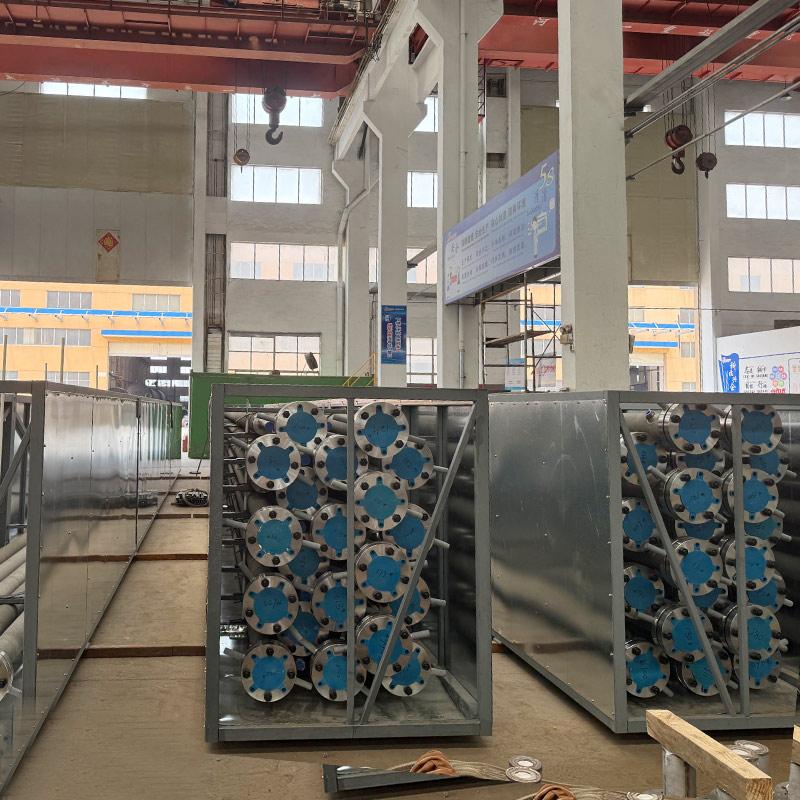 Reformer Tube for High-Temperature Hydrogen and Catalytic ProcessesThis reformer tube is engineered for hydrogen conversion and catalytic reactions in industrial furnaces. It offers superior thermal resistance, oxidation protection, and precision manufacturing to ensure structural integrity and long-term stability.View Product →
Although both are centrifugally cast tubes, cracking tubes and reformer tubes are engineered for different failure modes. Cracking tubes, also called radiant coils, operate in an ethylene cracking furnace where the outer wall temperature can exceed 1,080°C. The dominant degradation mechanism is carburization: coke forms inside the tube, carbon diffuses into the alloy, and the tube loses ductility. For this service, HP microalloyed or 35Cr-45Ni grades are standard.
Reformer tubes carry a different job. They operate in steam methane reforming at a wall temperature of roughly 850-1,000°C. The primary concern is creep: the tube must support itself and withstand internal pressure over a design life of 100,000 hours or more. HP45 is a common choice, with 35Cr-45Ni used where higher reliability is needed.
DRI reformer tubes follow a similar logic but with additional challenges from the reducing atmosphere and higher operating temperatures in direct-reduced-iron plants. They require alloys that can sustain both creep strength and resistance to carbon pickup in a hydrogen-rich environment.
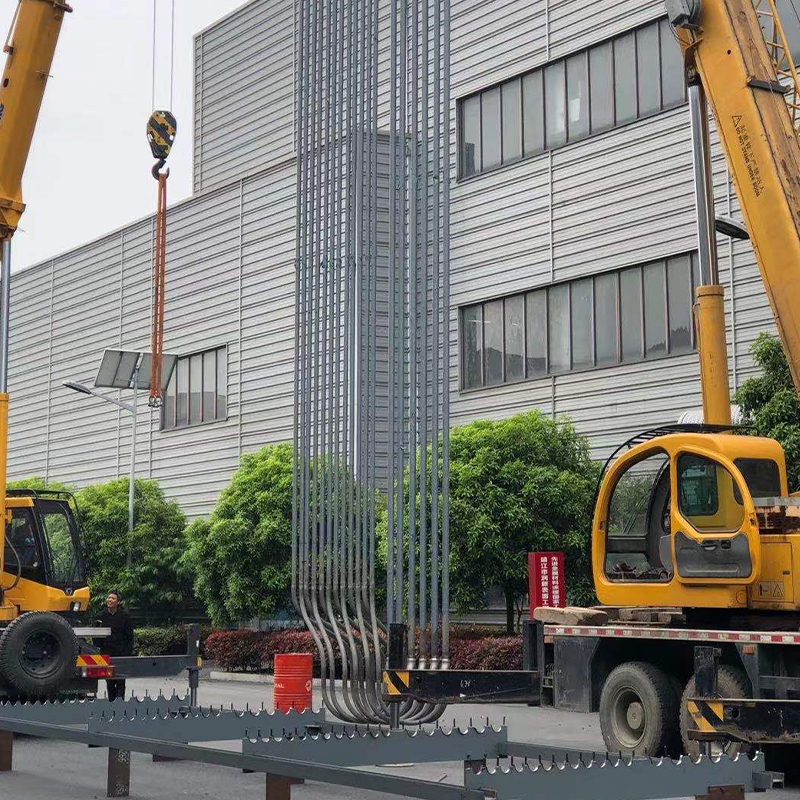 Cracking Tube for Ethylene and Propylene Pyrolysis FurnacesDesigned for ethylene and propylene cracking, this radiant coil withstands extreme temperatures and resists carburization. Its optimized geometry ensures uniform heat transfer and coking resistance, crucial for extending service life in pyrolysis units.View Product →
For direct-reduced-iron reformers, a DRI-specific tube design is often needed to resist hydrogen attack and maintain rupture life under cyclic operation.
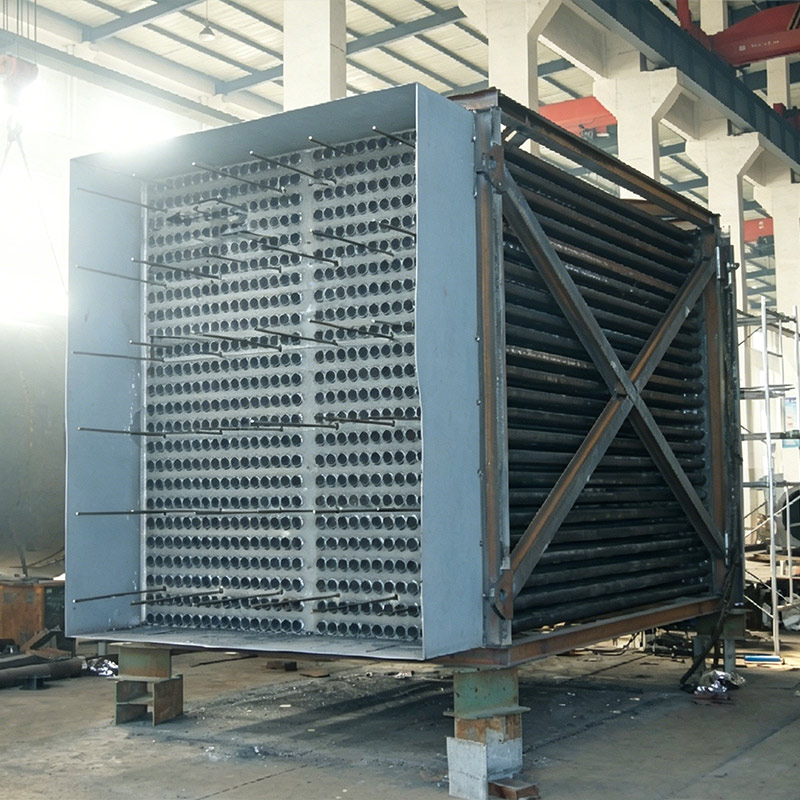 DRI Reformer Tube for Direct Reduced Iron FurnacesSpecialized for DRI plants, this tube resists hydrogen attack and carbon pickup in reducing atmospheres. Its alloy composition and mechanical strength provide reliability under cyclic high-temperature operation, supporting efficient steel production.View Product →
Your purchase specification is the single most effective tool for avoiding premature tube failure. A well-written specification prevents a low-cost bid with poor material quality from becoming an expensive downtime event.
At a minimum, the specification should call out the casting standard, chemical composition, dimensional tolerances, inspection requirements, and documentation. Referencing ASTM A297 or ASTM A608 gives the foundry a clear basis for composition limits and mechanical properties. The wall thickness after machining is typically 10-18 mm for reformer tubes, with a tolerance of ±0.8 mm or better on the final machined surface. The bore must be smooth enough to allow ultrasonic inspection and consistent heat flux.
Creep damage remains the largest single cause of reformer tube failures. Carburization dominates in cracking service. Overheating from flame impingement or poor flow distribution is the third most common cause. This is exactly why the alloy choice, tube wall thickness, and burner arrangement are all interconnected decisions.
When you specify a tube, require 100 percent ultrasonic examination of the tube wall. Dye penetrant inspection on machined weld ends catches surface cracks that ultrasonic testing can miss. Ask for material traceability certificates showing the heat number, chemical analysis, heat treatment records, and mechanical test results. For applications with high sulfur or steam exposure, request a carburization resistance report or a creep-rupture data sheet from the foundry.
The emphasis on price often pushes buyers toward unqualified suppliers. In furnace tube procurement, the opposite logic applies: the lowest-priced tube frequently becomes the most expensive when you factor in replacement, lost production, and the cost of an unplanned shutdown.
Look for manufacturers that appear on qualified vendor lists of major energy operators. That qualification is not a marketing detail. It means the supplier has passed audits covering foundry processes, heat treatment, NDT capability, and machining accuracy. It also indicates a track record of delivering tubes to strict specifications.
Factory audits matter. Check that the foundry has modern electric melting capability, automated pouring, a reliable heat treatment furnace with recorded cycle data, and a well-equipped laboratory for chemical and mechanical testing. Machining capacity with CNC lathes and a documented dimensional inspection protocol is a second factor. For large tube modules and complete fired heaters, the supplier's ability to assemble and ship oversized equipment should also be assessed.
Consider the risks of an unqualified supplier: inconsistent chemical composition from heat to heat, excessive wall thickness variation, and micro-shrinkage in the tube wall. This is why procurement rules for furnace tubes should be aligned with the broader fired heater project. A supplier with EPC experience can often coordinate tube manufacture, convection module assembly, and on-site construction more effectively than separate vendors. Read our article on radiation tube precautions to understand common installation and operating pitfalls that owners overlook.
In true centrifugal casting, the metal is poured into a rotating mold and centrifugal force forms the tube wall. The mold spins at high speed and the tube is hollow without a core. Semi-centrifugal casting uses a core to shape the internal geometry and lower rotational speeds; it is used for parts like wheels or valve bodies. Furnace tubes rely on the true centrifugal route.
For ethylene cracking and steam reforming service, the typical wall thickness after machining is 8-15 mm for cracking coils and 10-18 mm for reformer tubes, but the exact thickness is calculated from the internal pressure, the alloy allowable stress at maximum metal temperature, and a corrosion/carburization allowance. Never specify a wall thickness without reviewing the design code and the lifetime target.
Ultrasonic testing of the tube wall is standard, combined with dye penetrant on the machined weld prep ends. Some specifications also require radiographic testing for the weld joints and dimensional inspection of the bore, the outer diameter, and wall roundness.
Centrifugal casting furnace tubes are a critical investment. The process gives you the dense, fine-grained structure needed for long-term creep and carburization resistance, but only if the alloy, wall thickness, inspection, and supplier are selected with the same rigor as the fired heater itself.
Start with the maximum metal temperature, choose the alloy that matches the dominant failure mode, and specify 100 percent ultrasonic inspection and full material traceability. If a supplier cannot show you that level of quality control, walk away. The cheaper tube that fails in three years is never cheaper by the end of the project.
Need help drafting a specification for reformer or cracking tubes? Contact our engineering team for material selection and procurement guidance.
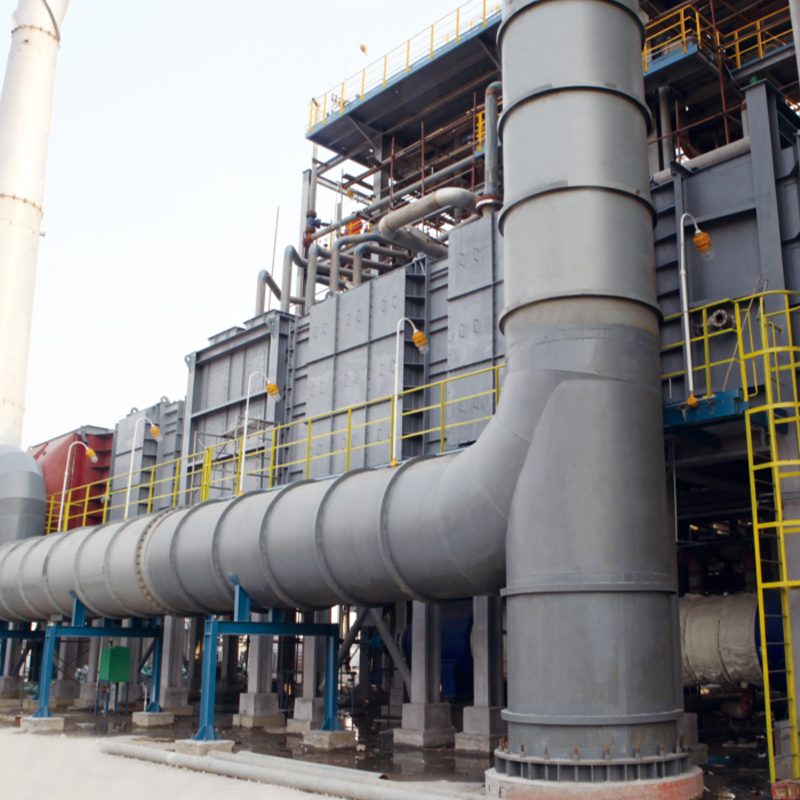
Furnace Accessories Series provides essential components that ensure the safe, efficient, and reliable operation of industrial furnaces. From burners and thermocouples to refractory supports and flue ...
See Details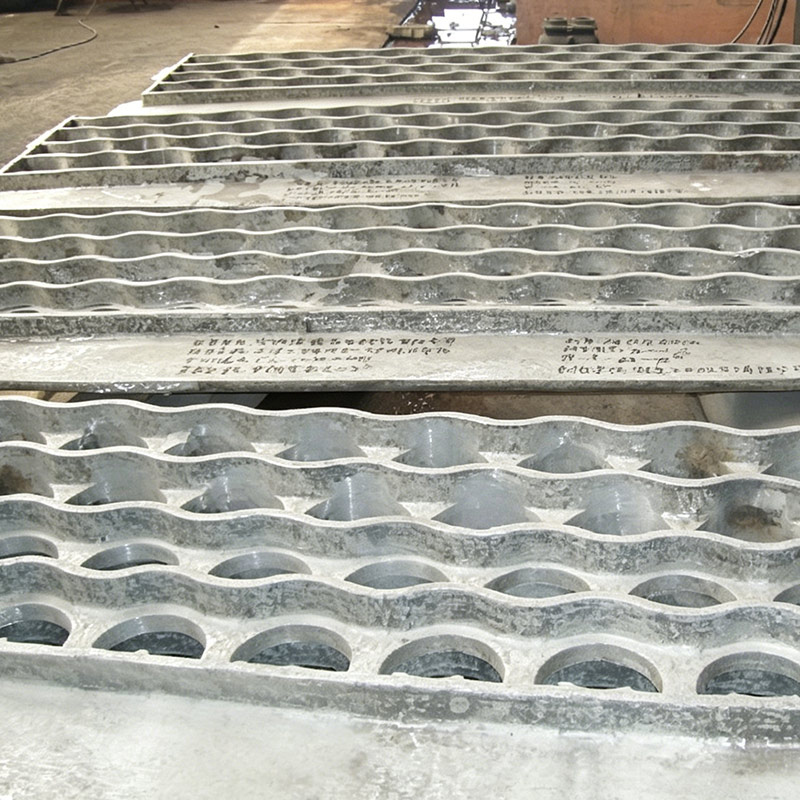
Cast tube sheets have good heat resistance and structural integrity, and are commonly used in industries such as petrochemicals, fertilizers, and power plant. It is recommended to use heat-resistant s...
See Details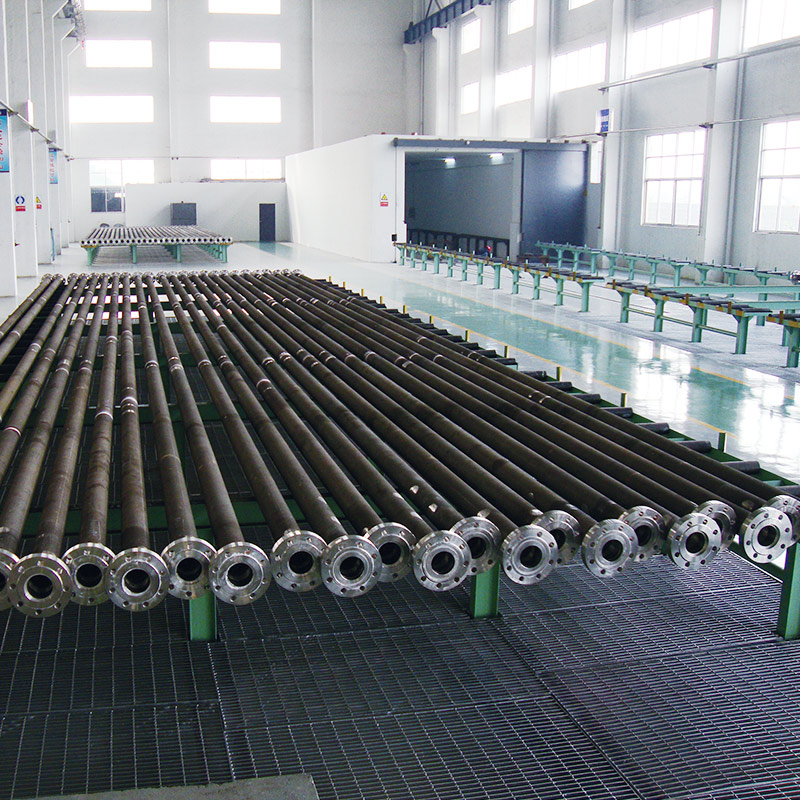
Tuopu’s Reformer Tube is designed for high-temperature chemical reactions in industrial furnaces, ensuring efficient heat transfer, structural integrity, and long-term operational stability. These tub...
See Details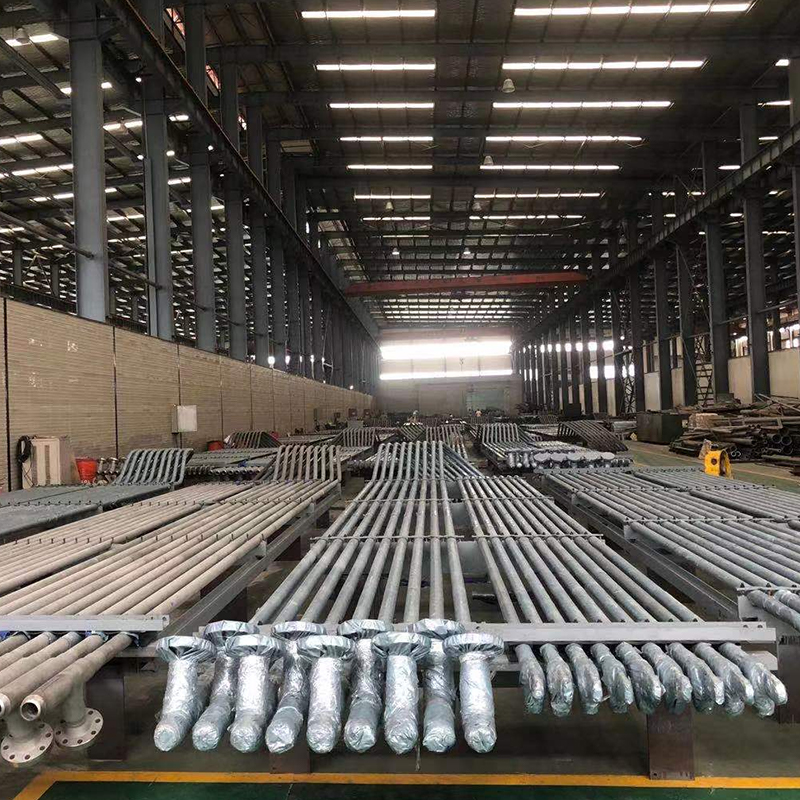
Cracking Tube Series is engineered for high-temperature cracking furnaces in the petrochemical industry, providing exceptional thermal stability, corrosion resistance, and long-term operational reliab...
See Details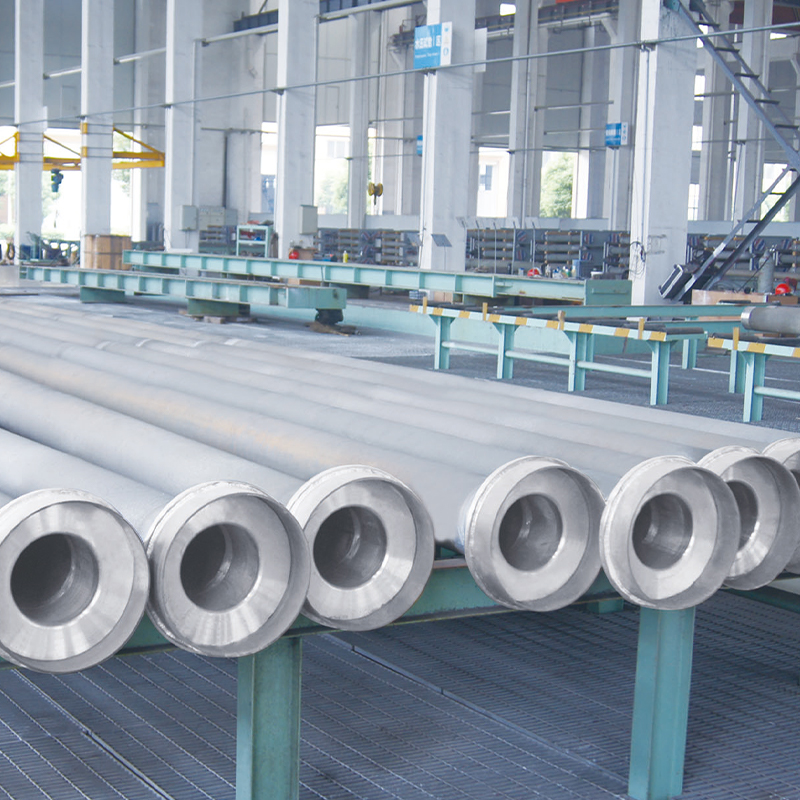
Tuopu’s DRI Furnace Tube Series is specially designed for Direct Reduced Iron (DRI) furnaces, offering superior heat resistance, mechanical strength, and long-term operational stability. Manufactured ...
See Details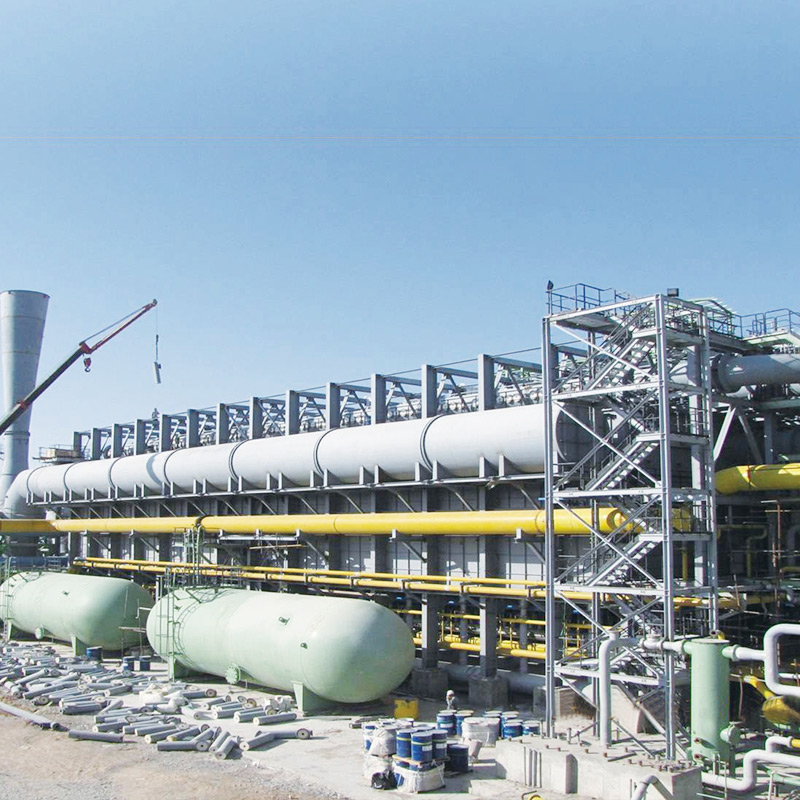
Tuopu’s DRI Furnace is a tailor-made solution designed specifically for steelmaking plants, providing reliable and efficient direct reduced iron (DRI) production. Engineered for high operational stabi...
See DetailsPhone
+86 189 5262 7611
+86-(0)523 8498 2299
Address
No.20, Fuyang Road, Jingjiang City, Jiangsu Province, China
Media