
 English
 русский
 فارسی
فارسی

Our Heater for Visbreaking Unit is designed for efficient heating of heavy hydrocarbon feedstocks in viscosity reduction and cracking processes. By providing uniform, high-temperature heating, it ensu...
See Details
2025-12-16
Steam reforming or steam methane reforming (SMR) is a method for producing syngas (hydrogen and carbon monoxide) by reaction of hydrocarbons with water. Commonly, natural gas is the feedstock. The main purpose of this technology is often hydrogen production, although syngas has multiple other uses such as production of ammonia or methanol.
Hydrogen produced by steam reforming is termed 'grey' hydrogen when the waste carbon dioxide is released to the atmosphere and 'blue' hydrogen when the carbon dioxide is (mostly) captured and stored geologically—see carbon capture and storage. Zero carbon 'green' hydrogen is produced by thermochemical water splitting, using solar thermal, low- or zero-carbon electricity or waste heat,[2] or electrolysis, using low- or zero-carbon electricity. Zero carbon emissions 'turquoise' hydrogen is produced by one-step methane pyrolysis of natural gas.
Steam reforming of natural gas produces most of the world's hydrogen. Hydrogen is used in the industrial synthesis of ammonia and other chemicals.
The reaction is conducted in multitubular packed bed reactors, a subtype of the plug flow reactor category. These reactors consist of an array of long and narrow tubes[10] which are situated within the combustion chamber of a large industrial furnace, providing the necessary energy to keep the reactor at a constant temperature during operation. Furnace designs vary, depending on the burner configuration they are typically categorized into: top-fired, bottom-fired, and side-fired. A notable design is the Foster-Wheeler terrace wall reformer.
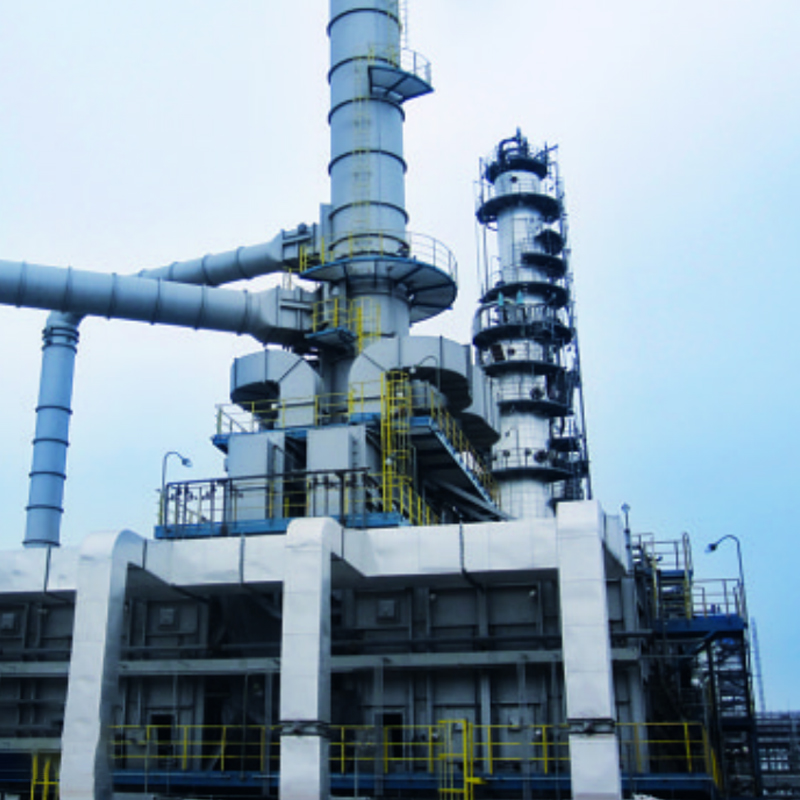
Our Heater for Visbreaking Unit is designed for efficient heating of heavy hydrocarbon feedstocks in viscosity reduction and cracking processes. By providing uniform, high-temperature heating, it ensu...
See Details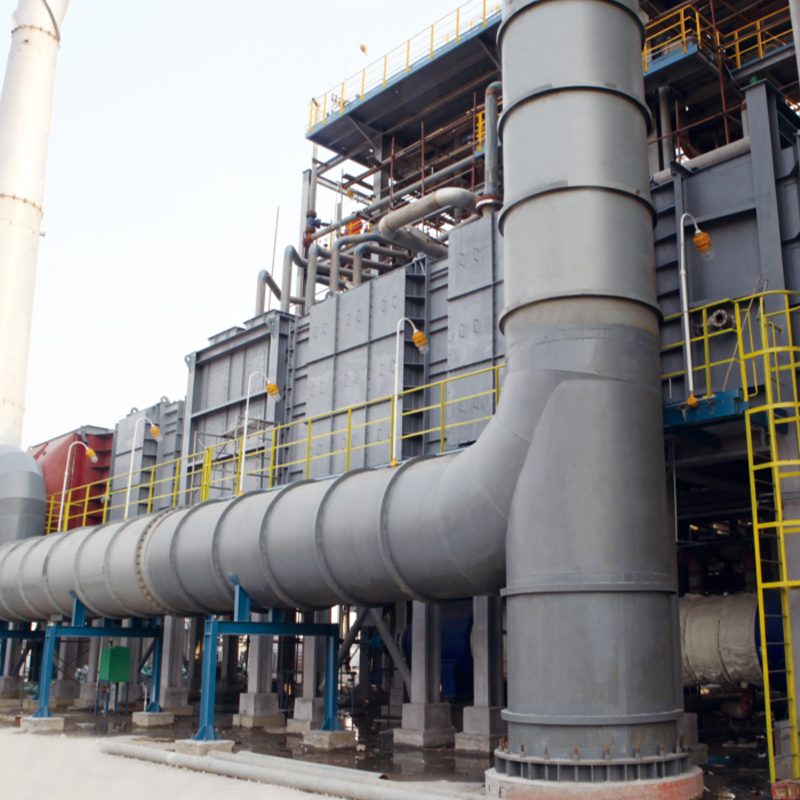
Furnace Accessories Series provides essential components that ensure the safe, efficient, and reliable operation of industrial furnaces. From burners and thermocouples to refractory supports and flue ...
See Details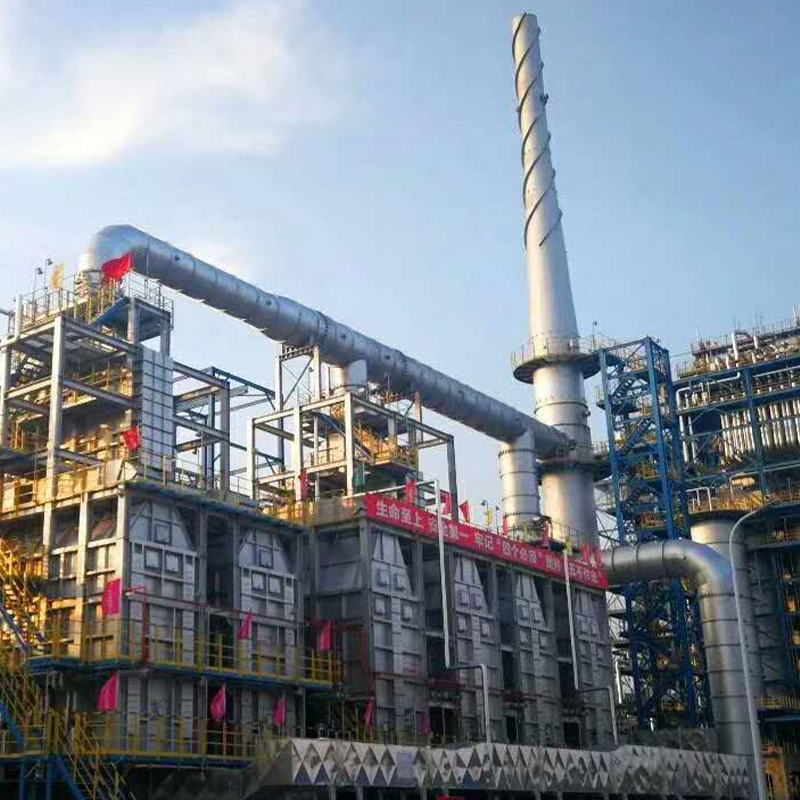
Our Residue Hydrocracking Heater is designed for efficient heating in heavy oil hydrofining processes. It provides precise temperature control, uniform heating, and high thermal efficiency, ensuring o...
See Details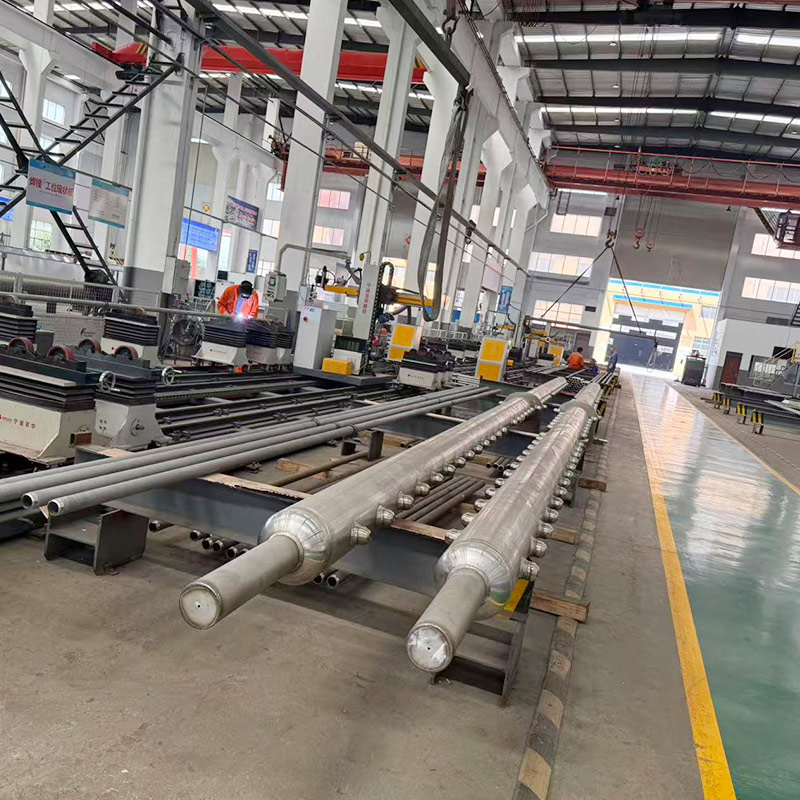
The outlet manifold collectors high-temperature converted gas (H₂+CO+CO ₂+CH ₄) from multiple radiation tubes, with a temperature of up to 700-900 °C, and needs to withstand thermal stress and hydroge...
See Details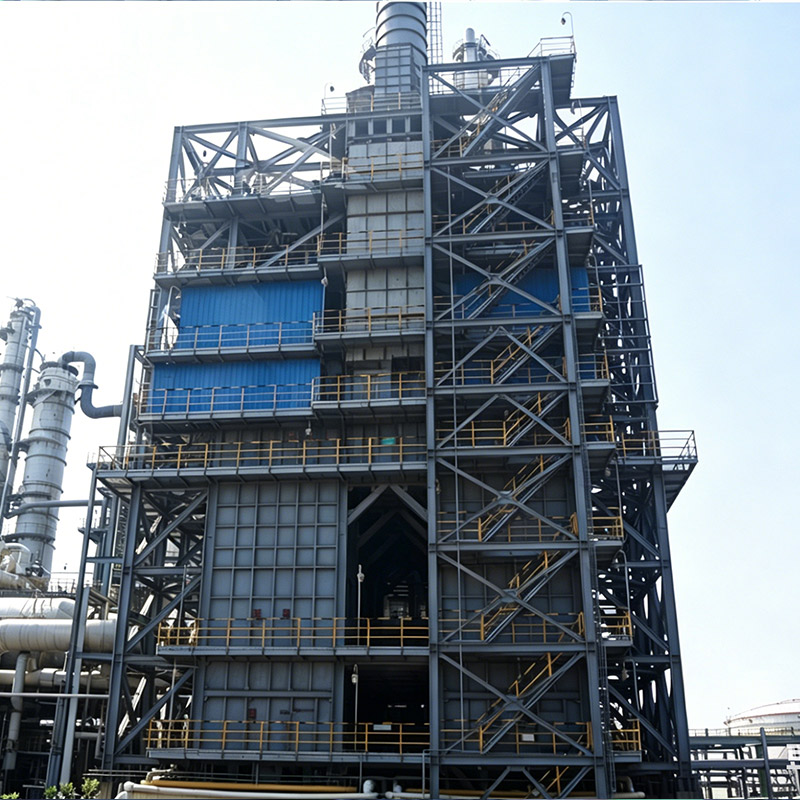
The Styrene steam superheaters are critical furnace systems in ethylbenzene dehydrogenation plants that heat steam to high temperatures, often over 800°C, to drive the endothermic production of styren...
See Details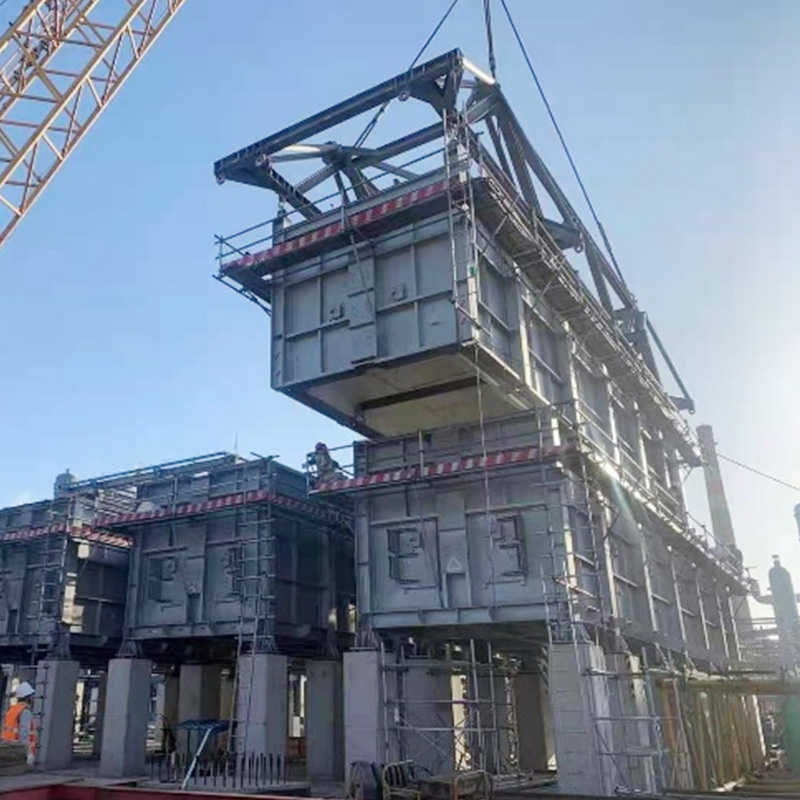
Using COMMOS and intelligent PID for two-dimensional collaborative design, achieving a digital delivery level.
See DetailsPhone
+86 189 5262 7611
+86-(0)523 8498 2299
Address
No.20, Fuyang Road, Jingjiang City, Jiangsu Province, China
Media