
 English
 русский
 فارسی
فارسی

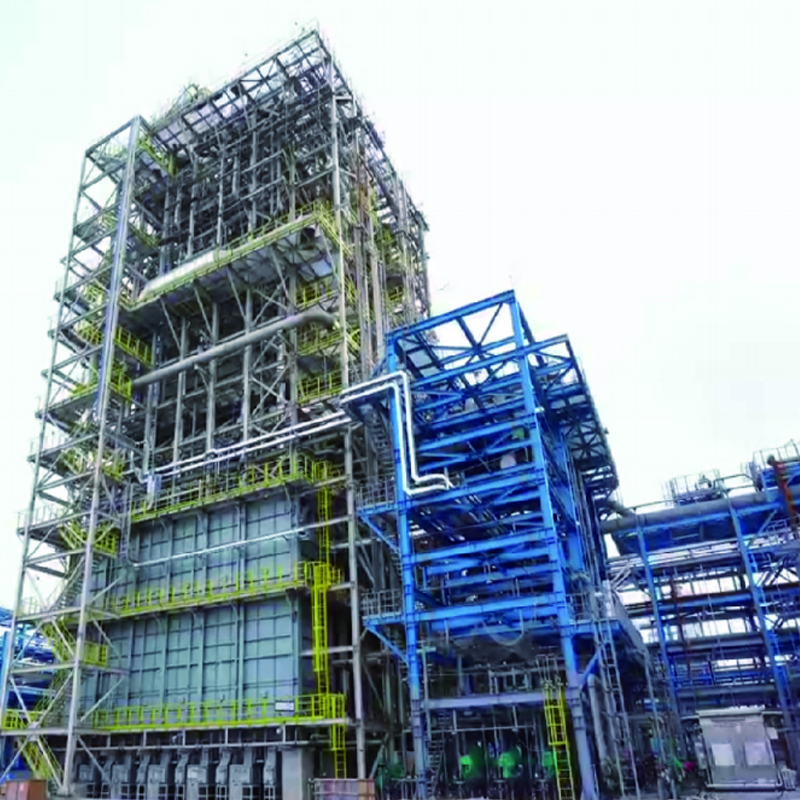
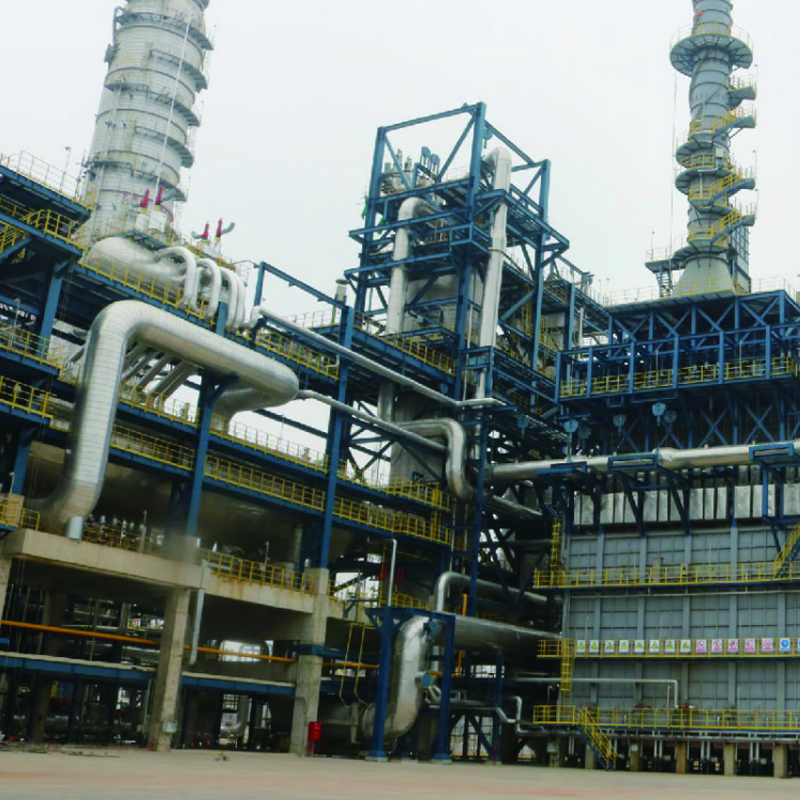
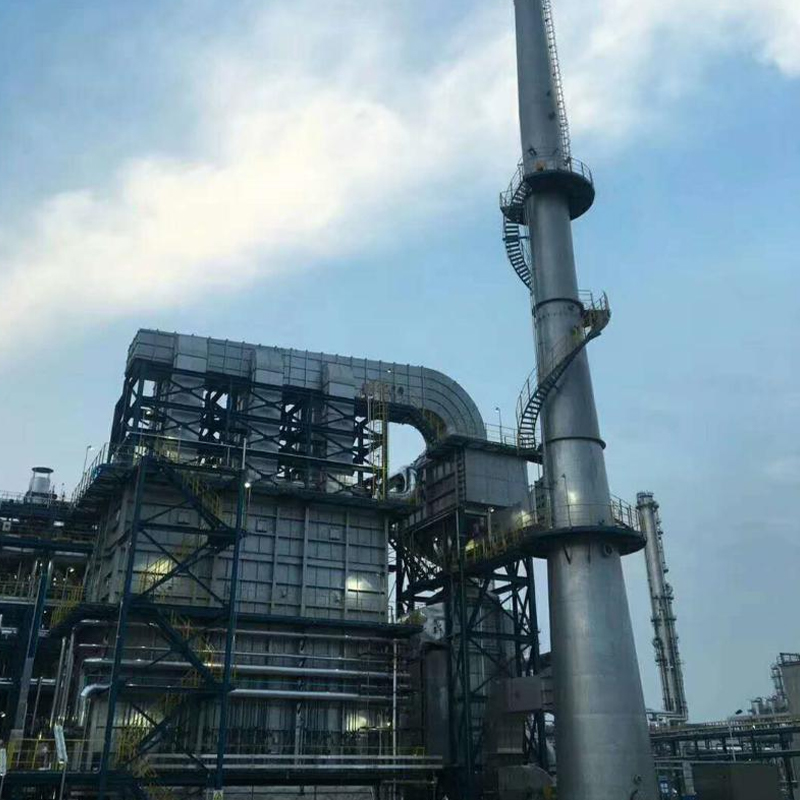
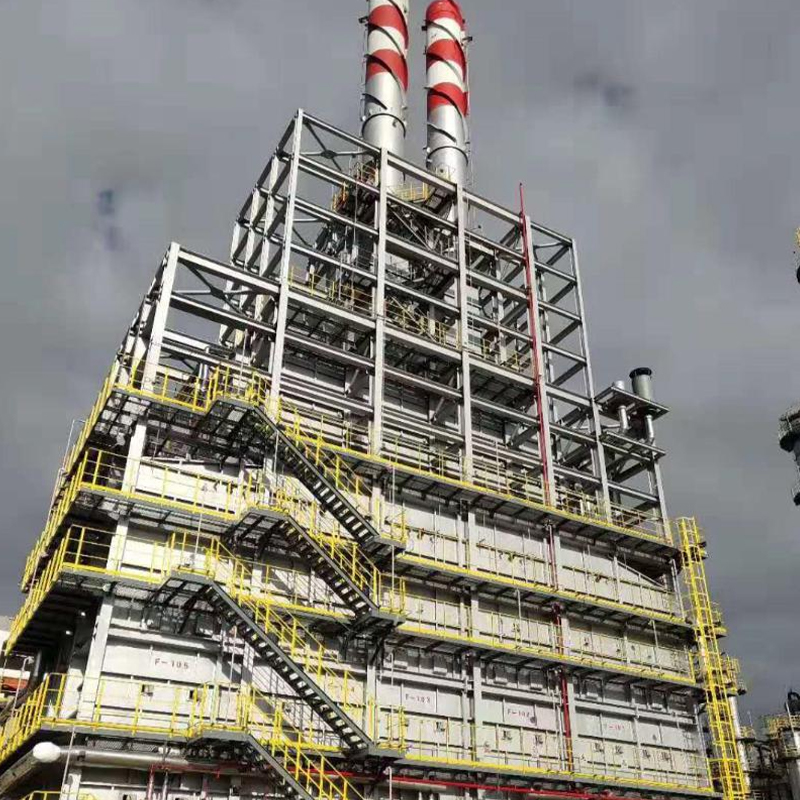
The Propane Dehydrogenation Furnace (PDH Furnace) is specifically engineered to provide stable, high-temperature heat for propane dehydrogenation processes in petrochemical plants. The furnace ensures...
See Details
2026-07-31
Content
A fired heater for the petrochemical industry is a combustion-based thermal device that raises the temperature of process fluids—such as hydrocarbon feedstock, crude oil, or reaction gas—by transferring heat released from fuel combustion through radiant and convection tubes. It is the core heating equipment behind units like ethylene cracking, catalytic reforming, hydrotreating, and hydrogen generation, and its design directly determines a plant's thermal efficiency, product yield, and operating safety.
Inside a fired heater, fuel gas or fuel oil burns in the firebox, and the released heat is absorbed by process fluid flowing through tube coils. The radiant section, where tubes face the flame directly, handles roughly 60 to 70 percent of the total heat duty, while the convection section recovers residual heat from flue gas before it exits the stack. This staged heat transfer allows the fluid to reach precise outlet temperatures—for example, 750 to 850°C for ethylene cracking furnace feedstock—without localized overheating that could damage furnace tubes or reduce product quality.
Fired heater for petrochemical industry is classified into several structural forms depending on process requirements. Tuopu Industry (Jiangsu) Co., Ltd. maintains mature engineering solutions and performs customized design according to different process licensor specifications, mainly covering box-type furnaces, cylindrical furnaces, and vertical furnaces.
From the perspective of combustion air supply, engineering designs encompass four modes: natural draft, forced draft, induced draft, and balanced draft. Forced draft uses fans to increase air velocity and improve fuel-air mixing; natural draft relies on the density difference between gases inside and outside the chimney to generate suction; balanced draft employs both forced and induced draft fans for precise combustion control. Tuopu Industry (Jiangsu) Co., Ltd. selects the optimal ventilation scheme based on project altitude, climate, and fuel characteristics.
Tuopu Industry (Jiangsu) Co., Ltd. covers the full industrial chain of fired heater for petrochemical industry, with all products independently manufactured based on practical engineering experience. The table below lists the major categories actually supplied by the company.
| Product Category | Core Function | Typical Application |
| Ethylene Cracking Furnace | Cracks naphtha and ethane at 750-850°C to produce ethylene and propylene | Olefin production units |
| Hydrogen Generation Reformer | Provides thermal energy up to 1000°C for steam reforming reactions | Refinery hydrogen supply units |
| DRI Reformer Tube | Supplies high-temperature resistant reaction tube assemblies for direct reduced iron production | Steelmaking DRI installations |
| Radiant Coil / Cracking Tube | Centrifugally cast alloy tubes that withstand extreme thermal cycling | Radiant section of fired heaters |
| Convection Section | Recovers waste heat from flue gas to improve overall thermal efficiency | Tail-end heat recovery of fired heaters |
| Catalyst Tube / Reaction Tube | Houses catalyst for reforming and cracking reactions under high pressure and temperature | Reformer and cracking furnace internals |
Beyond the main furnace body, several furnace parts govern long-term reliability. The manifold and collector distribute and gather process fluid across parallel tube passes, ensuring balanced flow and preventing localized overheating. The tube sheet secures tube bundles at furnace headers and must withstand repeated thermal expansion cycles. Centrifugal casting furnace tube technology, used for radiant coil and cracking tube production, produces a tube wall with uniform grain structure, free from shrinkage cavities and porosity common in static casting—directly improving creep resistance under sustained high-temperature service.
A selection of fired heater types engineered and manufactured by Tuopu Industry (Jiangsu) Co., Ltd. for chemical and petrochemical process units, each customized to specific reaction and thermal requirements.
Ethylene cracking furnace represents one of the most technically complex types of fired heater for petrochemical industry. Tuopu Industry (Jiangsu) Co., Ltd. offers full-process EPC for ethylene cracking furnace, from process package design to plant startup. In the practice of engineering for fired heater, the design core of ethylene cracking furnace lies in the selection and arrangement of radiant section coils. Tuopu Industry (Jiangsu) Co., Ltd. employs centrifugally cast high-temperature alloy tubes as the core material for the radiant section, maintaining excellent creep resistance and oxidation resistance at operating temperatures of 750-850°C.
EPC for ethylene cracking furnace projects demand exceptionally high project management capability, involving precise coordination across process design, equipment procurement, site construction, commissioning, and startup phases. Leveraging its own manufacturing base and professional project management team, Tuopu Industry (Jiangsu) Co., Ltd. effectively controls construction schedule and investment cost while ensuring successful first-time startup.
Thermal efficiency is a key performance indicator for fired heater for oil refinery and petrochemical applications alike. By optimizing heat load distribution between radiant and convection sections, adopting high-efficiency burners, and implementing waste heat recovery systems, modern petrochemical fired heaters can achieve thermal efficiency exceeding 85 percent. Tuopu Industry (Jiangsu) Co., Ltd. uses computational fluid dynamics simulation during the design phase to optimize flame patterns, preventing localized overheating caused by flame impingement on furnace tubes while reducing nitrogen oxide emissions.
Safe operation of fired heater for petrochemical industry follows API 560 and other international standards throughout design, material selection, manufacturing inspection, and installation commissioning. Key safety measures include:
Tuopu Industry (Jiangsu) Co., Ltd. recommends condition-based predictive maintenance, identifying potential failures in advance by monitoring tube wall temperature, flue gas composition, and fuel consumption rate, thereby reducing unplanned downtime.
Fired heater for petrochemical industry serves as the thermal heart of petrochemical installations, with its design level directly impacting plant operational efficiency, safety, and economics. Tuopu Industry (Jiangsu) Co., Ltd., backed by first-level supplier qualifications, a complete manufacturing base, and extensive EPC project experience, provides global customers with comprehensive solutions ranging from engineering for fired heater to equipment manufacturing and site construction—whether for ethylene cracking furnace, hydrogen generation reformer, or fired heater for oil refinery applications.
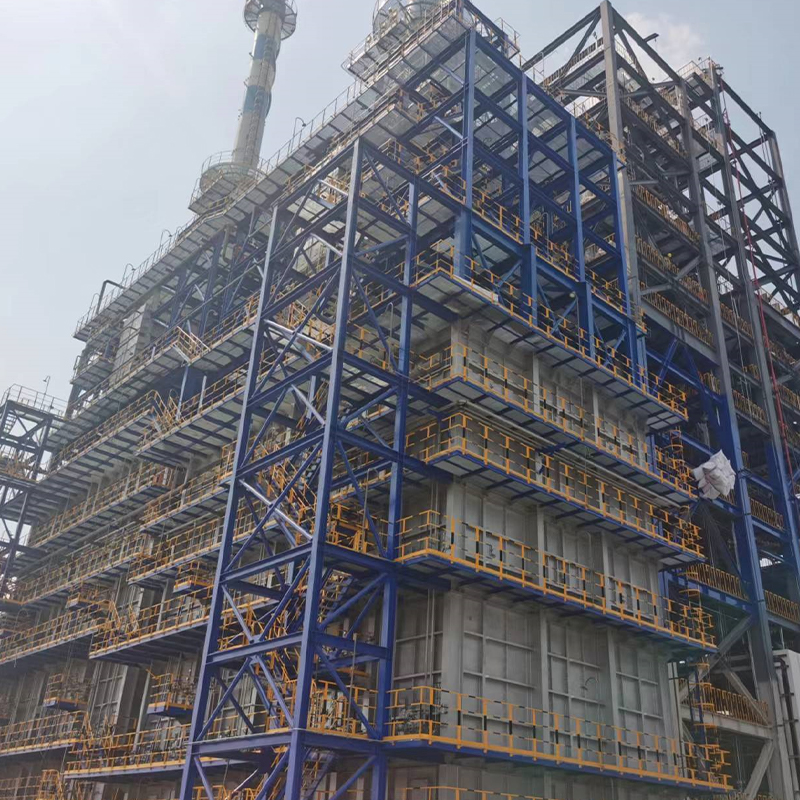
The Propane Dehydrogenation Furnace (PDH Furnace) is specifically engineered to provide stable, high-temperature heat for propane dehydrogenation processes in petrochemical plants. The furnace ensures...
See Details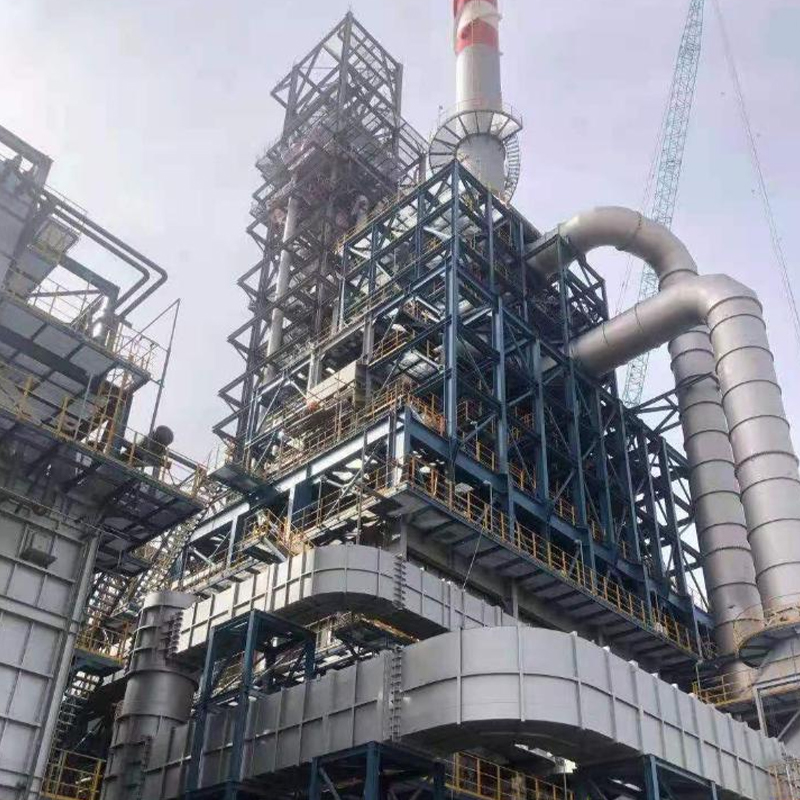
Our Four-in-One Reforming Fired Heater is a high-efficiency, advanced heating solution designed for modern petroleum refining and chemical processing operations. Engineered to optimize thermal perform...
See Details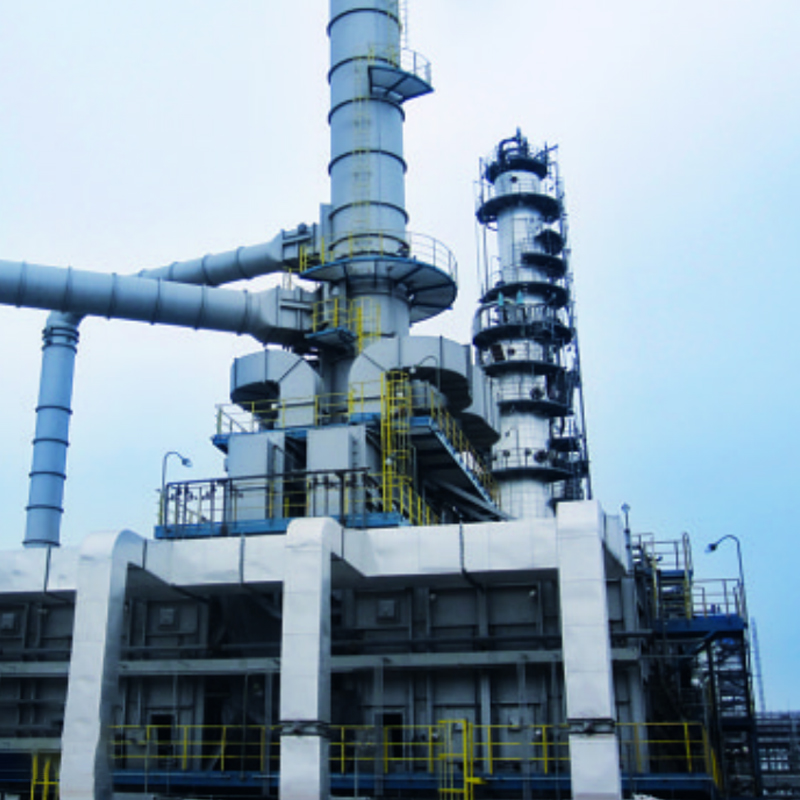
Our Heater for Visbreaking Unit is designed for efficient heating of heavy hydrocarbon feedstocks in viscosity reduction and cracking processes. By providing uniform, high-temperature heating, it ensu...
See Details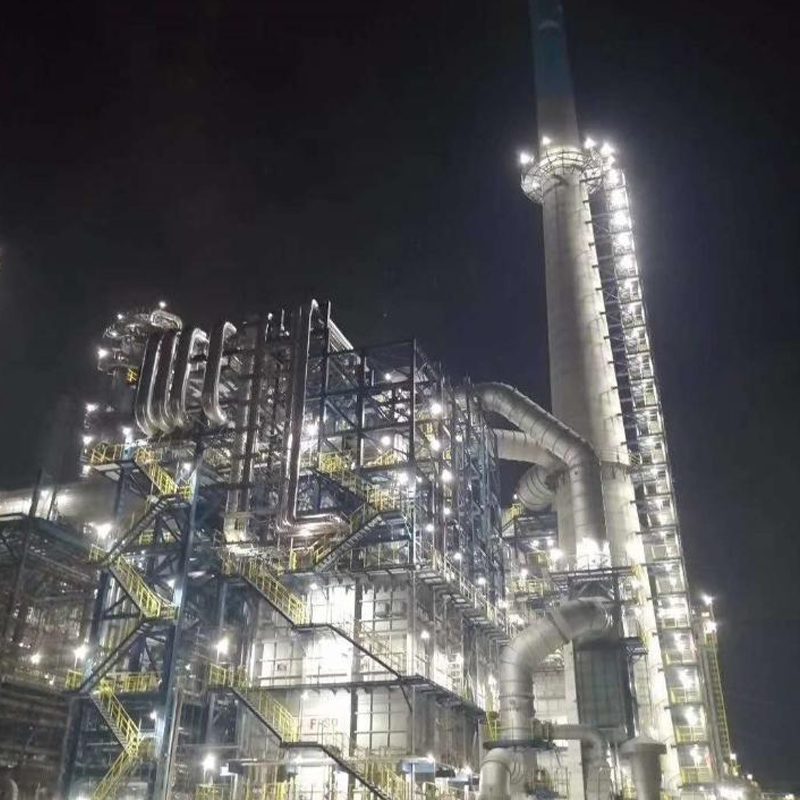
Our Fired heater for ADU and VDU is engineered for reliable and efficient heating of crude oil in both atmospheric and vacuum distillation processes. Designed for high thermal efficiency and uniform t...
See Details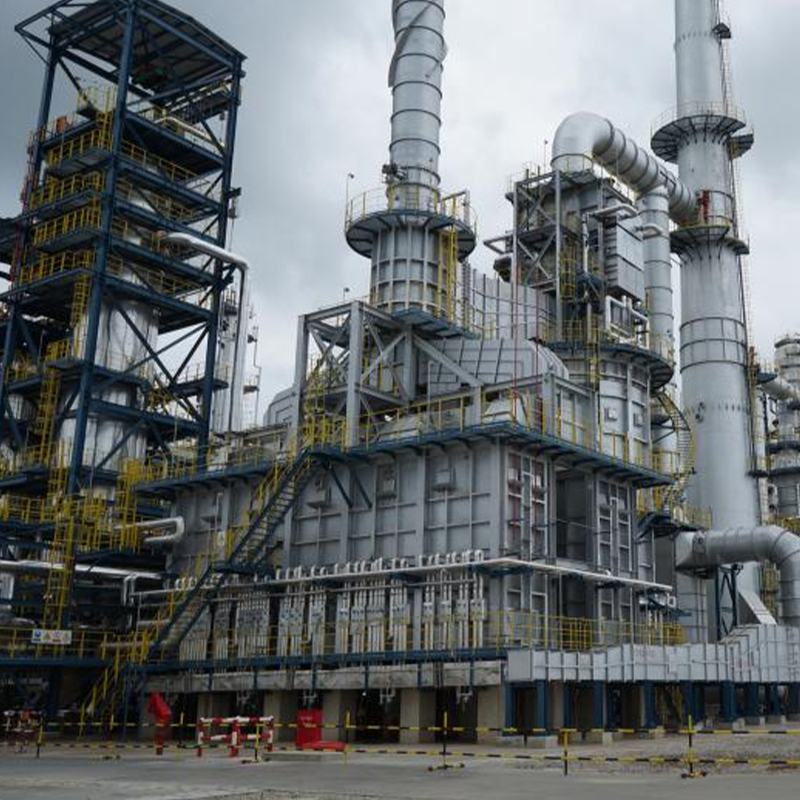
Our Diesel Hydrotreating Fired Heater is specifically engineered for high-efficiency heating in diesel hydrofining processes. It ensures precise temperature control and uniform heat distribution, enab...
See Details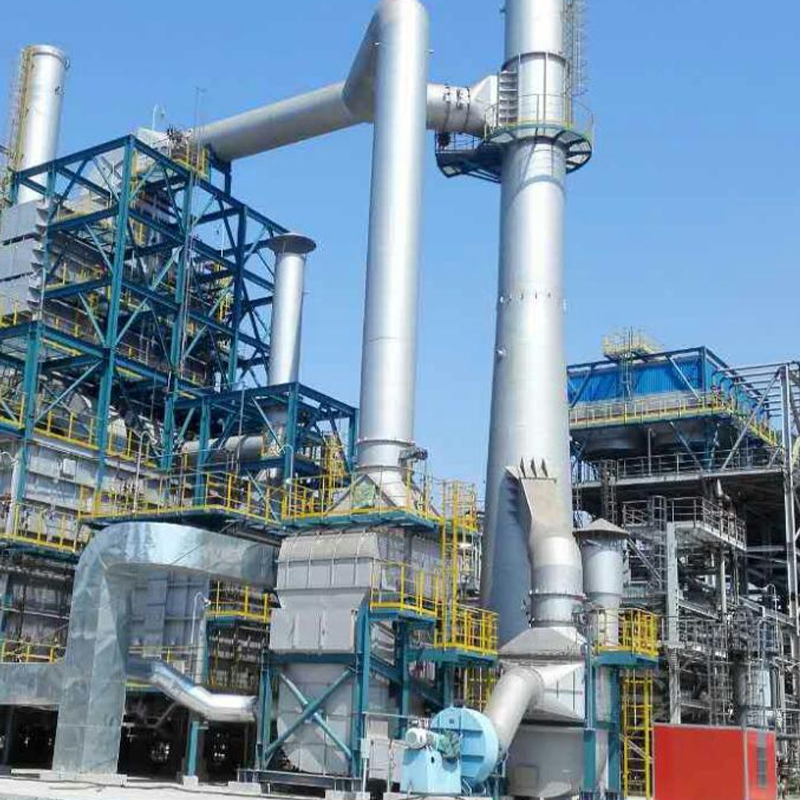
The High-Sulfur Coal Fired Heater by Tuopu Industry is a heavy-duty industrial heating furnace specially designed for processes using high-sulfur coal or sulfur-rich solid fuels. The furnace ensures s...
See DetailsPhone
+86 189 5262 7611
+86-(0)523 8498 2299
Address
No.20, Fuyang Road, Jingjiang City, Jiangsu Province, China
Media