
 English
 русский
 فارسی
فارسی

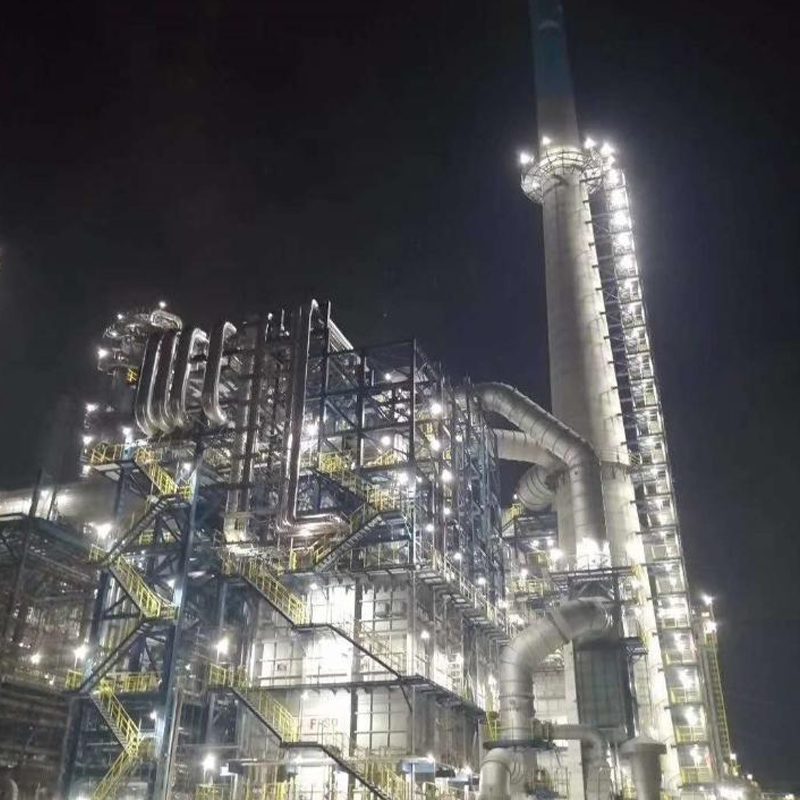
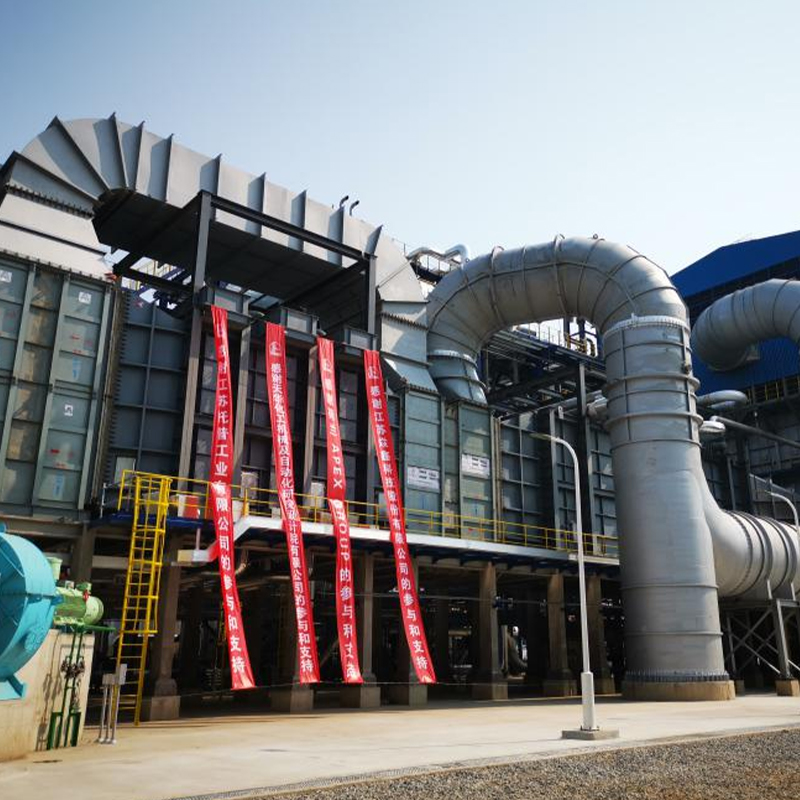
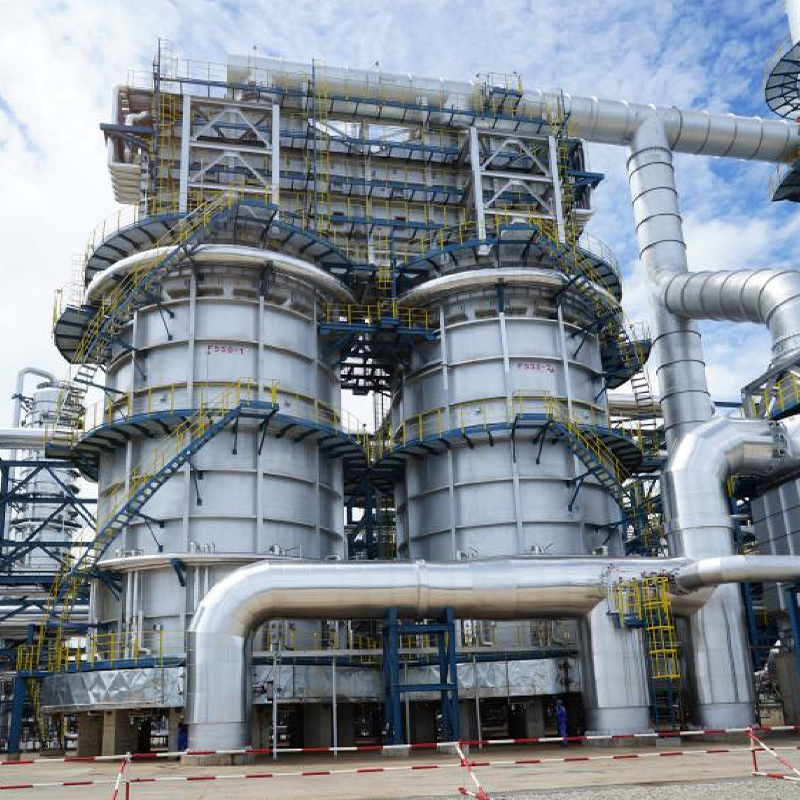
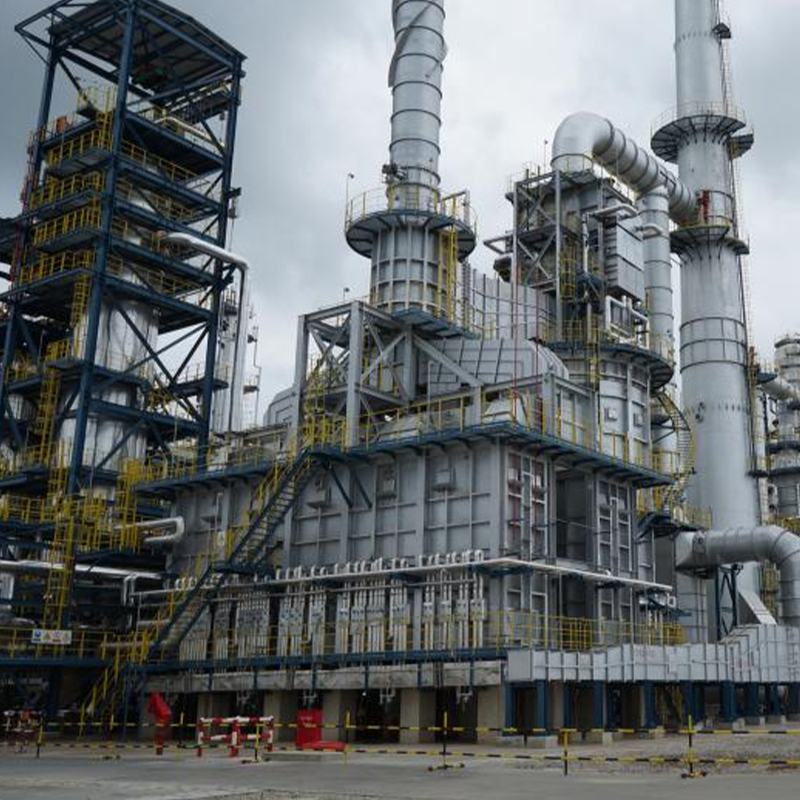
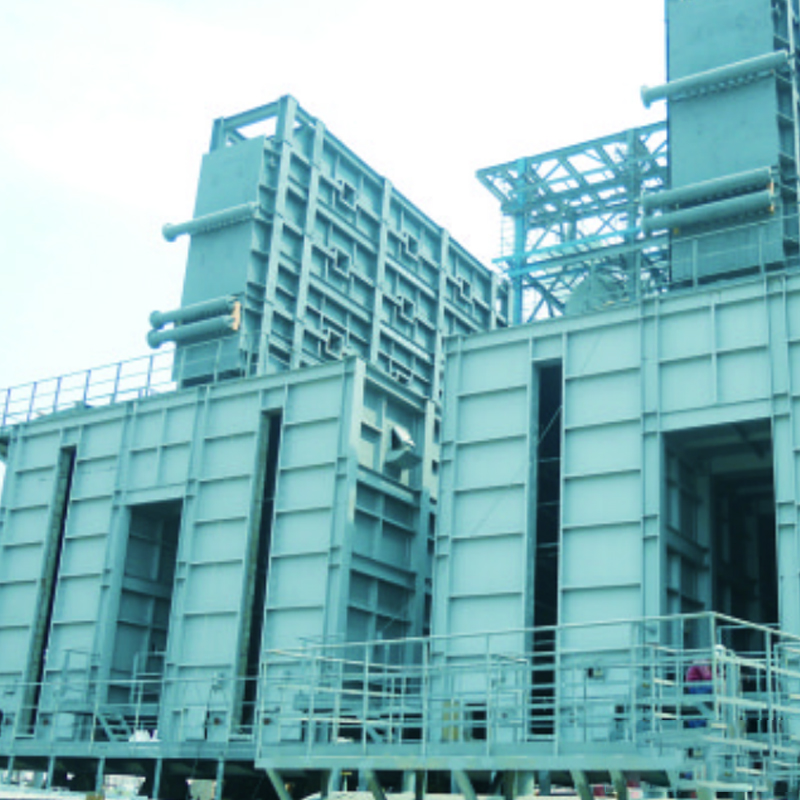
The Propane Dehydrogenation Furnace (PDH Furnace) is specifically engineered to provide stable, high-temperature heat for propane dehydrogenation processes in petrochemical plants. The furnace ensures...
See Details
2026-08-07
Content
A fired heater for an oil refinery is the core thermal equipment that burns fuel gas or fuel oil to raise the temperature of process fluids flowing through tubular coils inside the furnace. It supplies the precise, controllable heat needed for crude distillation, hydrocracking, delayed coking, catalytic reforming and hydrotreating, and it typically reaches a thermal efficiency of 85 to 92 percent when the radiant and convection sections are properly designed.
Combustion takes place at the bottom of the furnace, and hot flue gas rises through two connected zones before leaving the stack. Process fluid enters through the convection tubes, absorbs residual heat from the flue gas, then passes into the radiant coil where the highest heat flux occurs.
Fuel gas or fuel oil ignites at the floor or wall burners, generating flue gas temperatures that can exceed 1300 degrees Celsius near the flame zone.
The radiant coil, made from centrifugally cast alloy tubes, absorbs heat mainly through radiation, reaching tube metal temperatures of 850 to 1000 degrees Celsius.
Finned convection tubes recover residual heat from the rising flue gas before it exits the stack, which is a critical factor for overall thermal efficiency.
Heated fluid exits the coil through the outlet manifold and collector, connected by tube sheet fittings that route the stream to the downstream reactor or column.
Heating and catalytic reactions occur simultaneously inside the reaction tube at 850 to 1000 degrees Celsius. Used for hydrocracking and catalytic reforming, where the heater works together with a catalyst tube system to sustain the reaction environment.
Raises hydrocarbon streams to a specific target temperature without triggering unwanted cracking reactions. Used for crude distillation and aromatics separation, where temperature uniformity across the coil directly affects product cut quality.
According to API 560 standards, common configurations include vertical cylindrical heaters, cabin horizontal coil heaters, box heaters with vertical tubes, and helical coil heaters. Vertical cylindrical heaters offer high heat transfer efficiency and uniform temperature distribution. Cabin horizontal coil heaters feature a compact footprint. Box heaters with vertical tubes allow easy maintenance access, while helical coil heaters minimize pressure drop and fouling potential in high-viscosity service.
Radiant and convection recovery together typically capture 85 to 92 percent of the fuel energy input, with the remainder lost through the stack and furnace casing. Improving convection section design and reducing excess air are the two most effective levers for narrowing this gap.
Each refinery process unit needs a fired heater engineered for its own temperature profile, fluid viscosity and coking tendency. The lineup below covers the most common units found across a modern refinery.
Fuel and energy consumption dominate the running cost of a fired heater, which is why combustion control and convection section cleanliness have an outsized effect on refinery economics.
| Product Name | Application Unit | Core Function |
| Fired Heater for CDU and VDU | Crude Distillation Unit | Heating crude oil to distillation temperature for component separation |
| Hydrocracking Fired Heater | Hydrocracking Unit | Providing high-temperature heat source for heavy oil hydrocracking reactions |
| Residue Hydrocracking Heater | Residue Hydroprocessing Unit | Processing high-sulfur, high-metal residue to improve light oil yield |
| Hydrogen Generation Reformer | Hydrogen Production Unit | Delivering 1000 degree Celsius level heat for hydrocarbon steam reforming |
| Four-in-One Reforming Fired Heater | Catalytic Reforming Unit | Integrating multi-pass reaction heating to improve unit compactness |
| Delayed Coking Heater | Delayed Coking Unit | Heating heavy residue to cracking temperature for petroleum coke production |
| Diesel Hydrotreating Fired Heater | Diesel Hydrotreating Unit | Preheating feedstock for hydrodesulfurization and denitrification reactions |
| Sulfur Incinerator Furnace | Sulfur Recovery Unit | Incinerating sulfur-containing off-gas to meet environmental standards |
Coking is caused primarily by excessive tube wall film temperature, low fluid velocity, and extended residence time inside the radiant coil. For every 20 to 25 degree Fahrenheit increase in film temperature, the coking rate approximately doubles, which is why film temperature control matters more than average bulk temperature.
Relative coking rate multiplier as film temperature rises above design point
Prevention includes increasing mass velocity to lower film temperature, injecting steam to reduce coking rate by roughly 16 percent, and adopting small-flame multi-burner arrangements to smooth out heat flux across the reaction tube surface.
HP series centrifugal casting furnace tube grades such as HP-50 and HP-Plus remain stable above 950 degrees Celsius, offering high-temperature creep resistance and anti-carburization for both the radiant coil and the reaction tube.
Finned convection tubes balance heat resistance against flue gas corrosion, supporting efficient waste heat recovery over the full operating cycle.
The manifold, collector and tube sheet form the connection network between coil passes, distributing flow evenly and preventing localized overheating at each furnace part joint.
Lightweight refractory fiber modules replace traditional brick lining, offering superior insulation and faster installation during turnaround work.
Each one percent increase in excess air ratio raises fuel consumption by approximately 0.5 percent, with corresponding increases in NOx and CO2 emissions. Precise monitoring of flue gas oxygen content and tube wall temperature allows a fired heater to hit both combustion efficiency and emission targets at the same time. Low-NOx burners using staged combustion and flue gas recirculation can hold NOx emissions below 30 milligrams per normal cubic meter.
Startup and shutdown phases carry the highest safety risk in refinery operations. Reliable flame detection, automatic fuel shutoff, and ventilation interlock systems are standard requirements for engineering for fired heater projects, and the same safety logic applies to a fired heater for petrochemical industry service such as an ethylene cracking furnace or an EPC for ethylene cracking furnace scope.
Prioritize high-efficiency, highly automated heater configurations to control long-term operating cost. Use high-temperature alloy centrifugally cast tubes in the radiant coil, corrosion-resistant finned tubes in the convection section, and modular fiber refractory lining.
Focus on energy efficiency improvement potential and emission compliance pathways. Build a full tube wall temperature monitoring system, schedule regular combustion optimization tuning, and set a data-driven decoking schedule to extend the operating cycle.
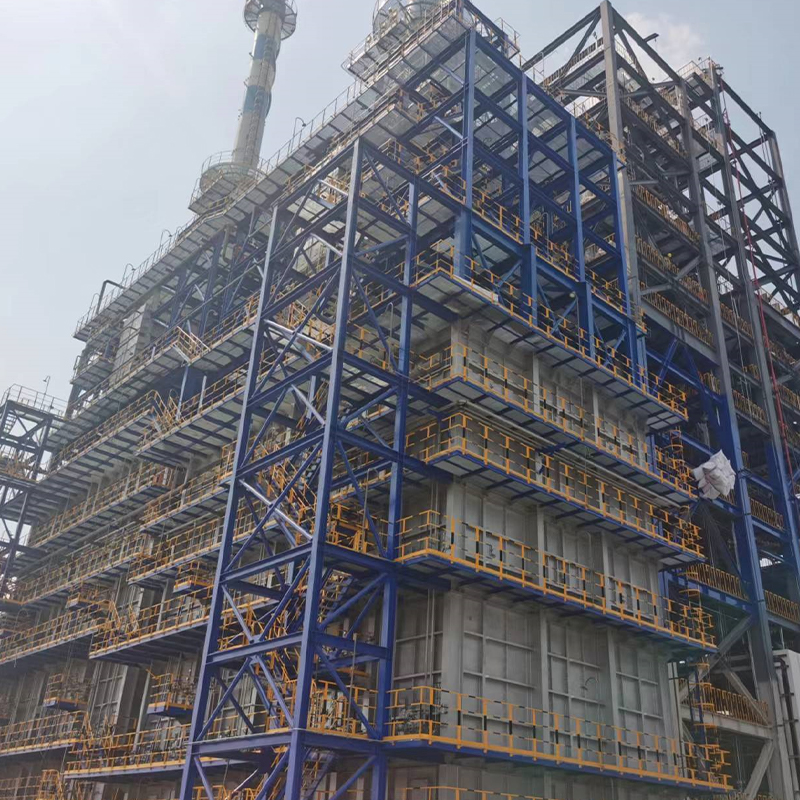
The Propane Dehydrogenation Furnace (PDH Furnace) is specifically engineered to provide stable, high-temperature heat for propane dehydrogenation processes in petrochemical plants. The furnace ensures...
See Details
Our Fired heater for ADU and VDU is engineered for reliable and efficient heating of crude oil in both atmospheric and vacuum distillation processes. Designed for high thermal efficiency and uniform t...
See Details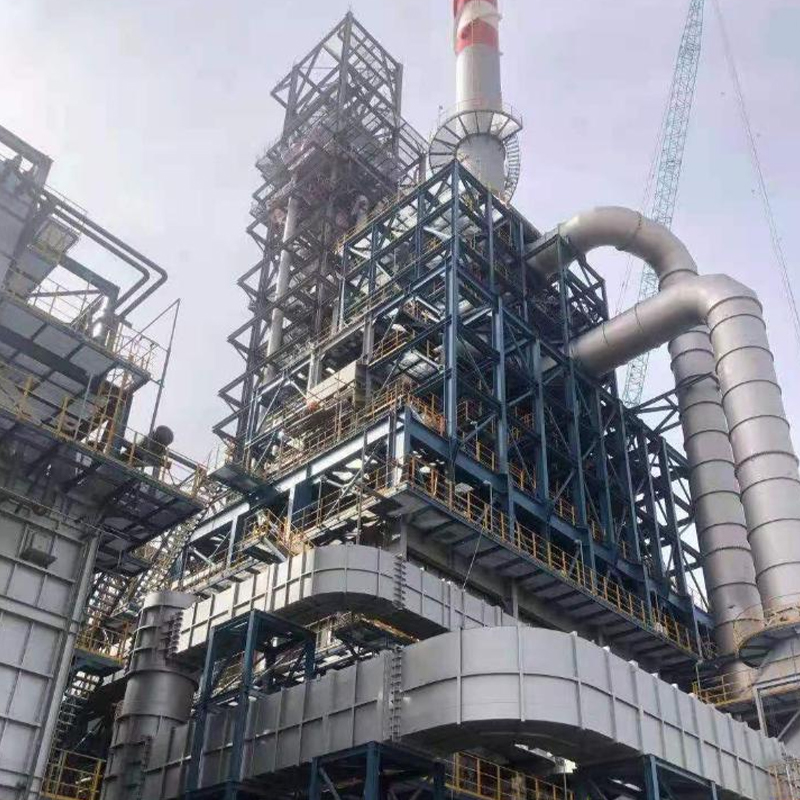
Our Four-in-One Reforming Fired Heater is a high-efficiency, advanced heating solution designed for modern petroleum refining and chemical processing operations. Engineered to optimize thermal perform...
See Details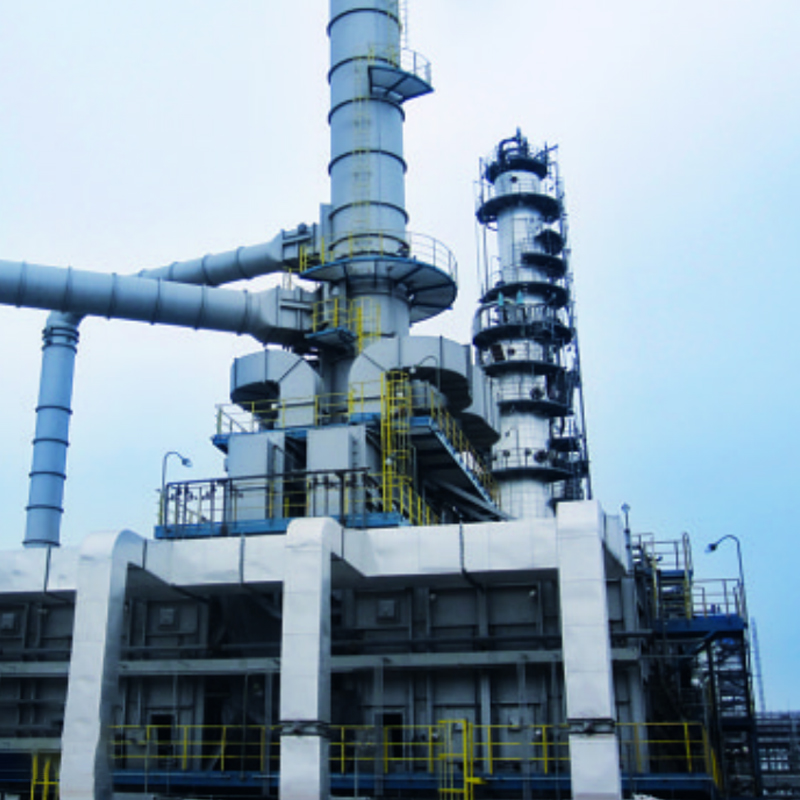
Our Heater for Visbreaking Unit is designed for efficient heating of heavy hydrocarbon feedstocks in viscosity reduction and cracking processes. By providing uniform, high-temperature heating, it ensu...
See Details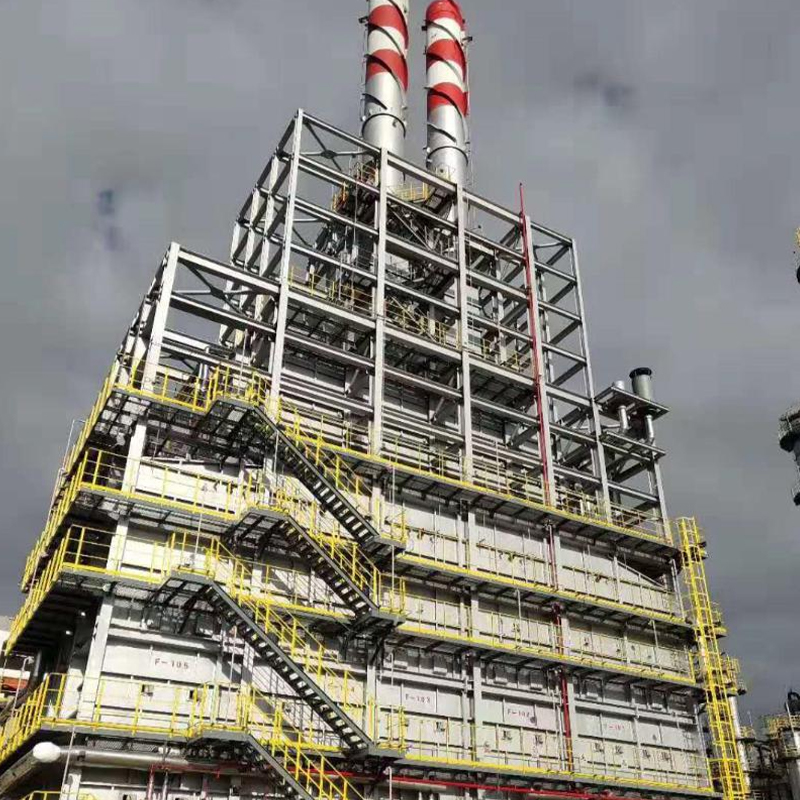
The furnace plays a critical role in maintaining high conversion rates, consistent product quality, and reliable long-term operation in petrochemical and chemical processing plants.By combining optimi...
See Details
Our Diesel Hydrotreating Fired Heater is specifically engineered for high-efficiency heating in diesel hydrofining processes. It ensures precise temperature control and uniform heat distribution, enab...
See DetailsPhone
+86 189 5262 7611
+86-(0)523 8498 2299
Address
No.20, Fuyang Road, Jingjiang City, Jiangsu Province, China
Media