
 English
 русский
 فارسی
فارسی

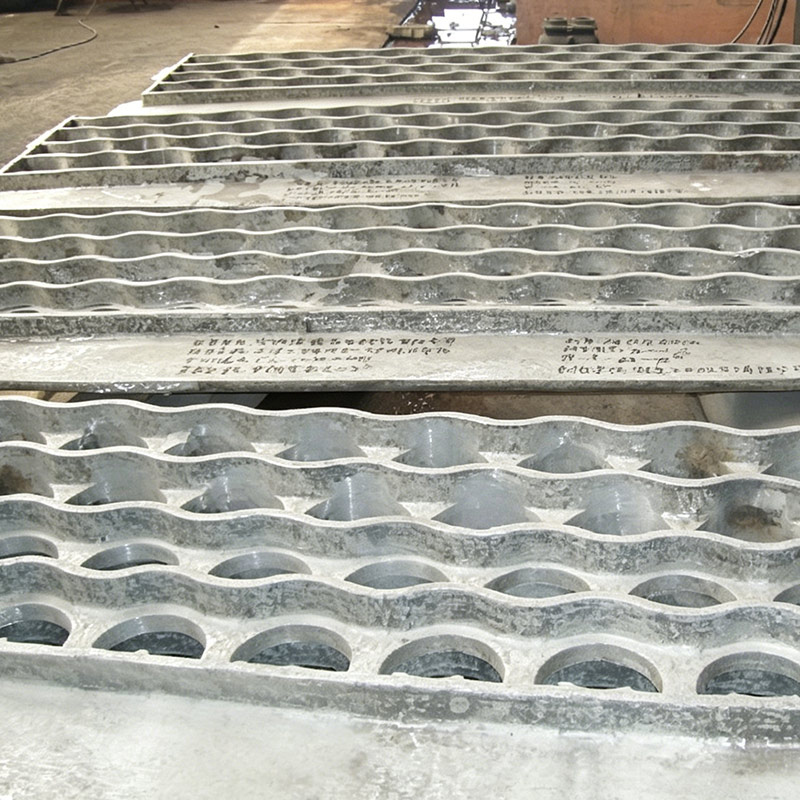
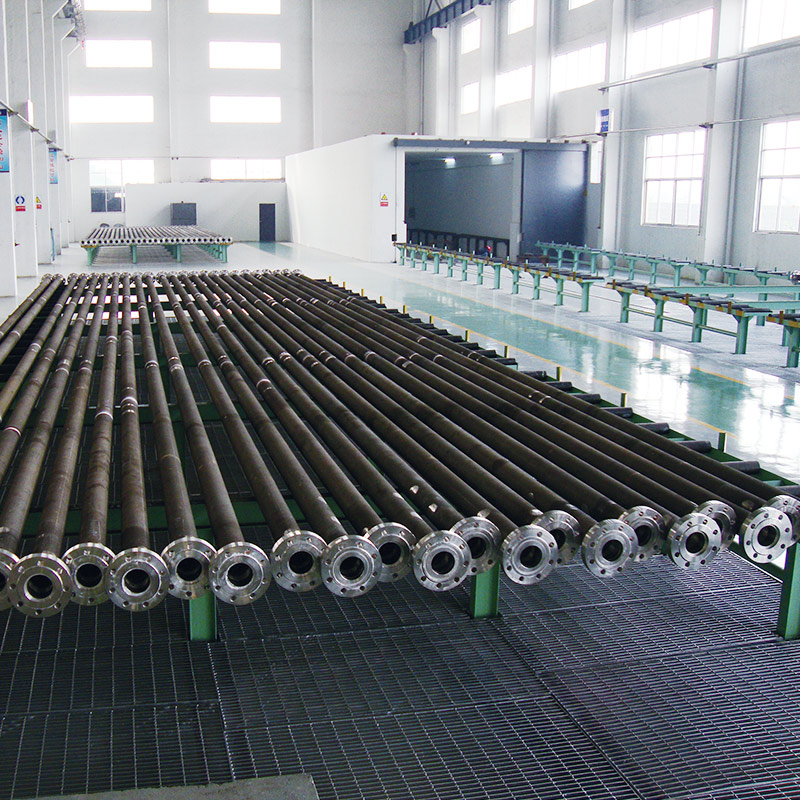
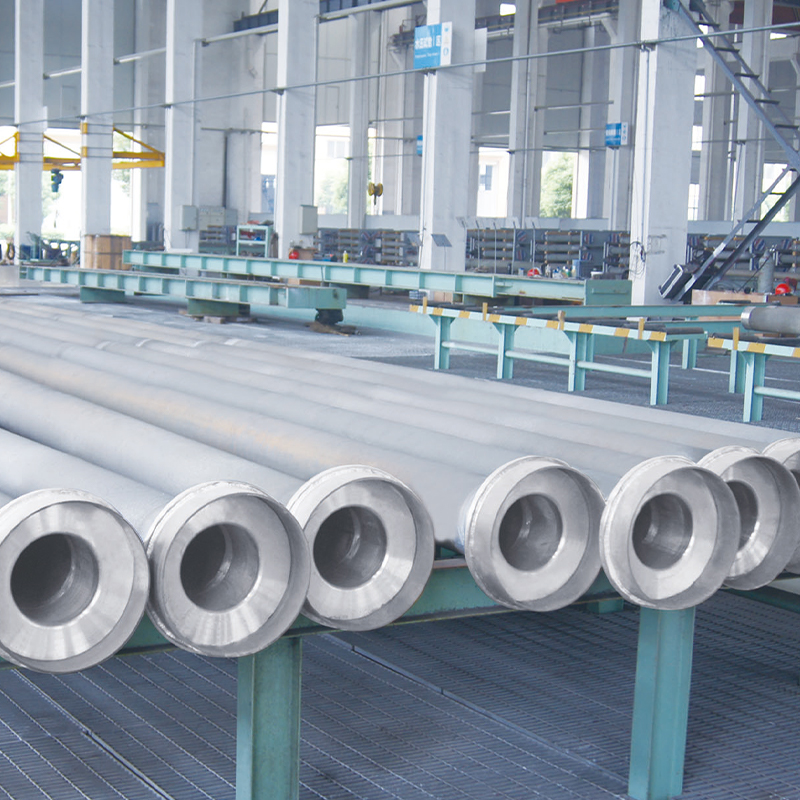
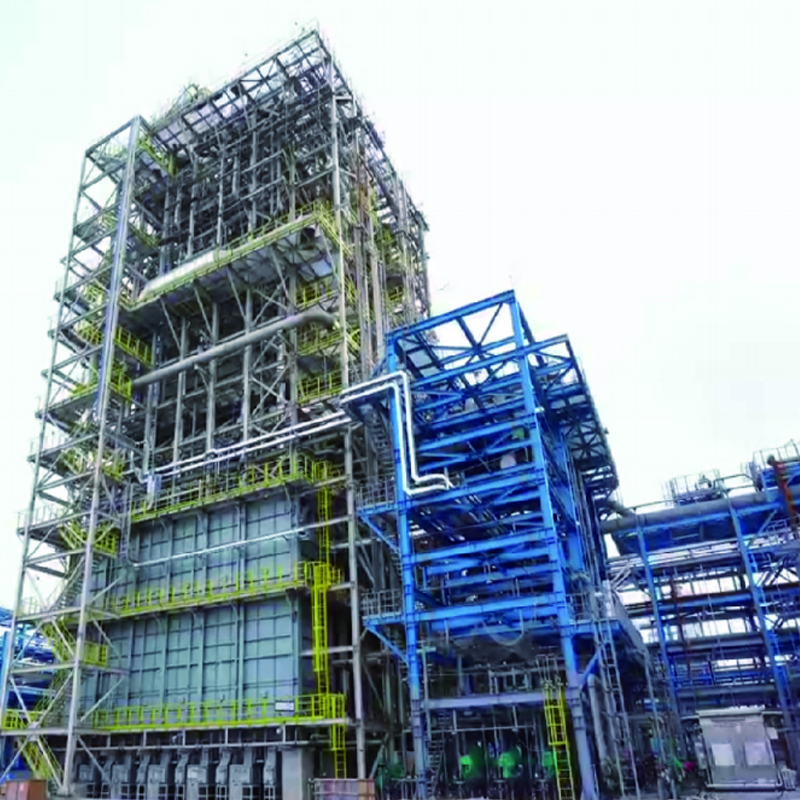
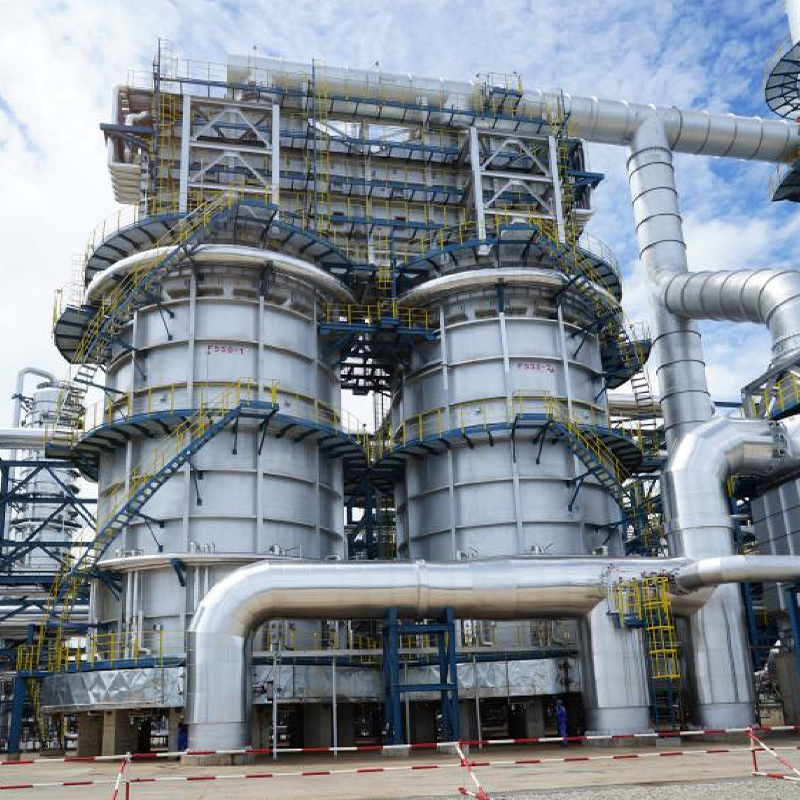
Cracking Tube Series is engineered for high-temperature cracking furnaces in the petrochemical industry, providing exceptional thermal stability, corrosion resistance, and long-term operational reliab...
See Details
2026-07-17
Content
A cracking tube, also known as a radiant coil, is a centrifugally cast heat-resistant alloy pipe installed inside the radiant section of an ethylene pyrolysis furnace. Process feedstock and steam pass through this coil while the furnace fires around it, and the tube wall transfers extreme heat into the flowing gas so that hydrocarbon molecules break apart into ethylene, propylene, and other lower-weight olefins. In short, the cracking tube is the physical reactor wall where thermal cracking actually happens.
An ethylene cracking furnace is generally divided into two zones: the convection section, where feed and steam are preheated by flue gas, and the radiant section, where the cracking tube is suspended vertically and exposed directly to burner flames. The radiant coil is bent into a serpentine or U-shaped configuration and connected by return bends, allowing a long reaction path to fit inside a compact firebox. Outlet temperatures at the coil exit typically reach 1050 to 1150 degrees Celsius, while the tube skin itself can run even hotter, which is why material selection is the single most important design decision for this component.
Because the coil operates at the edge of what metal can withstand, cracking tubes are manufactured from centrifugally cast nickel-chromium alloys rather than standard carbon steel. The casting process produces a fine, dense grain structure that resists creep deformation over years of continuous service.
| Parameter | Typical Range |
|---|---|
| Tube outer diameter | 60 mm to 180 mm |
| Wall thickness | 6 mm to 13 mm |
| Coil outlet temperature | 1050°C to 1150°C |
| Design service life | 3 to 11 years, feedstock dependent |
| Common alloy families | HP-Nb, HP-microalloyed, Incoloy-type castings |
It is easy to confuse the radiant coil with the convection section tubing, but the two components serve very different roles inside the same furnace.
| Feature | Radiant Coil (Cracking Tube) | Convection Coil |
|---|---|---|
| Location | Firebox, direct flame exposure | Upper flue-gas passage |
| Function | Drives the actual cracking reaction | Preheats feed and steam |
| Material | Centrifugally cast heat-resistant alloy | Standard or low-alloy steel |
| Operating temperature | Above 1000°C at outlet | Generally under 600°C |
Beyond the radiant coil itself, a complete cracking furnace relies on several matched tubular components, from reformer tubes to tube sheets, all manufactured to the same alloy and dimensional standards for a consistent thermal system.
A selection of related centrifugally cast furnace components engineered for petrochemical, refining, and DRI applications.
Radiant coils are not limited to a single process; they are used wherever hydrocarbons must be broken down under controlled high-temperature conditions.
Selecting a suitable radiant coil starts with the feedstock and the furnace's designed run length between decoking cycles. Lighter feedstocks such as ethane generally allow longer run lengths and can tolerate a narrower tube bore, while heavier feedstocks like naphtha produce more coke and often call for larger diameters and alloys with stronger anti-coking surface treatment. Wall thickness must also account for stress rupture life at the maximum design temperature, since even a small increase in skin temperature can significantly shorten service life. Buyers should confirm centrifugal casting quality, chemical composition certificates, and dimensional inspection reports before installation.
Cracking tubes degrade primarily through carburization, creep, and coke-related stress rather than sudden failure, so scheduled inspection is essential. Regular decoking, whether by steam-air burn or mechanical pigging, keeps the inner surface clear and prevents excess coke from insulating the tube wall and forcing higher firing rates. Periodic wall-thickness measurement and metallurgical sampling help operators plan tube replacement before an unplanned shutdown occurs, protecting both safety and production continuity.
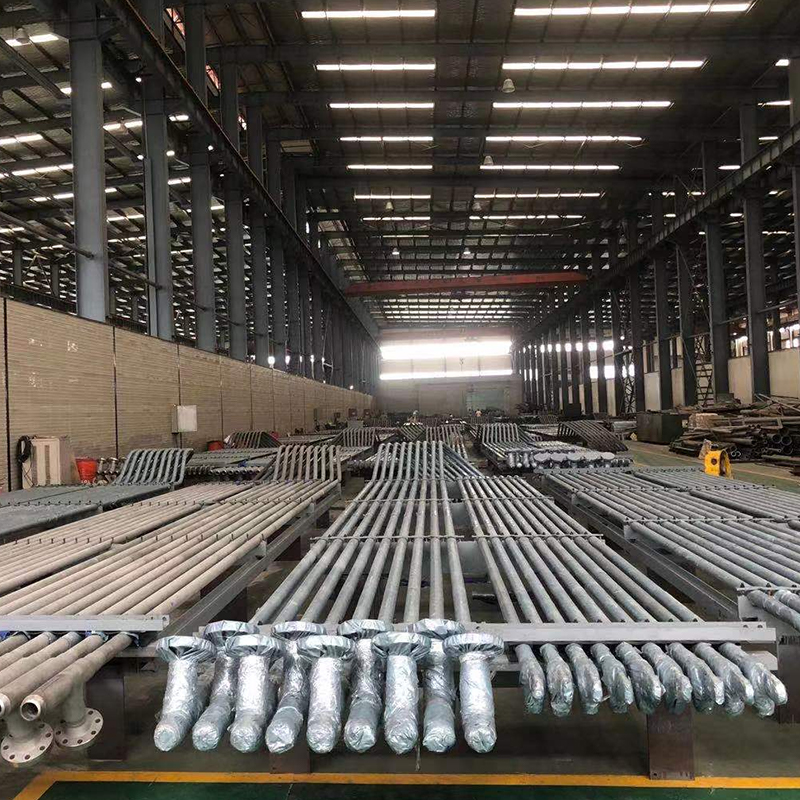
Cracking Tube Series is engineered for high-temperature cracking furnaces in the petrochemical industry, providing exceptional thermal stability, corrosion resistance, and long-term operational reliab...
See Details
Cast tube sheets have good heat resistance and structural integrity, and are commonly used in industries such as petrochemicals, fertilizers, and power plant. It is recommended to use heat-resistant s...
See Details
The Ethylene Cracking Furnace is a high-performance industrial furnace designed for ethylene production via pyrolysis of hydrocarbons. The furnace delivers precise and uniform high-temperature heat re...
See Details
Tuopu’s Reformer Tube is designed for high-temperature chemical reactions in industrial furnaces, ensuring efficient heat transfer, structural integrity, and long-term operational stability. These tub...
See Details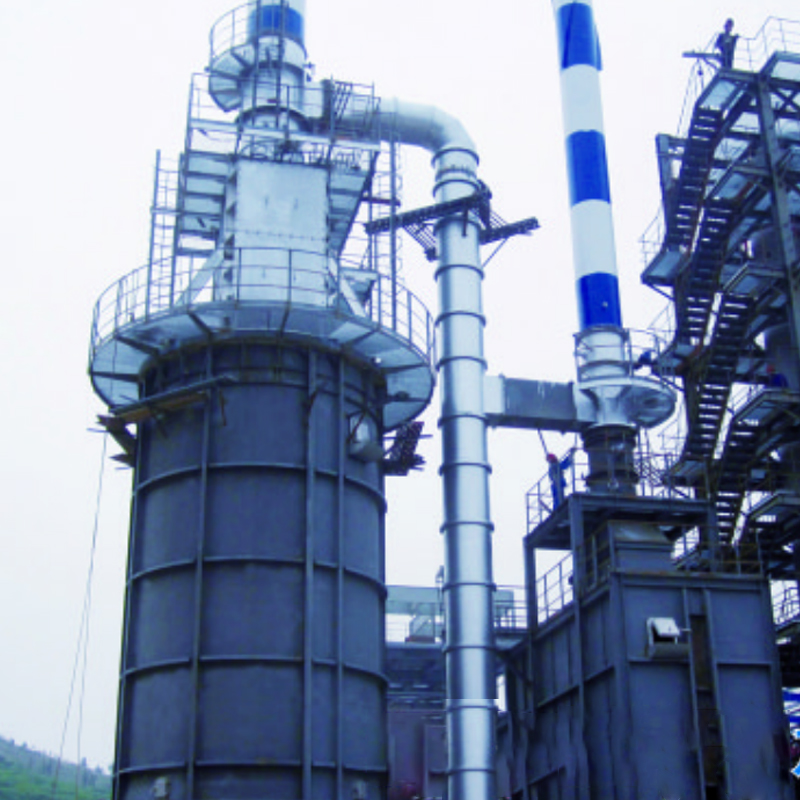
Our Hydrotreating Feed Furnace is engineered to provide precise and stable heating for feedstocks entering hydrogenation reactors. By ensuring uniform preheating and optimal temperature control, it ma...
See Details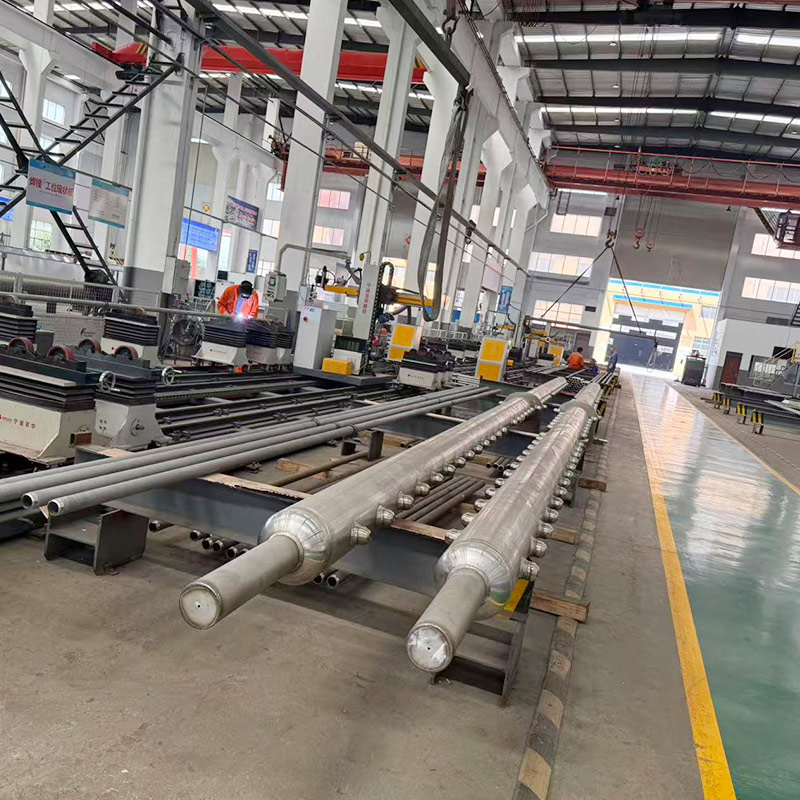
The outlet manifold collectors high-temperature converted gas (H₂+CO+CO ₂+CH ₄) from multiple radiation tubes, with a temperature of up to 700-900 °C, and needs to withstand thermal stress and hydroge...
See DetailsPhone
+86 189 5262 7611
+86-(0)523 8498 2299
Address
No.20, Fuyang Road, Jingjiang City, Jiangsu Province, China
Media