
 English
 русский
 فارسی
فارسی

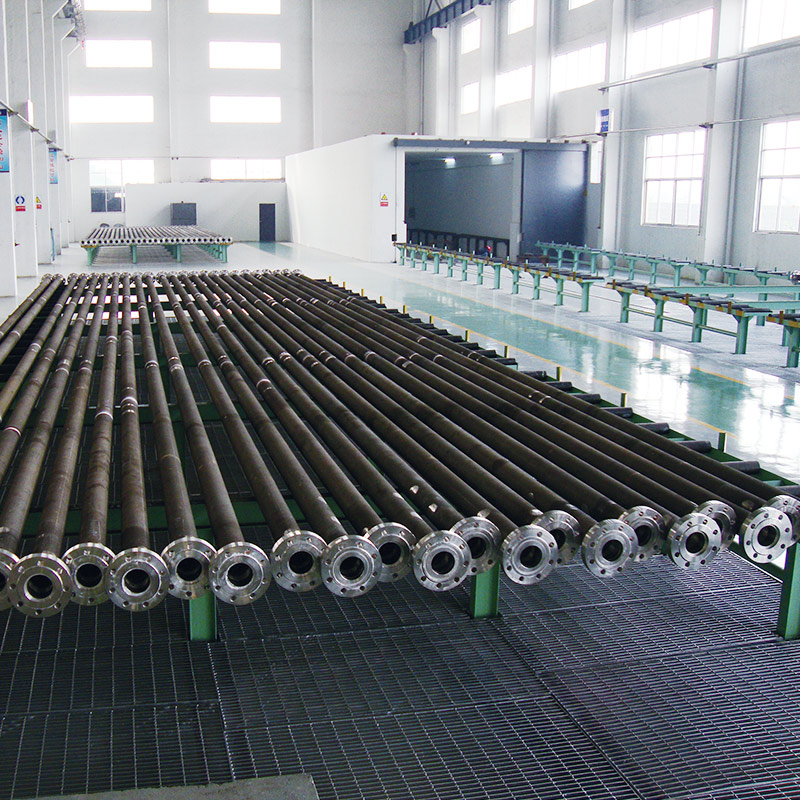
Tuopu’s Reformer Tube is designed for high-temperature chemical reactions in industrial furnaces, ensuring efficient heat transfer, structural integrity, and long-term operational stability. These tub...
See Details
2026-07-10
Content
A reformer tube is a centrifugally cast, heat-resistant alloy pipe installed inside the radiant section of an industrial reforming furnace. It carries a mixture of process gas and steam over a catalyst bed, absorbing heat through its wall so that hydrocarbons convert into hydrogen-rich syngas at temperatures that typically reach 800 to 900 degrees Celsius. In short, the reformer tube is both the pressure boundary and the heat-transfer surface that makes catalytic reforming possible.
Inside a hydrogen generation reformer, dozens or even hundreds of these tubes hang vertically in the furnace, packed with nickel-based catalyst. Burners surrounding the tube bank raise the outer wall temperature well above the internal gas temperature, driving the steam reforming reaction as the mixture flows downward through the catalyst. Because the tube wall is exposed to extreme heat on one side and high-pressure reactive gas on the other, the component must resist creep deformation, carburization, and thermal fatigue for years without failure.
Engineers sometimes refer to the same component as a catalyst tube, since it physically holds the catalyst charge, or as a reaction tube, since the conversion reaction happens inside it. All three terms describe the same physical part in a reforming furnace, though catalyst tube is more common in general chemical processing and reaction tube in academic or process-engineering contexts.
Reformer tube design is governed by a narrow but demanding set of operating parameters. Typical ranges seen in hydrogen and syngas plants include the following.
| Parameter | Typical Range |
| Internal process gas temperature | 750 to 900 degrees Celsius |
| Outer tube wall temperature | Up to 1000 to 1050 degrees Celsius |
| Design pressure | 2.0 to 4.5 MPa |
| Outer diameter | 100 to 180 millimeters |
| Wall thickness | 10 to 20 millimeters |
| Design service life | 80,000 to 100,000 hours, roughly 9 to 11 years |
These figures vary by plant capacity, feedstock, and furnace design, so tubes are generally engineered per project rather than sold off a fixed catalog.
Four design characteristics separate a reliable reformer tube from one that fails prematurely.
Beyond the standard reformer tube, several related components are used across reforming, cracking, and DRI furnace systems. Each is engineered for a specific thermal and process environment.
Since these three names are often used interchangeably, the table below clarifies where each term is more commonly applied.
| Term | Common Usage |
| Reformer Tube | Used specifically in hydrogen generation and steam methane reforming furnaces |
| Catalyst Tube | Emphasizes the function of holding the catalyst bed, used broadly in chemical processing |
| Reaction Tube | Describes the tube from a process-engineering standpoint, focused on the conversion reaction itself |
Reformer tubes are core components wherever a process requires controlled high-temperature catalytic conversion inside a fired furnace.
Most reformer tubes are centrifugally cast from nickel-chromium heat-resistant alloys, since this casting method produces a fine, uniform grain structure that resists creep better than wrought material. Common alloy families include modified HP grades reinforced with niobium and micro-alloying elements such as titanium or zirconium, which improve high-temperature strength and extend service life under continuous thermal cycling.
Choosing a reformer tube is a project-specific engineering decision rather than a catalog purchase. The following factors typically guide the selection process.
How long does a reformer tube typically last? Under proper operating conditions, a well-manufactured reformer tube usually reaches a design life of 80,000 to 100,000 operating hours, roughly nine to eleven years, before replacement is recommended.
Can reformer tube dimensions be customized? Yes. Diameter, length, wall thickness, and alloy composition are commonly tailored to match the specific furnace design and process requirements of each project.
What causes premature reformer tube failure? The most frequent causes are localized overheating from uneven firing, carburization from prolonged exposure to carbon-rich atmospheres, and creep damage accumulated from operating above design temperature.
Tuopu’s Reformer Tube is designed for high-temperature chemical reactions in industrial furnaces, ensuring efficient heat transfer, structural integrity, and long-term operational stability. These tub...
See Details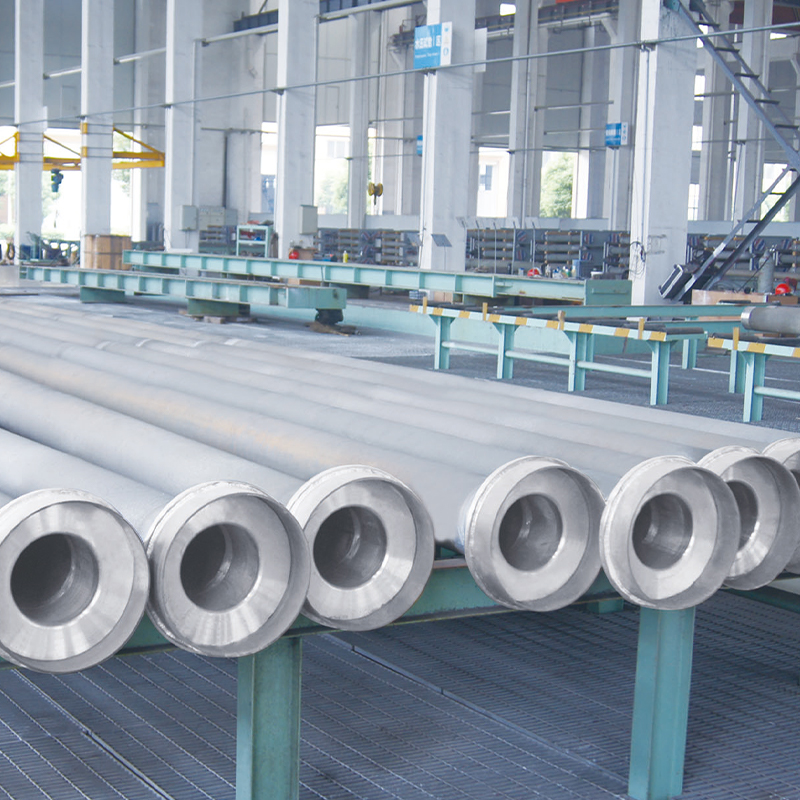
Tuopu’s DRI Furnace Tube Series is specially designed for Direct Reduced Iron (DRI) furnaces, offering superior heat resistance, mechanical strength, and long-term operational stability. Manufactured ...
See Details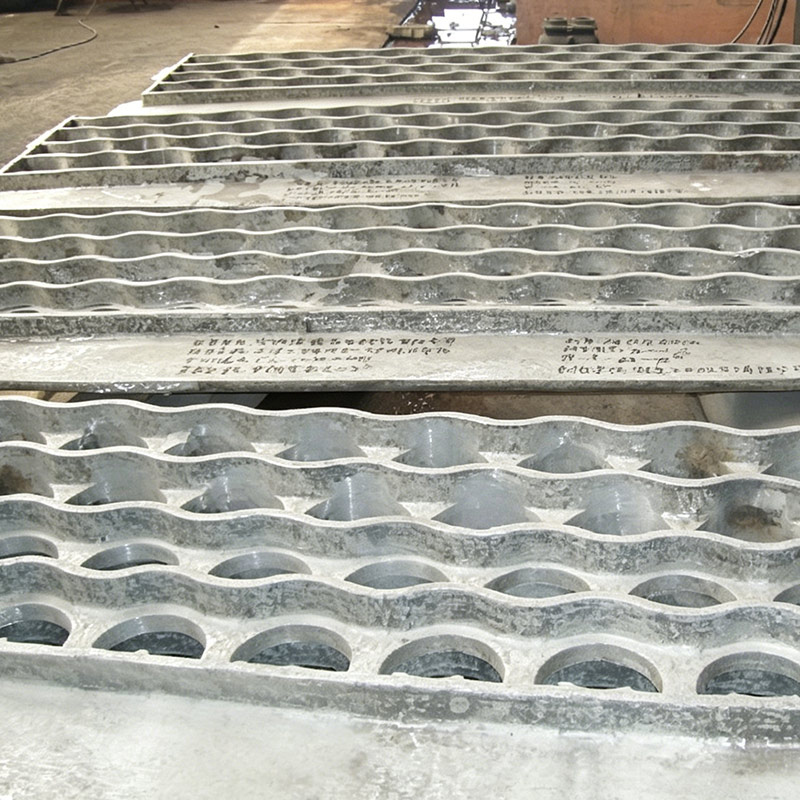
Cast tube sheets have good heat resistance and structural integrity, and are commonly used in industries such as petrochemicals, fertilizers, and power plant. It is recommended to use heat-resistant s...
See Details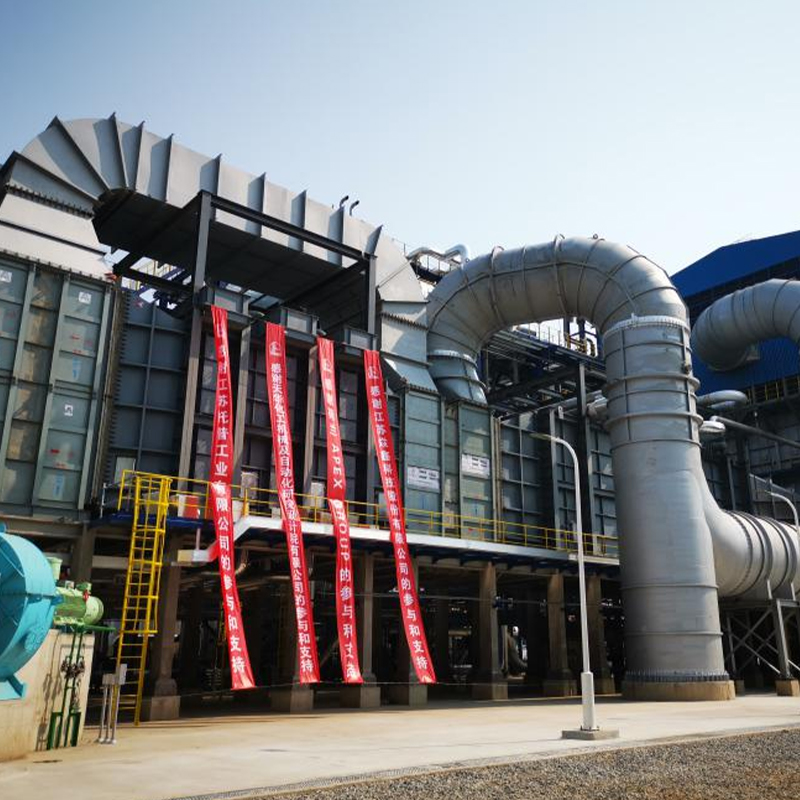
Our Hydrogen Generation Reformer is specially designed to provide precise and reliable heating for hydrogen production processes in refineries and petrochemical plants. It ensures stable feedstock pre...
See Details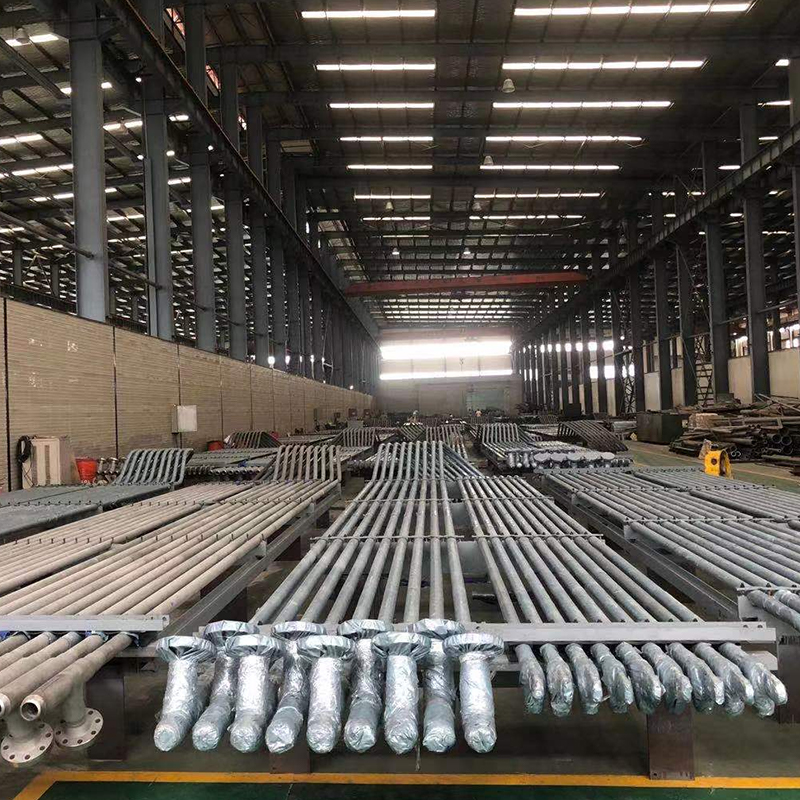
Cracking Tube Series is engineered for high-temperature cracking furnaces in the petrochemical industry, providing exceptional thermal stability, corrosion resistance, and long-term operational reliab...
See Details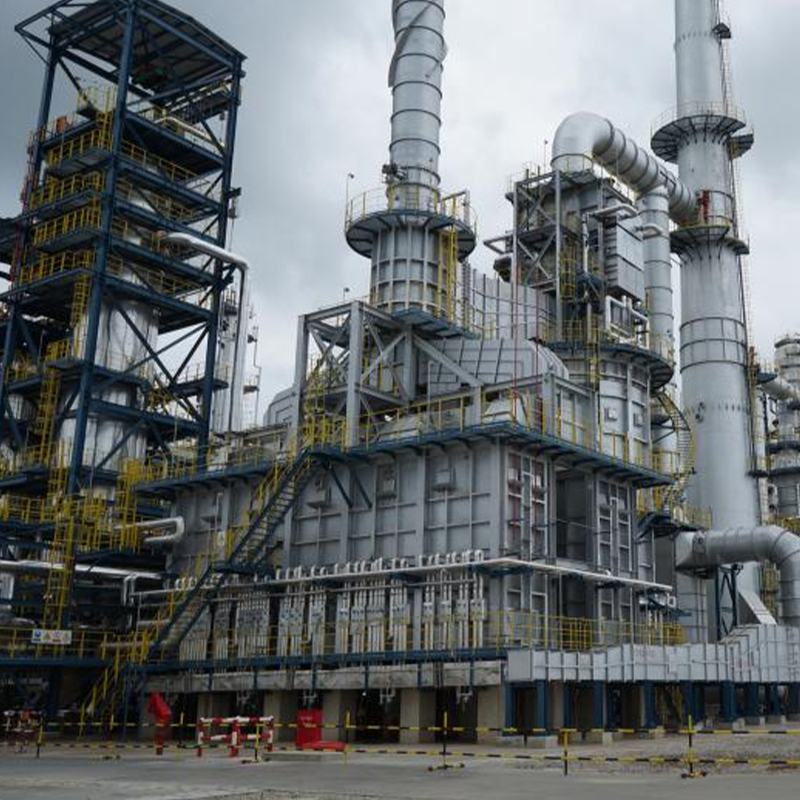
Our Diesel Hydrotreating Fired Heater is specifically engineered for high-efficiency heating in diesel hydrofining processes. It ensures precise temperature control and uniform heat distribution, enab...
See DetailsPhone
+86 189 5262 7611
+86-(0)523 8498 2299
Address
No.20, Fuyang Road, Jingjiang City, Jiangsu Province, China
Media