
 English
 русский
 فارسی
Cast tube sheets have good heat resistance and structural integrity, and are commonly used in industries such as petrochemicals, fertilizers, and power plant. It is recommended to use heat-resistant s...
See Details Home / News / Industry News / Tube Sheet Guide: Design, Materials, Welding and Sourcing Checks for Heaters

2026-11-06
Content
A tube sheet order usually begins as one line on a drawing and ends up as the item that decides whether an exchanger passes hydro the first time. A tube sheet is the perforated plate that separates the shell side from the tube side in a shell-and-tube exchanger, boiler or air preheater. It does three jobs at once: it forms part of the pressure boundary, it locates and supports every tube at the right pitch, and it carries the pass partition plates, the gasket seating surface and, in many designs, the channel bolting. Thickness, hole pattern and joint detail are all locked in at the drawing stage, which is why small decisions there echo through the whole service life of the equipment.
The plate works under loads that pull in different directions at the same time. Internal pressure pushes across it, thermal expansion of tubes and shell pushes and pulls at each hole, and mechanical loads from connected piping and from tube pulling during maintenance act on the rim and the ligaments between holes. A fixed tube sheet absorbs all of that in one component, while a U-tube or floating head design shifts part of the duty to the other end of the bundle. That is why a fixed design usually needs more thickness, a more forgiving joint detail and a closer look at differential expansion.
Where the plate also divides passes, the partition groove and sealing strip matter as much as the holes. A shallow groove or a plate that is not flat will pass a cold hydro test and still seep once the unit reaches operating temperature and the flange bolts relax.
Most specification arguments come down to a handful of numbers. They interact, so changing one usually forces a second change somewhere else.
| Parameter | Typical practice | What it changes |
|---|---|---|
| Plate thickness | Calculated per ASME or TEMA rules; commonly 25–100 mm in process exchangers | Pressure capacity, bolt length, flange size and shipping weight |
| Ligament efficiency | Often 30–50 percent of the pitch | Stress between holes and the minimum allowable pitch |
| Hole diameter and clearance | 0.2–0.4 mm diametral clearance over tube OD for expanded joints | Expansion force, leak tightness, ease of re-tubing |
| Tube pitch | 1.25 × tube OD is a common starting point | Ligament width, shell diameter, tube-side pressure drop |
| Hole surface finish | Roughness around Ra 3.2–6.3 µm in expanded holes | Grip during expansion and the risk of galling or tube scoring |
| Hole position and flatness | Pattern checked against drawing before and after drilling | Gasket seating, tube alignment, weld fit-up at the joint |
| Joint detail | Expanded, seal-welded or strength-welded | Inspection method, repair strategy, re-tube options |
Ligament efficiency is the number that catches buyers out. Tightening the pitch to shrink the shell diameter raises the stress between holes and may force a thicker plate, which then needs longer bolts and a heavier flange. The saving on shell plate disappears in the flange and in the lifting plan.
Material choice is a cost balance between corrosion allowance and fabrication difficulty. The routes below cover most petrochemical and refining work:
Drilling is where tolerance is either kept or lost. Multi-spindle CNC drilling followed by reaming holds hole position and diameter far better than drilling alone, and both faces need deburring before tubes are inserted. Seal-weld grooves are machined after drilling, not before. When a plate is weld-overlaid, the overlay should be applied before the holes are finished so the edges can be checked for dilution and porosity at the hole wall — a defect there is nearly impossible to repair once the bundle is built.
The joint type decides inspection access, repair options and how the unit behaves under thermal cycling:
Joint geometry matters just as much. Flush joints give a clean face for pigging but are harder to weld. Protruding tubes, typically 1.5–3 mm beyond the face, offer better welding access and a more inspectable joint. Recessed joints reduce crevice exposure on the process side but need careful depth control to avoid a thin ligament under the weld.
A tube sheet is easy to inspect and easy to fake, so the paperwork should travel with the plate:
Two tube sheets that look identical on a drawing can differ by 15 mm of thickness or 0.3 mm of hole clearance. When you issue an enquiry, attach the exchanger drawing and state the tube OD and wall, design pressure and temperature, applicable code, joint type, required non-destructive testing, and how the heat number must be transferred to the finished part. Ask for the dimensional report with the offer, not after shipment.
It also helps to state the maintenance philosophy. A plant that re-tubes in place every eight years should not accept a fully welded joint without discussing repair access first. If you are weighing a heater or exchanger package upgrade at the same time, the notes on fired heater selection are a useful companion read, because the same interface questions come up.
On a fired heater project, the tube sheet is rarely the headline item, but it sits on the same critical path as the heater tubes and manifolds. Producing them in one shop shortens that path. Tuopu manufactures furnace parts — tube sheets, manifolds, convection section modules and accessories — in the same 40,000 m² manufacturing base used for heater and reformer assembly, with 150 t lifting capacity and a roll-on/roll-off wharf less than 200 m from the workshop for export shipments. Hole patterns and manifold interfaces are checked against the assembly instead of being argued over between two suppliers.
 Custom Cast Steel Tube Sheets for High-Temperature FurnacesCast tube sheets in 2520 or Cr24Ni7 grades for fired heaters and high-temperature equipment, with hole patterns checked against the assembly.View Product →
Where the plate pairs with outlet headers or distribution piping, matching the manifold and the tube sheet as a set avoids fit-up problems on site.
 Stainless Steel Manifold Collectors for Furnace Inlet and OutletInlet and outlet manifold collectors in 304L, 316L, 347H or T91 for high-temperature and corrosive furnace service, matched with tube sheets.View Product →
For projects that include the whole convection section, prefabricated modules reduce field welding and let the tube sheet, coil and supports arrive as one inspectable package.
Both appear in engineering documents. Code and standards writing tends toward the single word, while drawings and purchase orders often use two. Pick one and keep it identical across the drawing, the PO and the material certificate, otherwise document control will treat them as different items.
Thickness is calculated from the design pressure, the ligament efficiency and the joint detail, then increased for corrosion allowance, grooving and pass partition depth. Process exchangers typically land between 25 and 100 mm, but high pressure and hydrogen service go well beyond that. Never accept a thickness quoted from a similar job without the calculation.
Choose expanded joints for moderate pressure, clean service and easy maintenance. Choose welded joints for high pressure, vacuum, hydrogen, toxic fluids and heavy cycling. Many plants specify an expanded joint with a seal weld as a middle path, accepting more inspection work in exchange for a smaller crevice.
Sometimes. The plate can go back into service if hole diameters, ovality and ligament thickness are still within tolerance, the sealing faces are flat, and non-destructive testing shows no cracks at the old welds. If holes must be reamed oversize or welds ground out repeatedly, replacement is usually cheaper than the risk.
The tube sheet is a small share of exchanger cost and a large share of its reliability, so it deserves more than a copied drawing. Send the tube size, code, joint detail and inspection requirements together, and ask for dimensional records before the plate leaves the shop — talk to our engineering team if you want the hole pattern and manifold interface reviewed against your assembly.
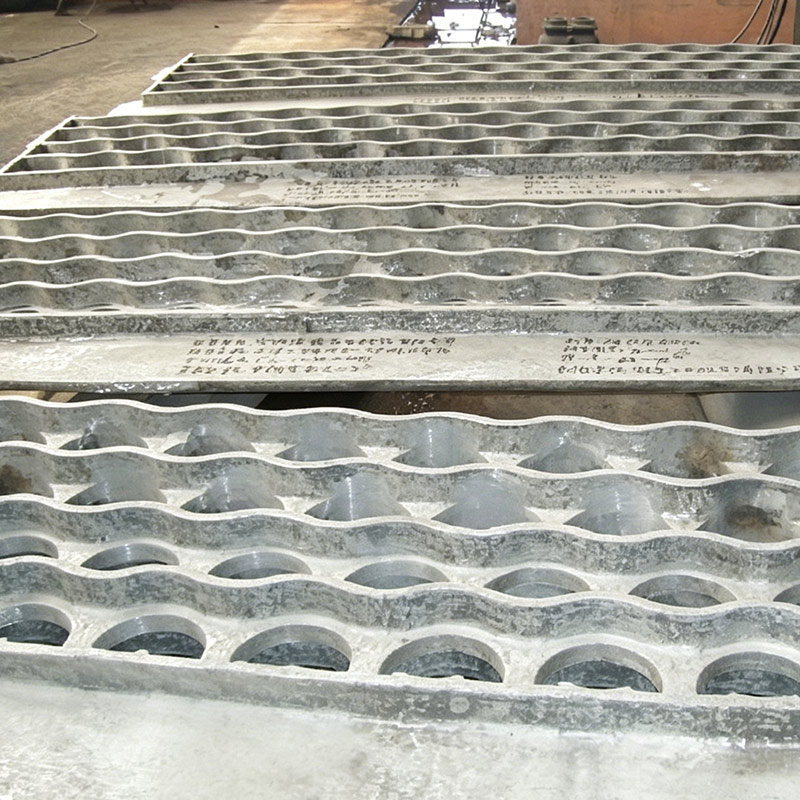
Cast tube sheets have good heat resistance and structural integrity, and are commonly used in industries such as petrochemicals, fertilizers, and power plant. It is recommended to use heat-resistant s...
See Details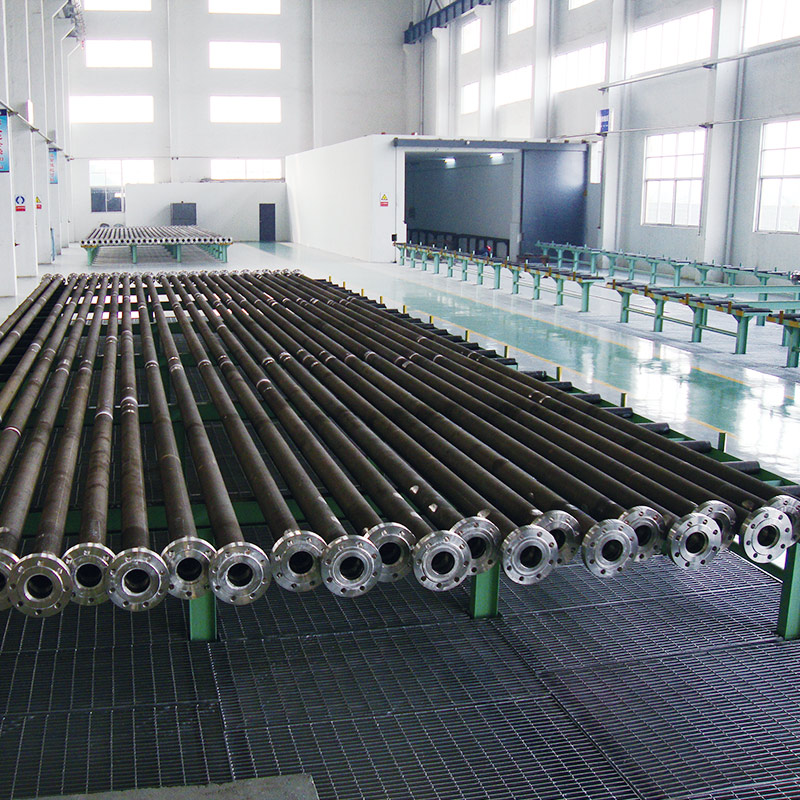
Tuopu’s Reformer Tube is designed for high-temperature chemical reactions in industrial furnaces, ensuring efficient heat transfer, structural integrity, and long-term operational stability. These tub...
See Details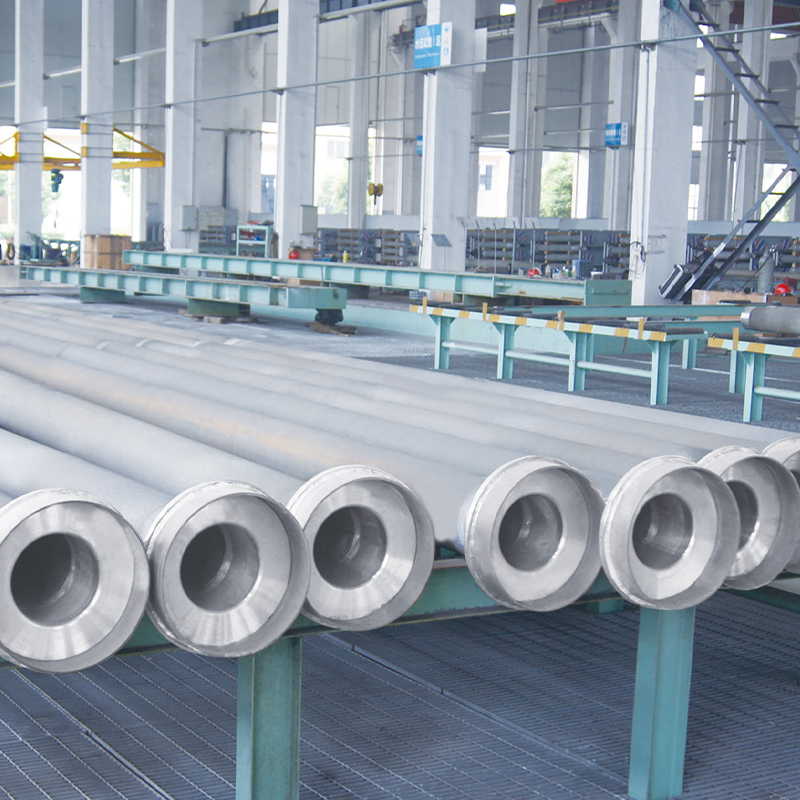
Tuopu’s DRI Furnace Tube Series is specially designed for Direct Reduced Iron (DRI) furnaces, offering superior heat resistance, mechanical strength, and long-term operational stability. Manufactured ...
See Details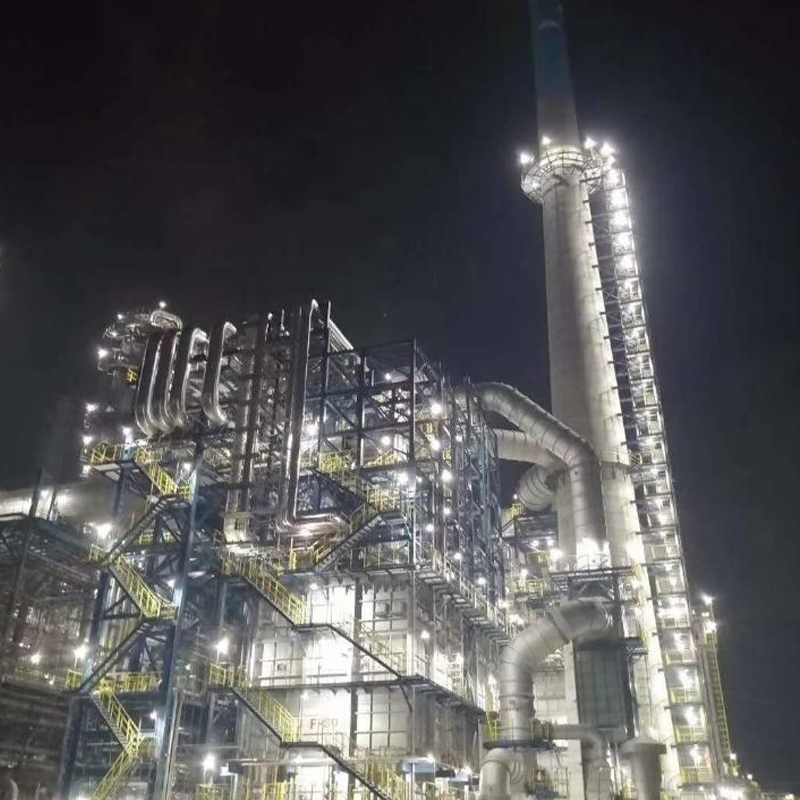
Our Fired heater for ADU and VDU is engineered for reliable and efficient heating of crude oil in both atmospheric and vacuum distillation processes. Designed for high thermal efficiency and uniform t...
See Details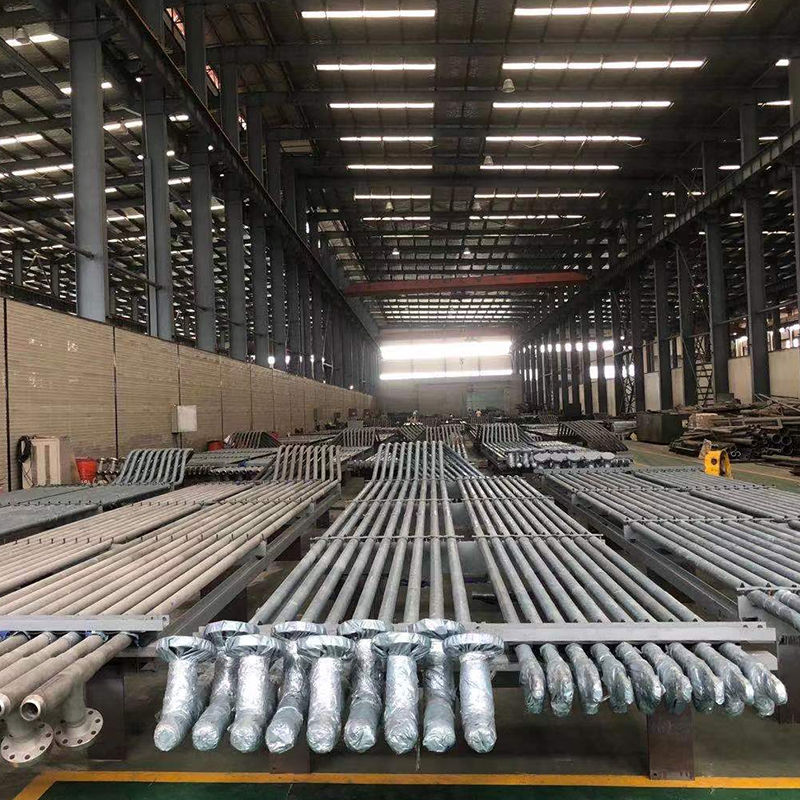
Cracking Tube Series is engineered for high-temperature cracking furnaces in the petrochemical industry, providing exceptional thermal stability, corrosion resistance, and long-term operational reliab...
See Details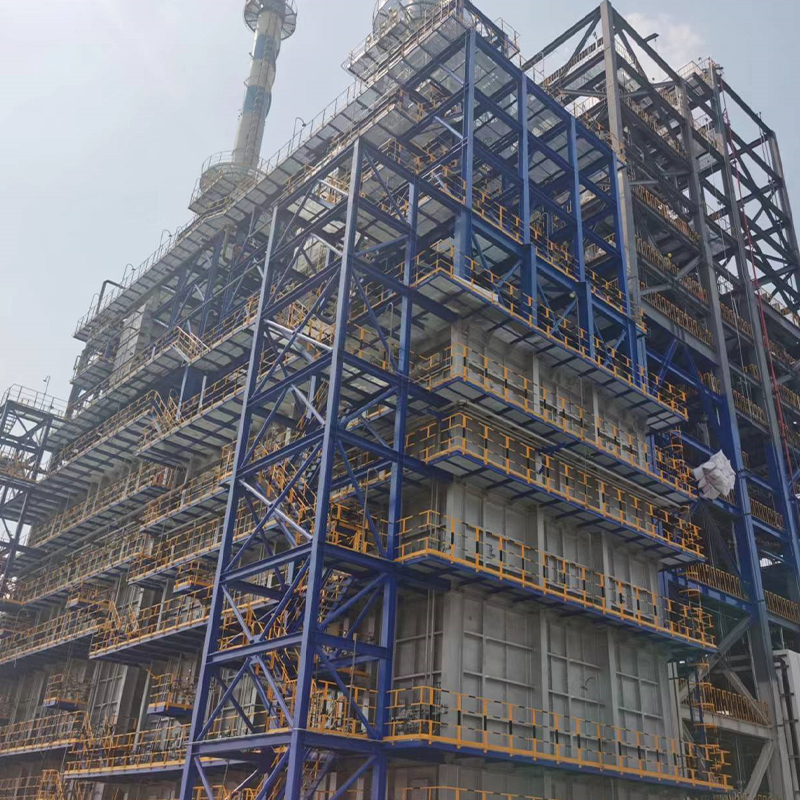
The Propane Dehydrogenation Furnace (PDH Furnace) is specifically engineered to provide stable, high-temperature heat for propane dehydrogenation processes in petrochemical plants. The furnace ensures...
See DetailsPhone
+86 189 5262 7611
+86-(0)523 8498 2299
Address
No.20, Fuyang Road, Jingjiang City, Jiangsu Province, China
Media