
 English
 русский
 فارسی
فارسی

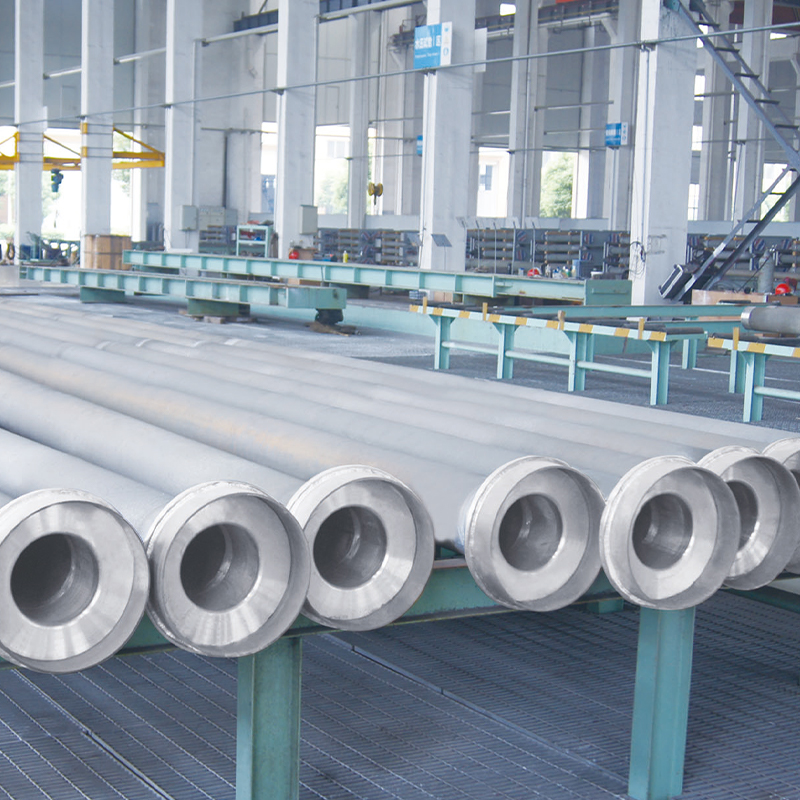
Tuopu’s DRI Furnace Tube Series is specially designed for Direct Reduced Iron (DRI) furnaces, offering superior heat resistance, mechanical strength, and long-term operational stability. Manufactured ...
See Details
2026-07-07
Content
Direct Reduced Iron processes convert iron ore into high-purity metallic iron through gas-based or coal-based reduction at temperatures below the melting point of iron. Gas-based shaft furnace processes dominate global DRI capacity.
| Process Type | Reductant | Reactor Form | Global Capacity Share | Temperature Range |
| Gas-Based Shaft Furnace | Natural Gas / Hydrogen | Shaft Furnace | 75.8% | 900-1050°C |
| Coal-Based Rotary Kiln | Non-coking Coal | Rotary Kiln | 24% | 900-1050°C |
| Gas-Based Fluidized Bed | Natural Gas | Fluidized Bed Reactor | 0.2% | Around 600°C |
| Rotary Hearth Furnace | Coal / Coke | Rotary Hearth Furnace | Minor Share | 1250-1350°C |
Gas-based shaft furnace processes lead the market due to high efficiency, low emissions, and flexible product forms. Tuopu Industry designs complete product lines specifically for gas-based shaft furnaces and associated reforming systems, covering the full supply chain from the reduction furnace body to reformer tube assemblies.
Reformer tubes serve as the core pressure-bearing components within reforming furnaces, operating under extremely severe conditions: internal temperatures exceeding 900°C, direct radiant heating from combustion flames on the exterior, high internal gas pressure, and mechanical abrasion from catalyst beds.
Primary failure modes of reformer tubes include creep deformation, thermal fatigue cracking, carburization embrittlement, and oxide scale spalling. Tuopu Industry addresses these risks through optimized alloy composition ratios, controlled casting cooling rates, and rigorous factory inspection protocols. As a first-level supplier for SINOPEC, PetroChina, and CNOOC, the company's products have demonstrated long-term stable operation across multiple DRI installations.
The DRI Furnace serves as the core reactor in gas-based direct reduction processes. Its structural design directly impacts reduction efficiency, energy consumption, and product metallization rate. Compared to conventional fired heaters, DRI furnaces differ fundamentally in process principles and structural design.
| Comparison Dimension | DRI Furnace | Conventional Fired Heater |
| Core Function | Iron ore direct reduction reactor | Material heating or chemical reaction heat supply |
| Gas-Solid Contact | Counter-current gas-solid contact | Radiation / convection heat exchange |
| Sealing System | Dynamic sealing system | Static sealing |
| Lining Structure | Refractory material lining | Refractory bricks or castables |
| Temperature Control | Precise control at 900-1050°C | Varies by process requirements |
| Product Form | Cold DRI, Hot DRI, Hot Briquetted Iron | No product form transformation |
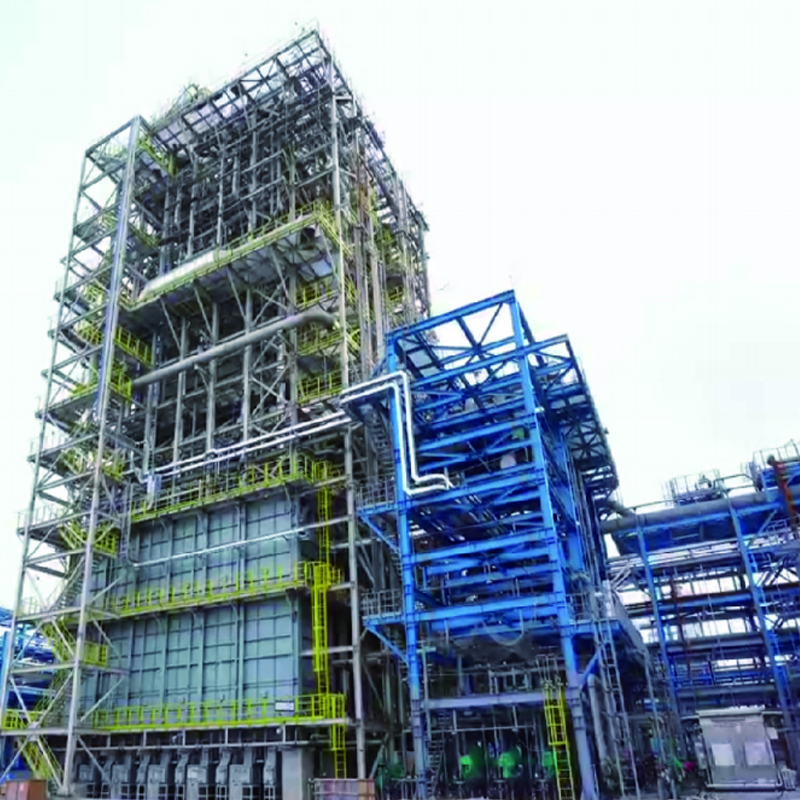
A typical gas-based DRI shaft furnace consists of a cylindrical vessel lined with refractory materials. Iron ore pellets or lump ore are charged from the top and descend by gravity, contacting upward-flowing reducing gas in counter-current fashion to complete the reduction reaction. Tuopu Industry provides EPC contracting services for DRI Furnace, covering the complete workflow from engineering design and equipment manufacturing to installation, commissioning, and project management.
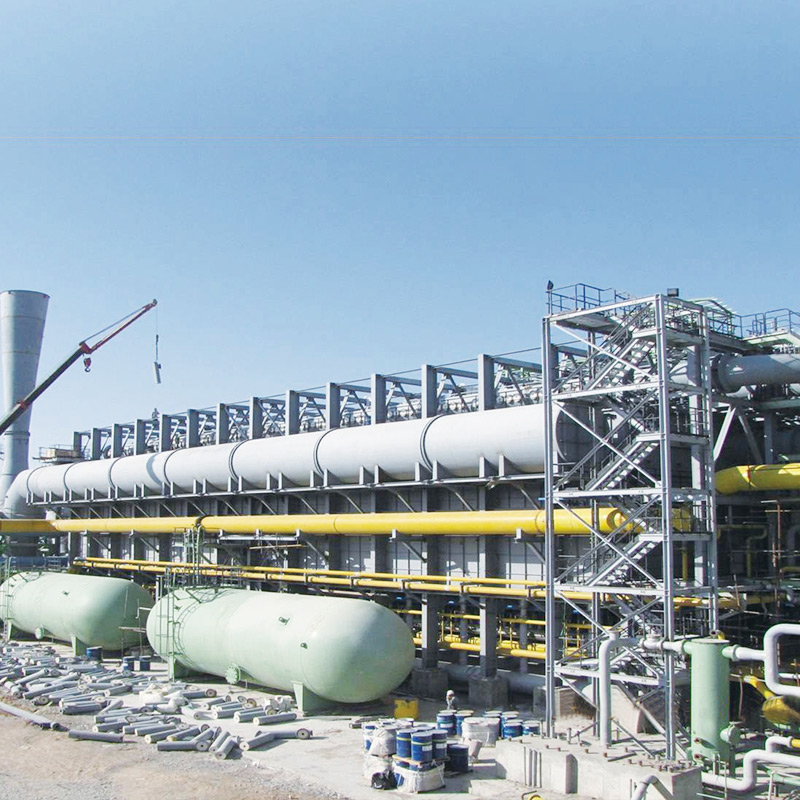
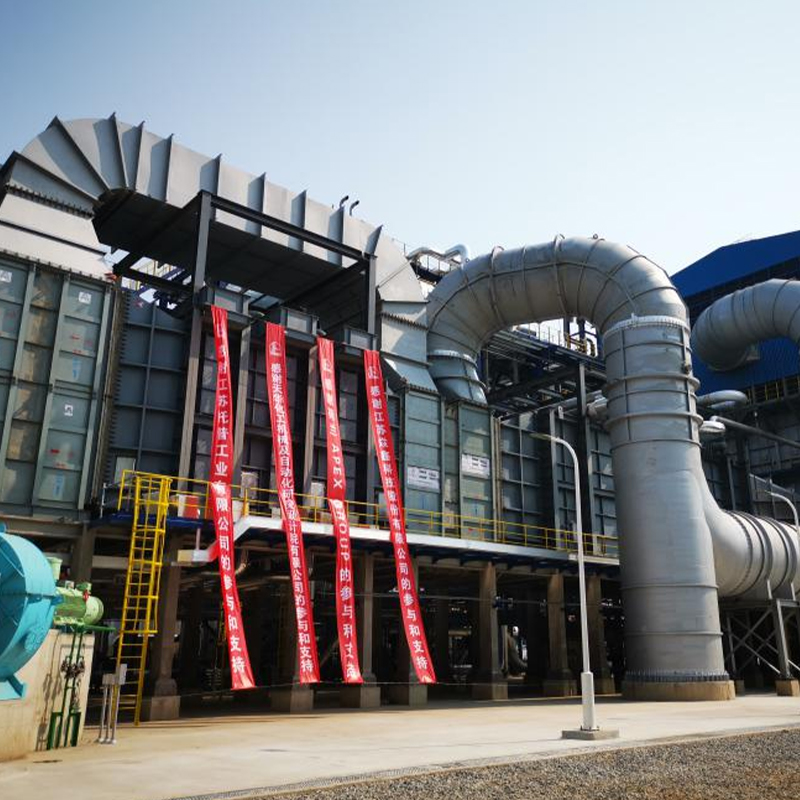
Tuopu Industry (Jiangsu) Co., Ltd. operates a manufacturing base for large-scale fired heaters, an intelligent production site for furnace tubes, and a roll-on/roll-off dock. The company provides EPC contracting capabilities from core equipment supply to complete engineering delivery. Below are the core product series for the DRI industry:
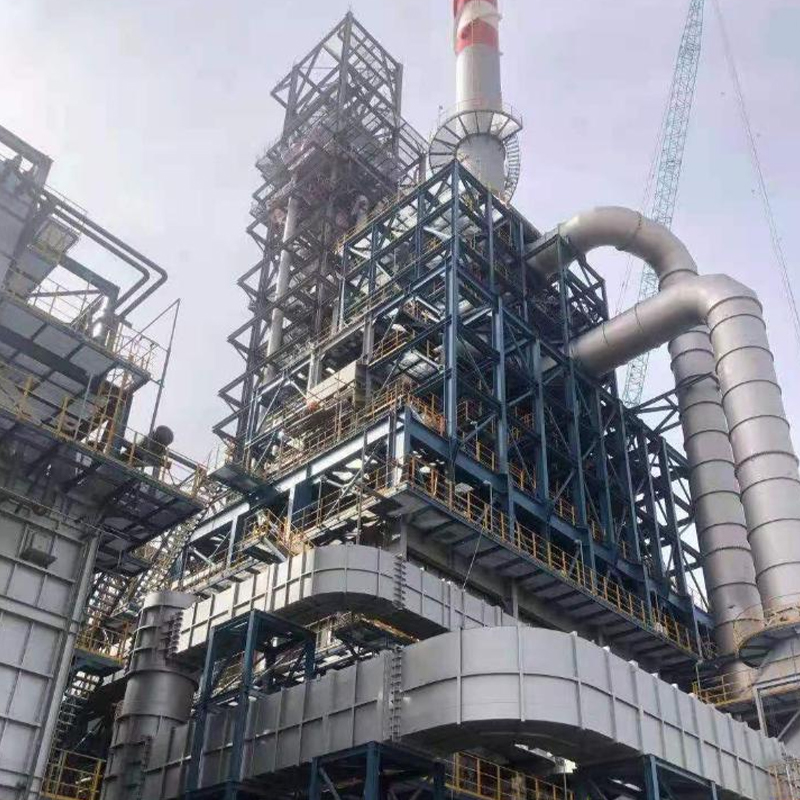
DRI processes apply widely across the following scenarios:
The global DRI industry is undergoing profound green transformation. Conventional natural gas-based DRI processes already exhibit significantly lower CO2 emissions than blast furnace routes, while DRI technology utilizing 100% green hydrogen as the reducing agent is regarded as the key pathway for steel industry decarbonization. Leading technology providers such as MIDREX have developed plant designs capable of flexibly switching between reductants (natural gas, hydrogen, syngas), reserving technical interfaces for future fully hydrogen-based reduction.
Tuopu Industry closely monitors this trend, and its DRI Furnace and Reformer Tube Assembly designs are already capable of accommodating varying reducing gas compositions. The company offers EPC contracting capabilities covering DRI projects of various scales, from core equipment supply to complete engineering delivery, with customized solutions available.

Tuopu’s DRI Furnace Tube Series is specially designed for Direct Reduced Iron (DRI) furnaces, offering superior heat resistance, mechanical strength, and long-term operational stability. Manufactured ...
See Details
Tuopu’s DRI Furnace is a tailor-made solution designed specifically for steelmaking plants, providing reliable and efficient direct reduced iron (DRI) production. Engineered for high operational stabi...
See Details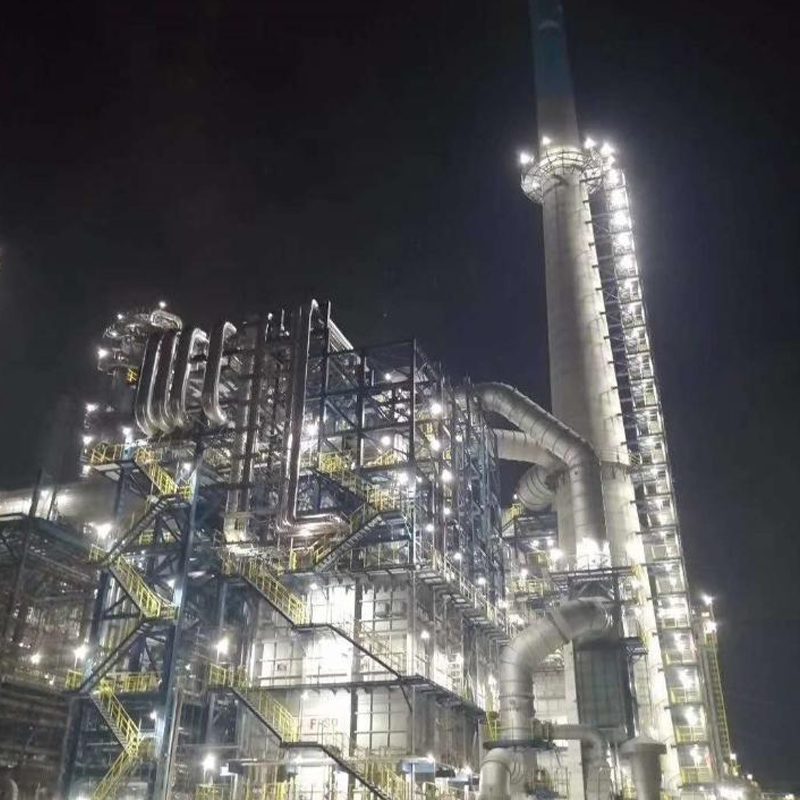
Our Fired heater for ADU and VDU is engineered for reliable and efficient heating of crude oil in both atmospheric and vacuum distillation processes. Designed for high thermal efficiency and uniform t...
See Details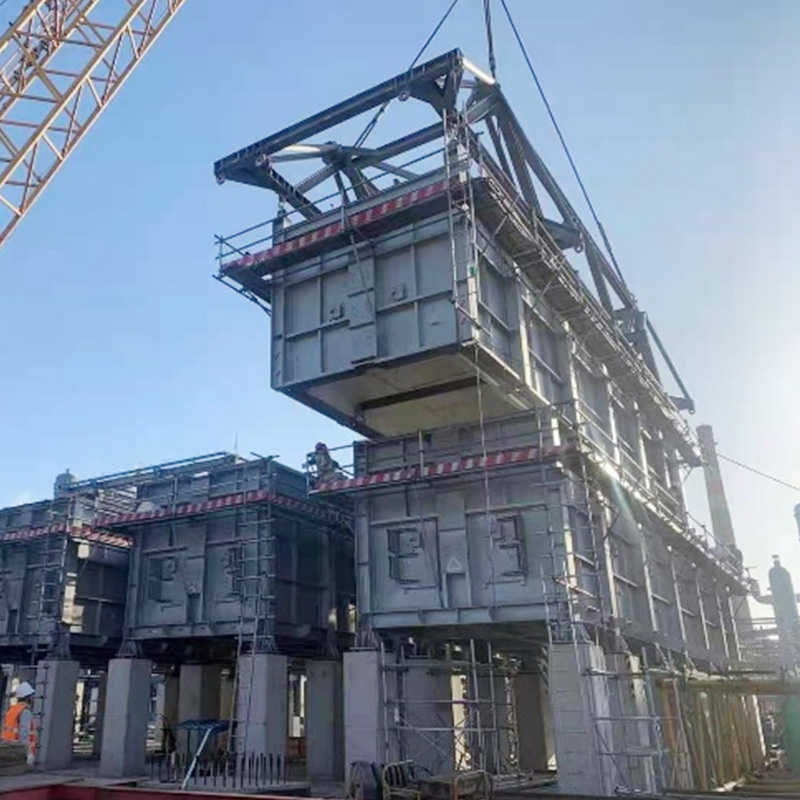
Using COMMOS and intelligent PID for two-dimensional collaborative design, achieving a digital delivery level.
See DetailsPhone
+86 189 5262 7611
+86-(0)523 8498 2299
Address
No.20, Fuyang Road, Jingjiang City, Jiangsu Province, China
Media