
 English
 русский
 فارسی
فارسی
Cracking Tube Series is engineered for high-temperature cracking furnaces in the petrochemical industry, providing exceptional thermal stability, corrosion resistance, and long-term operational reliab...
See Details Home / News / Industry News / Cracking Tube Guide: Materials, Failure Modes, and Sourcing Tips for Engineers
2026-09-25
Content
A radiant coil that fails at month 18 instead of year five does more than interrupt ethylene output. It forces an unplanned shutdown, a crane lift, and a re-evaluation of every weld on the same furnace. That is why engineers treat the cracking tube as a controlled critical item, not a pipe.
Cracking tubes are centrifugally cast, high-alloy components built for 1,000–1,100°C service in steam-cracking and reforming furnaces. Their job is to transfer heat into a hydrocarbon feed while resisting creep, carburization, and thermal cycling. Get the metallurgy, casting quality, or procurement checks wrong, and the tube will set the outage schedule. This guide explains what cracking tubes do, how they fail, and what to verify before you issue a purchase order.
In an ethylene plant, the cracking tube is the radiant coil inside the pyrolysis furnace. A mixture of hydrocarbon feedstock and steam passes through these tubes at high temperature. The steam reduces hydrocarbon partial pressure, while the furnace burners supply the heat that drives the cracking reaction. The tube must survive both the process atmosphere and the mechanical load of its own weight, thermal expansion, and internal pressure.
That environment separates a cracking tube from ordinary pipe. Typical service conditions include:
Materials are therefore heat-resistant cast alloys, usually with 25% chromium and 35% nickel, plus niobium or other carbide formers. The tube is not a simple cylinder; it often has a varying wall thickness, inlet and outlet sections, and sometimes internal fins or swirl elements. When a supplier treats it as a commodity pipe, the first sign of trouble is usually a short campaign life.
Failure rarely comes from one dramatic event. It accumulates from several damage mechanisms acting at the same time. A 2019 failure investigation of an ethylene radiant tube noted that cracking reactions take place in radiant tubes under high-temperature steam, and that tube failures often begin with localized degradation before a through-wall crack appears.
Because these mechanisms interact, a tube that looks fine after 40,000 hours can still fail quickly if carburization has already reduced its ductility. Inspection should measure diameter, wall thickness, and hardness, not just look for visible cracks.
Centrifugal casting gives the tube a directional grain structure, but it does not guarantee performance by itself. The alloy grade, casting soundness, and dimensional tolerances determine how long the tube survives.
For ethylene cracking service, common grades include HP40Nb (25Cr/35Ni + Nb) and higher-alloy versions with 35% Cr and 45% Ni for more severe carburization. The niobium addition improves creep strength by forming stable carbides. But the difference between a 50,000-hour tube and a 25,000-hour tube often comes down to casting quality: porosity, inclusions, and centrifugal segregation.
Design details also matter. Tube wall thickness is usually selected from creep-rupture data at the expected metal temperature and stress. The coil layout, bend radius, and support spacing affect thermal expansion. If the design ignores those, the tube will fail at the bend or the weld even if the alloy is correct.
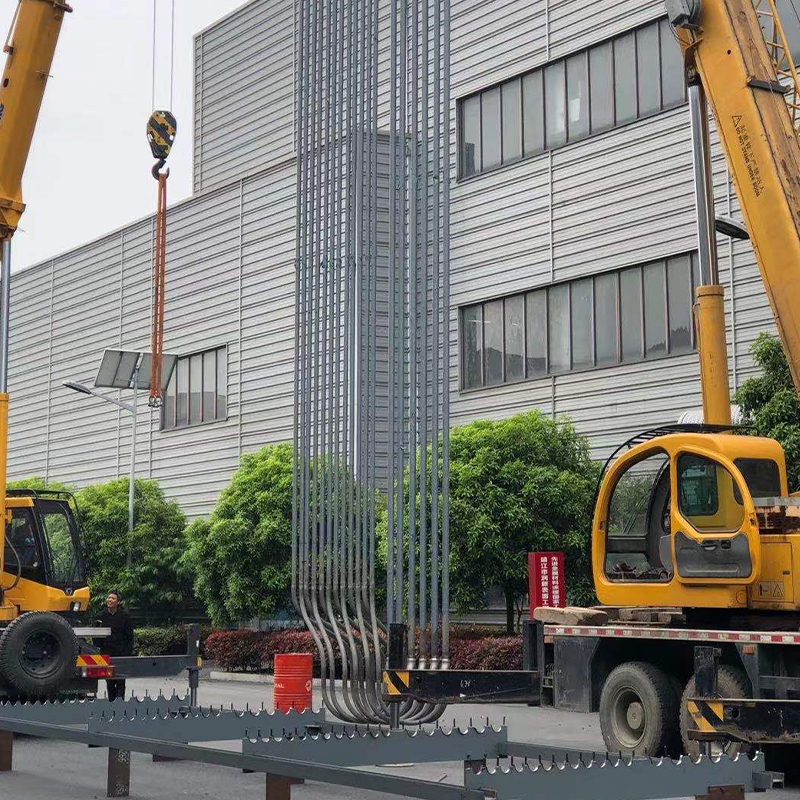 Cracking Tube (Radiant coil)Cracking Tube Series is engineered for high-temperature cracking furnaces in the petrochemical industry, providing exceptional thermal stability, corrosion resistance,...View Product →
When you buy a cracking tube, you are buying a qualified manufacturing process, not just a shape. The purchase specification should state the alloy grade, casting method, heat treatment, and inspection requirements. Without those, suppliers can offer “HP40” that misses the niobium range or has excessive porosity.
At a minimum, require:
| Alloy | Cr | Ni | Nb | Typical service limit |
|---|---|---|---|---|
| HP40Nb | 25% | 35% | 1.5% | ~1,050°C |
| HP40Nb + micro | 25% | 35% | 1.5% | ~1,080°C |
| 35Cr/45Ni | 35% | 45% | 1.0% | ~1,120°C |
| Reformer tube grade | 25% | 35% | 1.5% | ~1,000°C |
For field-level precautions during operation and maintenance, see these radiation tube usage notes. They cover startup, decoking, and inspection points that affect tube life.
Tuopu Industry (Jiangsu) Co., Ltd. manufactures cracking tubes and radiant coils through centrifugal casting, with a focus on petrochemical and refining furnaces. The company states that it is a first-tier supplier to Sinopec, PetroChina, and CNOOC, and a qualified supplier to Sinochem. That supplier status matters because it means the company has passed the qualification audits of large energy groups.
Its production chain includes a large fired heater manufacturing base, an intelligent tube production site, and a heavy equipment center with 150-ton lifting capacity, laser cutting, and automatic welding robots. For export projects, the company operates a dedicated roll-on/roll-off terminal: 200 meters long, 50 meters wide, 8 meters water depth, and a maximum roll-on weight of 50,000 tons. That facility supports delivery of long coils and large furnace modules.
The company also provides fired heater EPC contracting for petrochemical, coal chemical, and refining projects. If your scope includes the furnace and the cracking tubes, that integrated approach can reduce interface risk between the coil design and the heater layout.
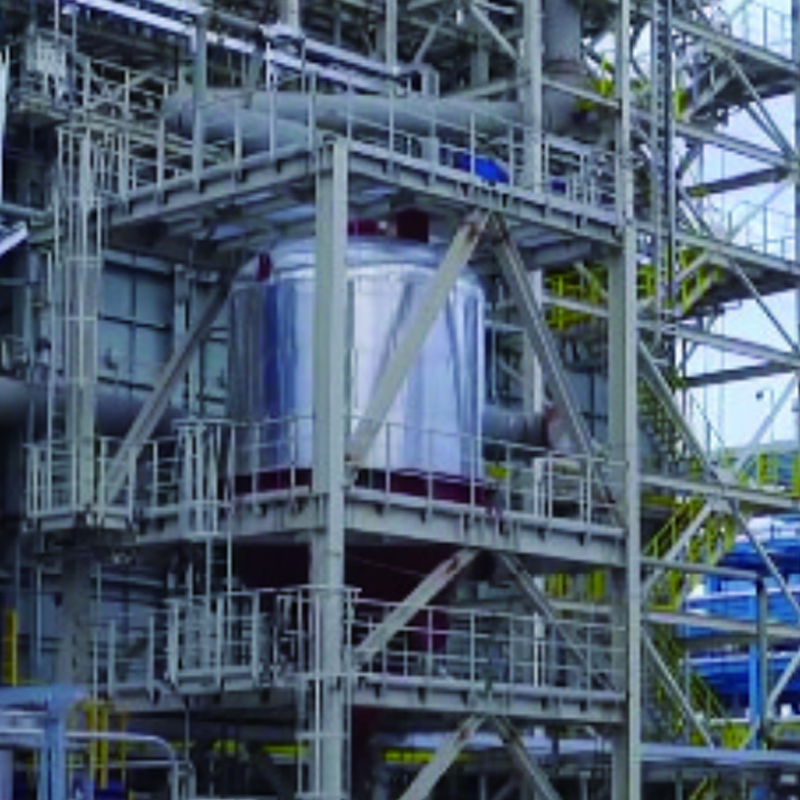 Ethylene Cracking FurnaceThe Ethylene Cracking Furnace is a high-performance industrial furnace designed for ethylene production via pyrolysis of hydrocarbons. The furnace delivers precise and...View Product →
In ethylene service, a well-made HP40Nb tube can last 50,000–100,000 hours, but actual life depends on metal temperature, feedstock, decoking frequency, and carburization. High-severity plants may replace tubes at 40,000 hours.
Yes, but the replacement must match the alloy, wall thickness, and heat treatment of the remaining coil. A mismatched tube can become the next failure point because it expands differently.
Both are centrifugally cast, high-alloy tubes. Cracking tubes handle hydrocarbon cracking in ethylene furnaces, while reformer tubes handle steam-methane reforming for hydrogen or DRI. The alloys overlap, but the process conditions and design details differ.
Cracking tube performance is decided before the tube enters the furnace: by alloy choice, casting quality, dimensional control, and the procurement checks you enforce. If you are specifying a replacement coil or a new cracking furnace, start with the metal temperature and atmosphere, then work back to the alloy and supplier qualification. To discuss your cracking tube specification, request a quote.
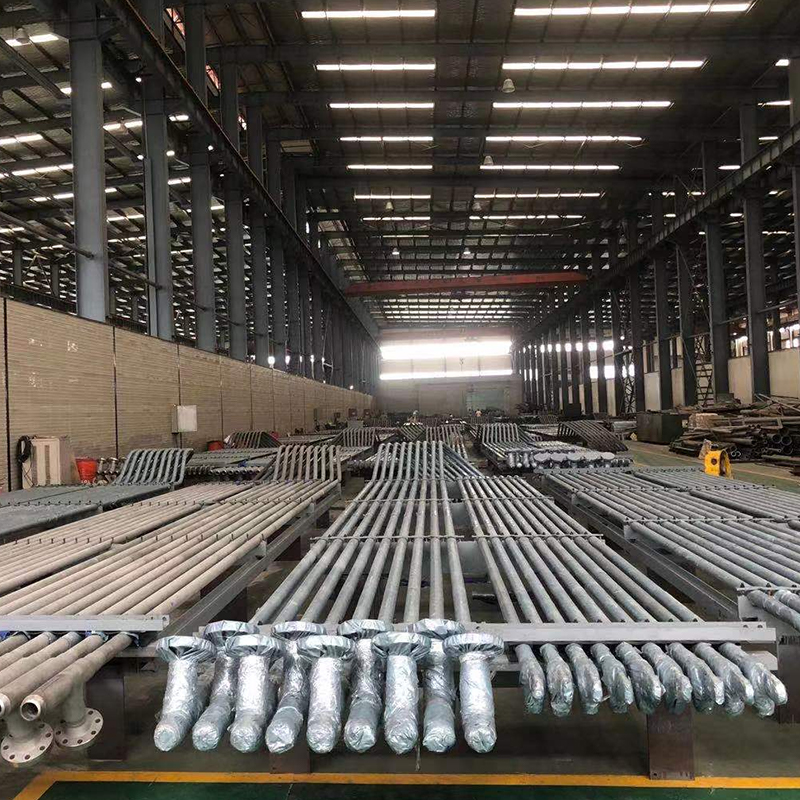
Cracking Tube Series is engineered for high-temperature cracking furnaces in the petrochemical industry, providing exceptional thermal stability, corrosion resistance, and long-term operational reliab...
See Details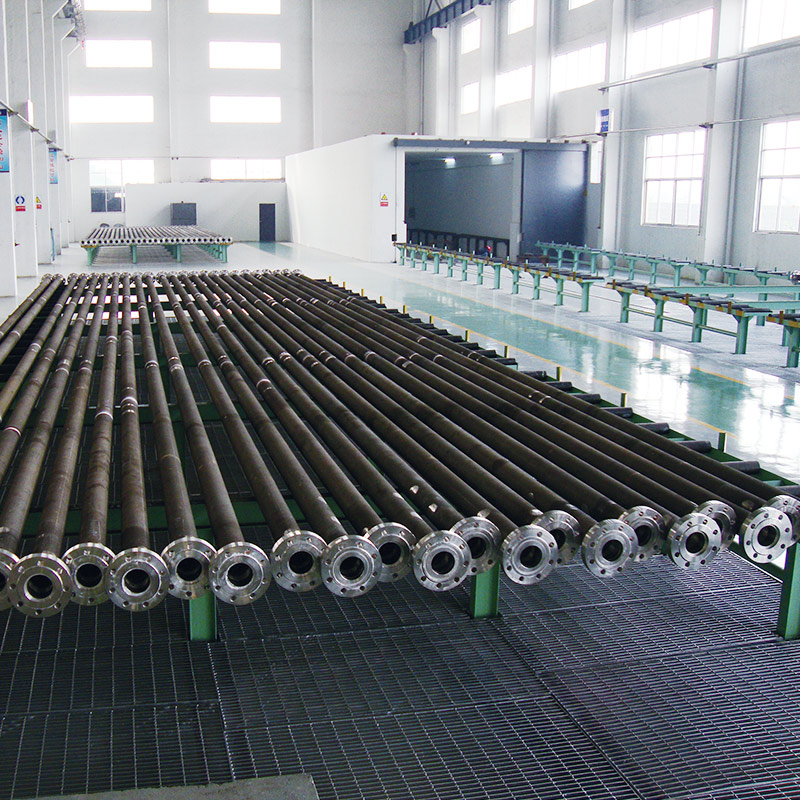
Tuopu’s Reformer Tube is designed for high-temperature chemical reactions in industrial furnaces, ensuring efficient heat transfer, structural integrity, and long-term operational stability. These tub...
See Details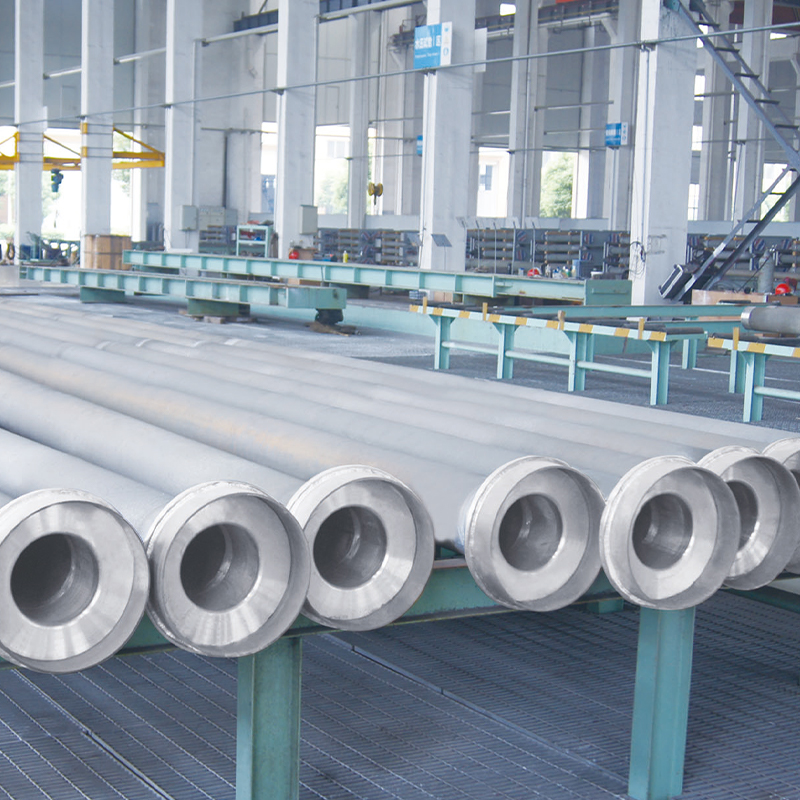
Tuopu’s DRI Furnace Tube Series is specially designed for Direct Reduced Iron (DRI) furnaces, offering superior heat resistance, mechanical strength, and long-term operational stability. Manufactured ...
See Details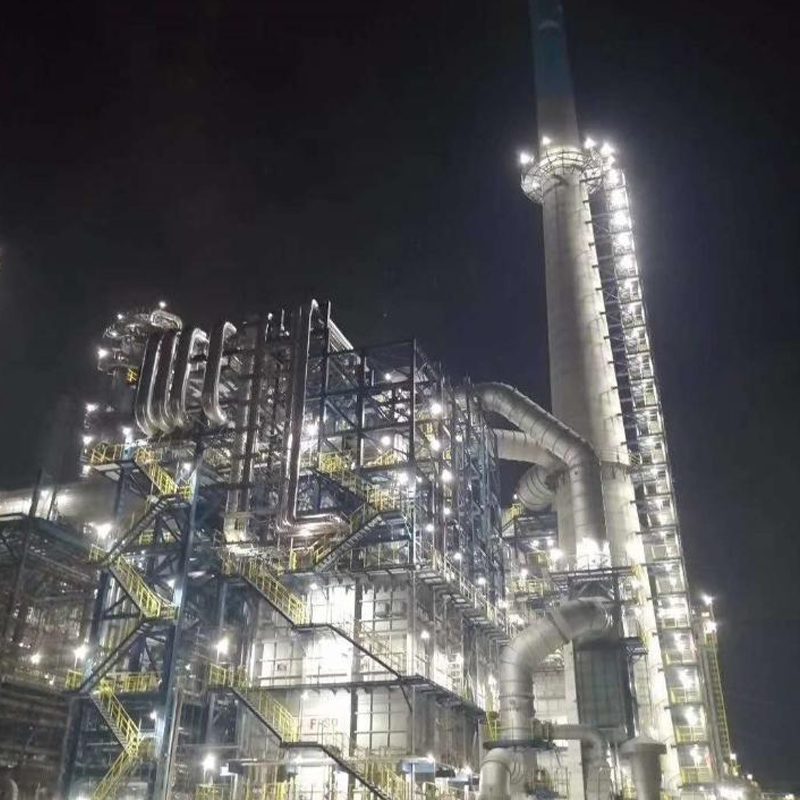
Our Fired heater for ADU and VDU is engineered for reliable and efficient heating of crude oil in both atmospheric and vacuum distillation processes. Designed for high thermal efficiency and uniform t...
See Details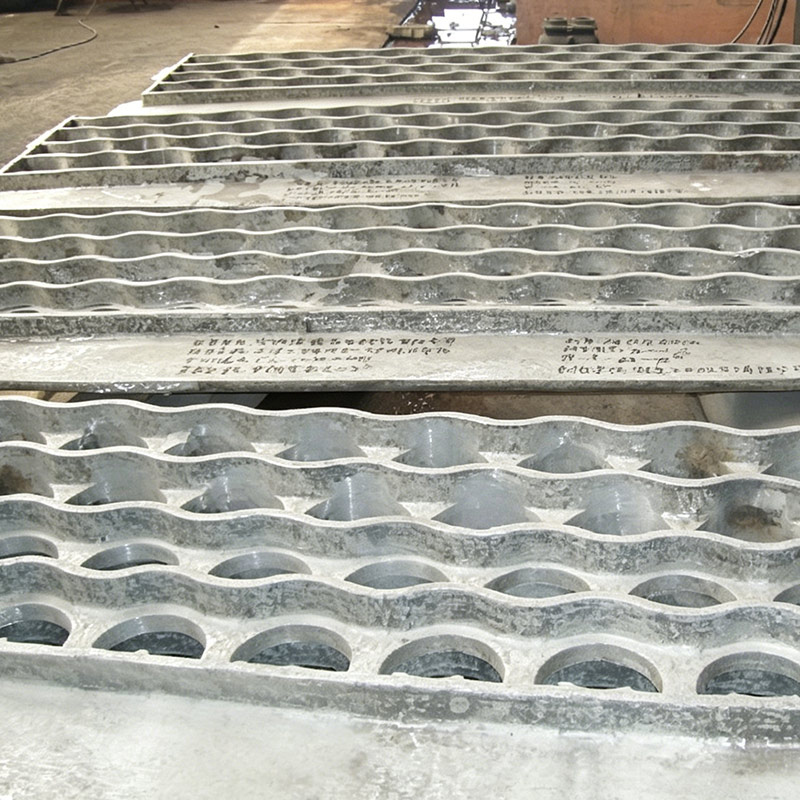
Cast tube sheets have good heat resistance and structural integrity, and are commonly used in industries such as petrochemicals, fertilizers, and power plant. It is recommended to use heat-resistant s...
See Details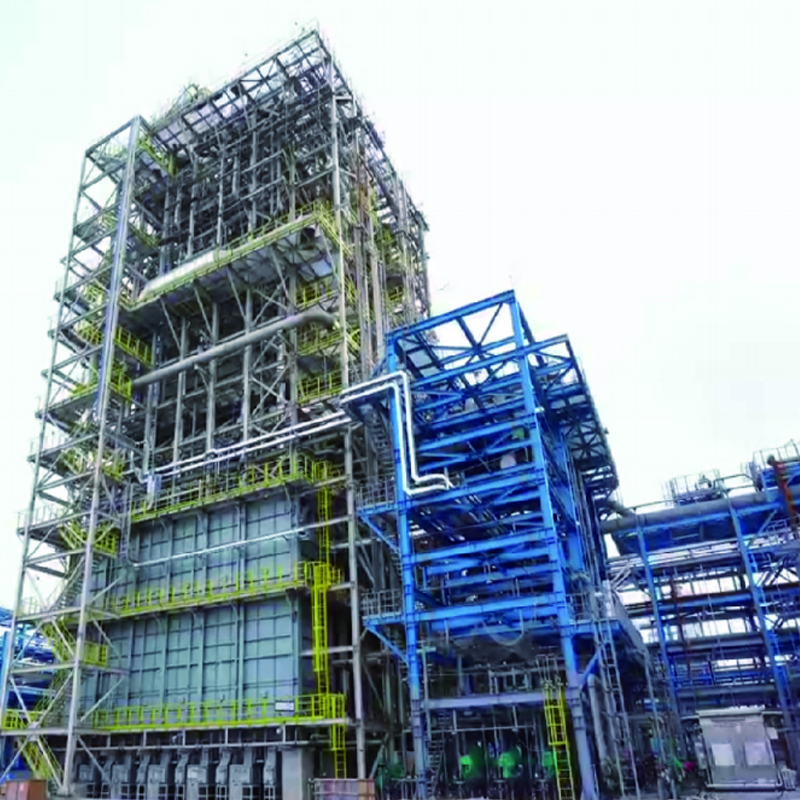
The Ethylene Cracking Furnace is a high-performance industrial furnace designed for ethylene production via pyrolysis of hydrocarbons. The furnace delivers precise and uniform high-temperature heat re...
See DetailsPhone
+86 189 5262 7611
+86-(0)523 8498 2299
Address
No.20, Fuyang Road, Jingjiang City, Jiangsu Province, China
Media