
 English
 русский
 فارسی
The Ethylene Cracking Furnace is a high-performance industrial furnace designed for ethylene production via pyrolysis of hydrocarbons. The furnace delivers precise and uniform high-temperature heat re...
See Details Home / News / Industry News / Cracker Furnace Design, Coils and Procurement Guide for Ethylene Plants
2026-11-27
Content
Two numbers settle most cracker furnace arguments: coil outlet temperature and run length. A furnace running at 850 °C with a 60-day run length and one running at 830 °C with a 45-day run length can look identical on a datasheet, yet the first produces more ethylene per tonne of feed and needs fewer decoke cycles across a five-year campaign. Burner layout, firebox dimensions and convection bank arrangement are means to those two numbers, not ends in themselves.
So the conclusion first: a cracker furnace should be bought as a thermal system, not as a steel box with coils inside. Compare three things in one evaluation — the radiant coil alloy and its expected creep life, the convection section's heat recovery and its sensitivity to fouling, and the fabrication and logistics scope that determines when the coils actually reach site. A supplier who can only speak to one of the three is quoting a component, not a furnace.
The furnace is the reaction vessel of an ethylene plant. Hydrocarbon feed — ethane, propane, naphtha or a mixed stream — is preheated in the convection section, mixed with dilution steam, and then pushed through radiant coils suspended in a firebox where wall burners hold gas temperatures well above the process temperature. In roughly 0.1 to 0.3 seconds the saturated molecules break into smaller, unsaturated ones, and the gas is quenched almost immediately in transfer line exchangers to stop the reaction before it over-cracks into tar and coke.
Three consequences follow from that short residence time. First, heat flux distribution matters more than total duty: a hot spot of a few hundred millimetres can double local coke laydown. Second, coil geometry — pass count, tube diameter, bend radius — is a yield decision, not a fabrication detail. Third, because coke inevitably forms, the furnace is designed for a decoking cycle, and the alloy has to survive repeated steam-air decokes at temperatures above normal operation.
Practically, that means a furnace is never specified from one operating point. It is specified across a feed slate, a turndown range and a decoke regime, and the coil design is a deliberate compromise between ethylene selectivity at high severity and mechanical life at moderate severity.
When two quotations arrive with different coil counts and different firebox volumes, the comparison has to be normalised. The table below lists the figures that most reliably separate a good design from a merely compliant one; ask every bidder to state all of them explicitly, including the assumptions behind each.
| Parameter | Typical range | Why it changes the commercial outcome |
|---|---|---|
| Coil outlet temperature | 820–870 °C | Higher severity lifts ethylene yield but shortens coil life and run length; the trade-off must be stated per feed. |
| Residence time | 0.08–0.25 s | Short residence improves selectivity and limits secondary reactions that form coke and heavy ends. |
| Dilution steam ratio | 0.3–0.6 kg/kg feed | Controls hydrocarbon partial pressure; too low accelerates coking, too high wastes energy in the quench train. |
| Average radiant heat flux | 80–120 kW/m² | Sets tube metal temperature and therefore creep life; uneven flux shortens the weakest pass first. |
| Furnace thermal efficiency | 92–95 % (LHV basis) | Driven by stack temperature and convection surface; a two-point gap is a continuous fuel cost for 20 years. |
| Run length between decokes | 40–90 days | Determines on-stream factor and spare furnace policy; a short run length often points to flux or alloy issues. |
Coils are centrifugally cast, heat-resistant austenitic tubes, typically 35Cr-45Ni with niobium and micro-alloy additions, welded into passes with cast return bends. The failure modes are predictable: creep bulging near the hottest section, carburisation of the bore, and weld cracking at the outlet where metal temperatures peak. Buyers who compare only the nominal grade miss the variables that matter — wall thickness tolerance, ovality, casting soundness, and how the fabricator controls weld preheat and post-weld heat treatment.
A few points are worth writing into the purchase order rather than leaving to good faith. Require dimensional and metallurgical test records per heat, not per batch. Require a stated design metal temperature and the corresponding allowable stress calculation. Require the decoking procedure to be validated against the alloy, since repeated steam-air cycles at 900 °C and above consume creep life faster than normal operation. And require a coil-by-coil identification scheme, because during a turnaround the ability to trace which pass has run 30,000 hours at the highest flux saves both a guess and a shutdown.
Where the furnace is being re-tubed rather than newly built, the coil is usually the long-lead item and the schedule driver. Ordering tube sets early, against a frozen drawing, is cheaper than expediting them later.
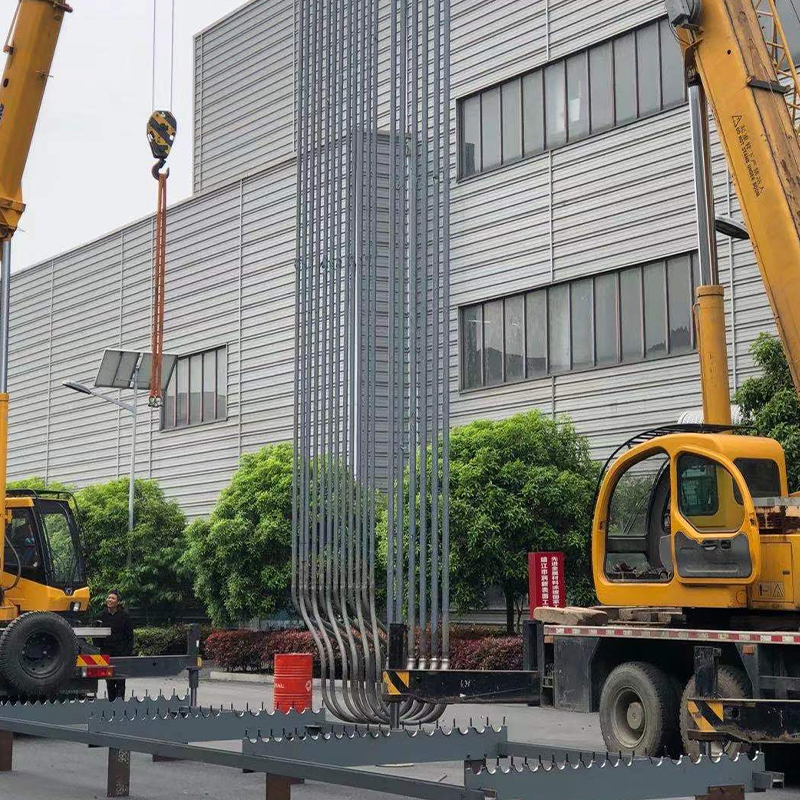 Custom Cracking Tubes for Radiant Coil RetubingCustom-engineered radiant coil tubes resist high temperatures, corrosion and coking, with dimensions and alloys tailored to cracking furnace retubing schedules.View Product →
The convection bank does the unglamorous work — preheating feed, superheating dilution steam, and sometimes generating steam — using flue gas that would otherwise leave at 900 °C or more. Its performance is easy to overstate in a proposal and hard to recover in operation, because fouling and acid dew point limits push the achievable stack temperature upward over time. A design that assumes a clean bank at 120 °C stack temperature will not hold that number after two years of service.
Modular construction changes the risk profile here. A convection section built and tested as shop-assembled modules arrives with headers, supports and refractory already verified, which shortens site erection and reduces the number of field welds that later leak or crack. For export projects, module size is itself a constraint: it must suit the transport envelope as well as the crane capacity at the receiving port.
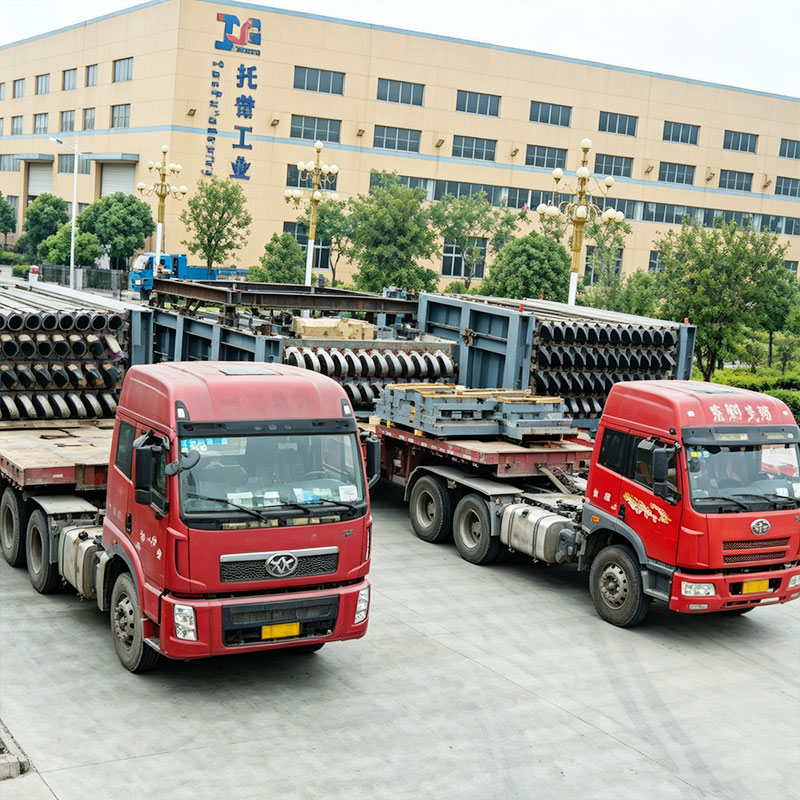 Shop-Assembled Custom Convection Section ModulesShop-assembled convection modules integrate heat-transfer elements in durable alloys, shortening site erection and reducing field welds for petrochemical and industrial furnaces.View Product →
Most of the problems that surface two years after startup are traceable to decisions taken during procurement. These are the recurring ones:
Each is manageable if it is raised at the technical bid clarification stage, and expensive if it is raised during commissioning.
The scope decision usually comes down to interface ownership. If the buyer's engineering contractor already holds the process licence and the balance of plant, a furnace supply package with clearly frozen battery limits is efficient. If the furnace sits inside a wider refinery or petrochemical unit where coil supply, convection modules, structural steel, erection and commissioning all land on one schedule, a single EPC scope removes the gap between thermal guarantees and site performance.
Two practical checks apply either way. First, ask who owns the performance test: a yield or efficiency guarantee is only meaningful if the same party controls coil design, burner tuning and convection surface. Second, ask where the coils are cast and how they travel — a supplier with its own casting and a wharf adjacent to the fabrication hall can compress the delivery window that normally sits between award and first firing.
For a broader view of how fired heater duty, configuration and engineering interfaces are selected across petrochemical units, this overview of fired heater selection and engineering applications is a useful companion to the coil-level decisions described above.
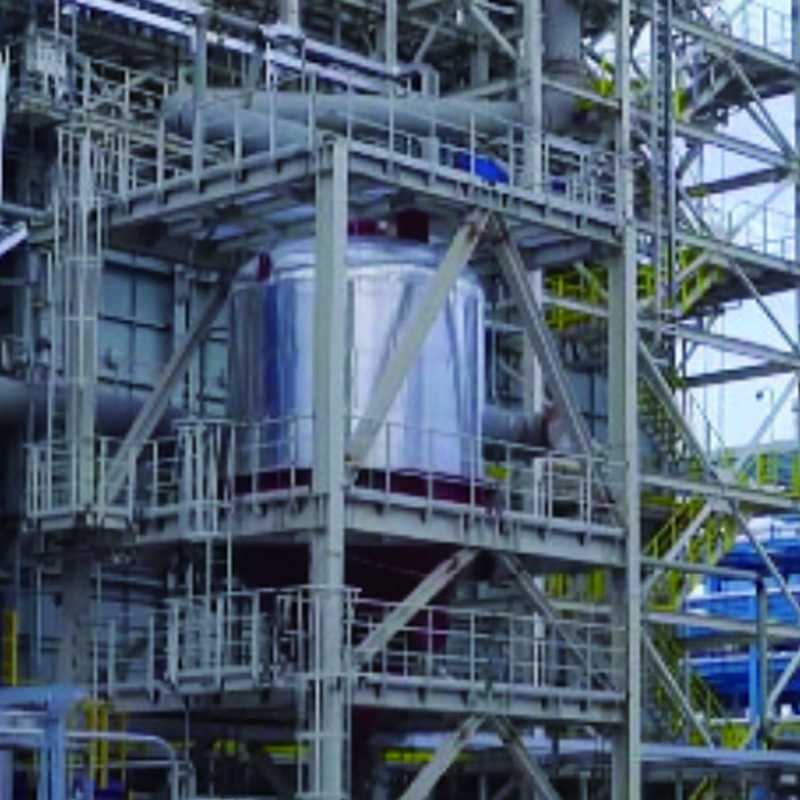 Custom Ethylene Cracking Furnace for Hydrocarbon PyrolysisCustom high-performance furnace provides uniform high-temperature heat, optimized radiant and convection sections, and burner flexibility for ethylene production from ethane, propane, naphtha, or mixed feeds.View Product →
Design life is commonly quoted at 100,000 hours, but realised life depends on coil outlet temperature, feed severity, decoke frequency and flux uniformity. Furnaces run conservatively often reach that figure; furnaces pushed for yield on heavy feed may need their first partial replacement well before it.
Yes, but not at identical conditions. The two feeds need different dilution steam ratios and different severity, and the coil geometry becomes a compromise that costs some selectivity on both. If the slate is expected to shift substantially, say so at the enquiry stage rather than after the guarantee is signed.
Ask for the predicted tube metal temperature profile along the coil at end-of-run conditions, and for the creep life calculation behind it. A supplier who can answer that quickly has actually designed the furnace; one who cannot is likely assembling it.
A cracker furnace rewards buyers who stay with the thermal detail through procurement. Fix the feed slate and the severity target, normalise the bids on coil alloy, flux distribution, convection surface and logistics scope, and the comparison becomes straightforward. Everything after that is discipline in fabrication and documentation.
If you are scoping a new furnace, a re-tube or a convection section upgrade, the fastest way to a useful answer is to send the feed basis, the required run length and the plot constraints together. Our engineering team can respond with a coil and furnace configuration rather than a generic brochure — start with the contact page.
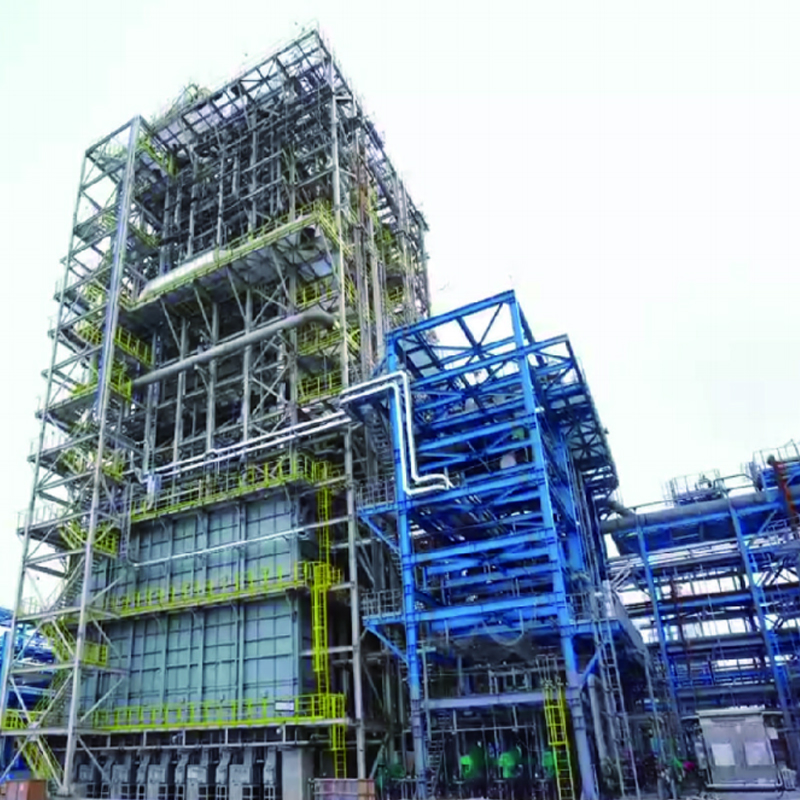
The Ethylene Cracking Furnace is a high-performance industrial furnace designed for ethylene production via pyrolysis of hydrocarbons. The furnace delivers precise and uniform high-temperature heat re...
See Details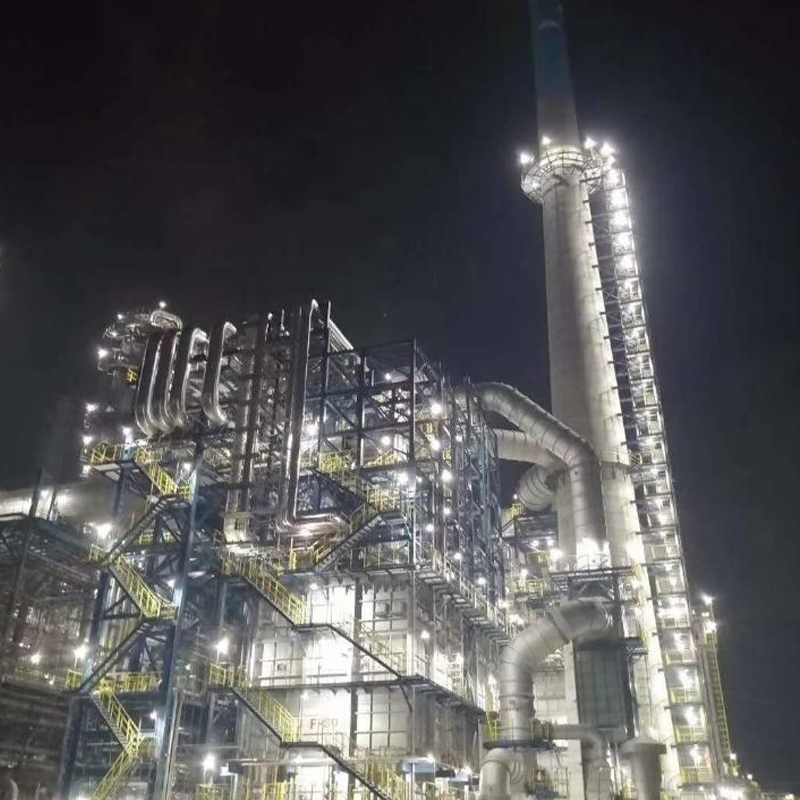
Our Fired heater for ADU and VDU is engineered for reliable and efficient heating of crude oil in both atmospheric and vacuum distillation processes. Designed for high thermal efficiency and uniform t...
See Details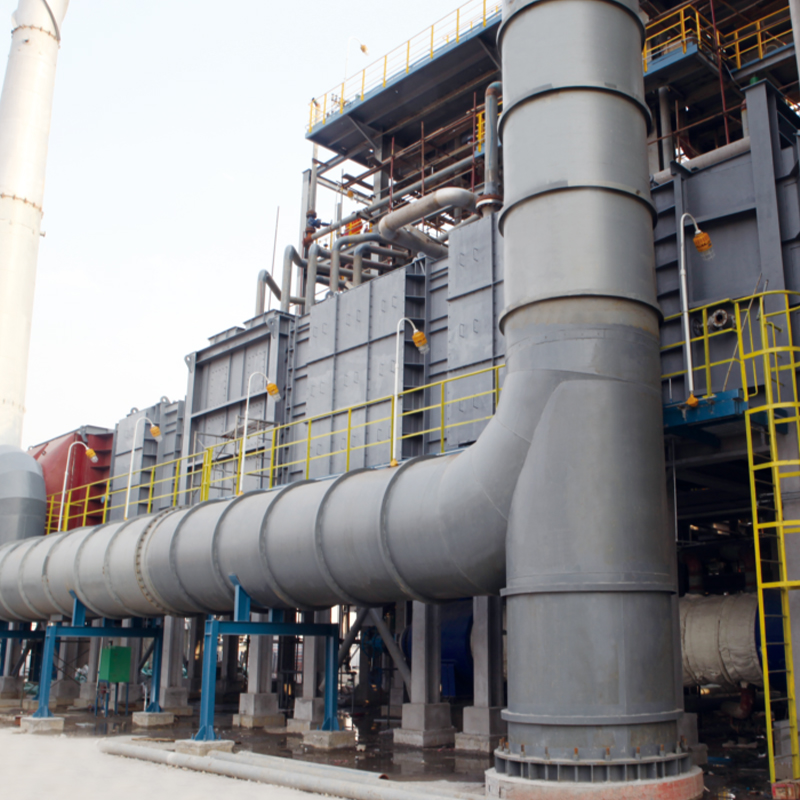
Furnace Accessories Series provides essential components that ensure the safe, efficient, and reliable operation of industrial furnaces. From burners and thermocouples to refractory supports and flue ...
See Details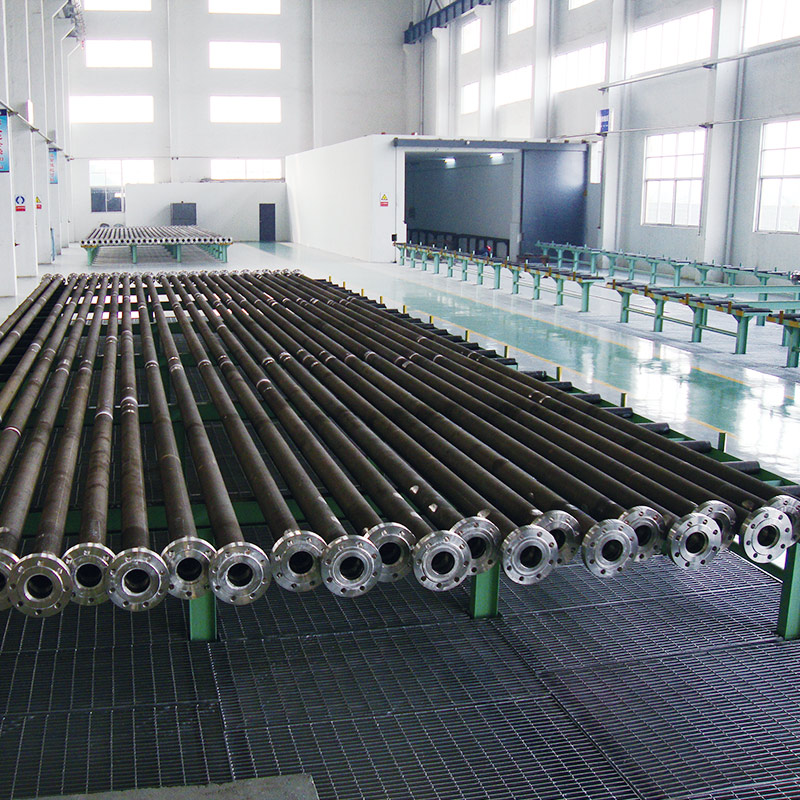
Tuopu’s Reformer Tube is designed for high-temperature chemical reactions in industrial furnaces, ensuring efficient heat transfer, structural integrity, and long-term operational stability. These tub...
See Details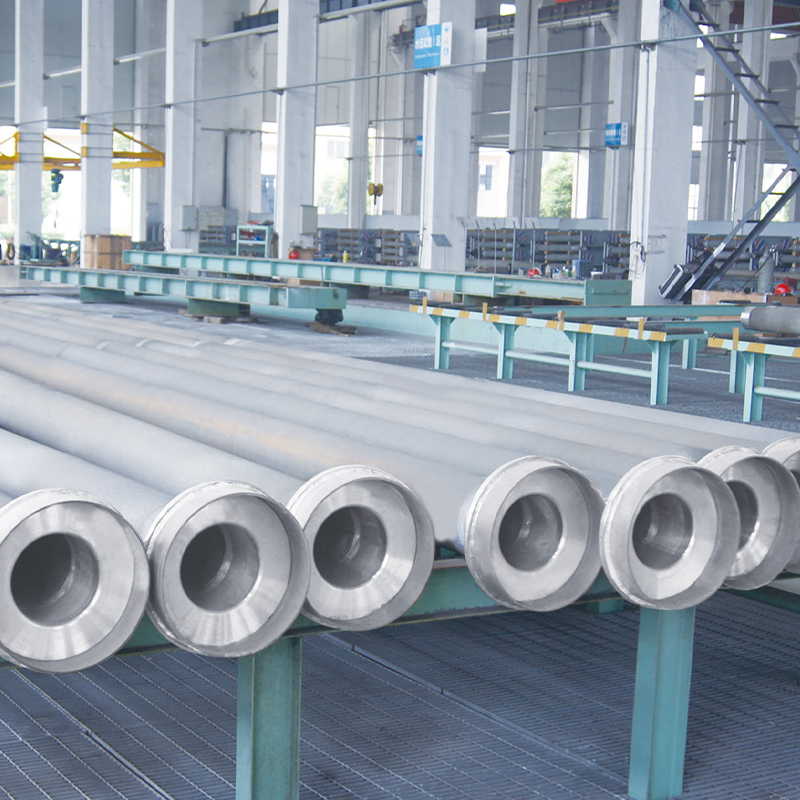
Tuopu’s DRI Furnace Tube Series is specially designed for Direct Reduced Iron (DRI) furnaces, offering superior heat resistance, mechanical strength, and long-term operational stability. Manufactured ...
See Details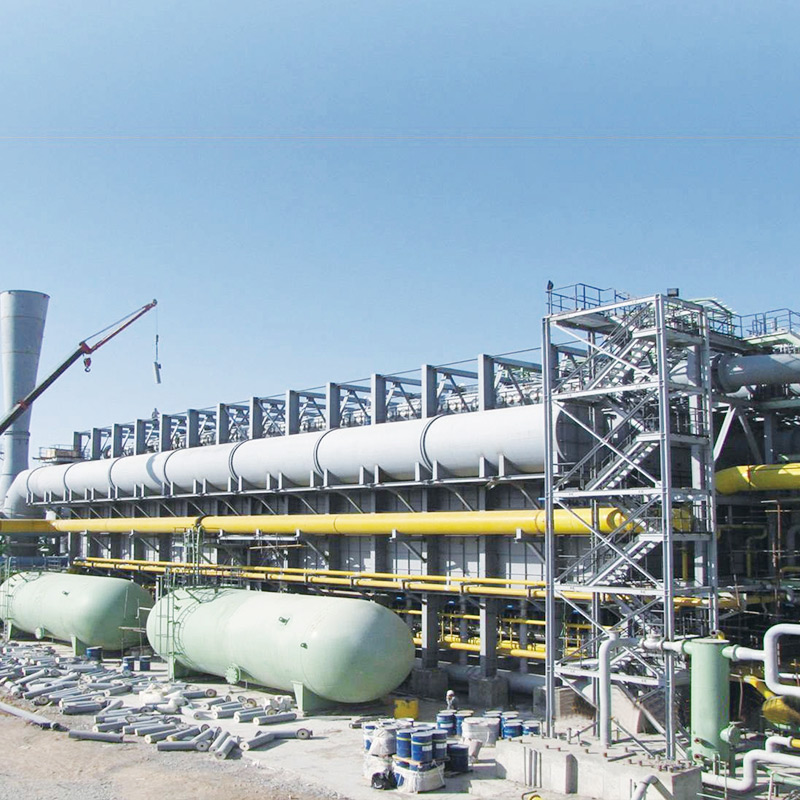
Tuopu’s DRI Furnace is a tailor-made solution designed specifically for steelmaking plants, providing reliable and efficient direct reduced iron (DRI) production. Engineered for high operational stabi...
See DetailsPhone
+86-(0)523 8498 2299
Address
No.20, Fuyang Road, Jingjiang City, Jiangsu Province, China
Media