
 English
 русский
 فارسی
فارسی
Our Fired heater for ADU and VDU is engineered for reliable and efficient heating of crude oil in both atmospheric and vacuum distillation processes. Designed for high thermal efficiency and uniform t...
See Details Home / News / Industry News / Convection Section in Fired Heaters: Design, Efficiency, and Maintenance
2026-09-18
Content
The convection section of a fired heater is where thermal efficiency is won or lost. Flue gas leaves the radiant section at 400–650 °C, carrying as much as 35% of the fuel's heat release. A properly engineered convection section recovers most of that heat and returns it to the process; a poorly designed or fouled one quietly inflates fuel bills for the entire life of the unit. The conclusion up front: the convection section decides whether a heater operates at 65% or 90% efficiency, and it deserves the same design attention as the radiant box.
This article explains what the convection section is, how heat transfer works inside it, the design parameters that matter, the efficiency it buys, the failure modes that punish neglect, and what to consider when purchasing a new or replacement convection module.
The convection section is the bank of heat-transfer tubes located above or downstream of the radiant section, inside the upper part of the heater structure. In vertical cylindrical heaters it sits on top of the radiant section; in cabin-type box heaters it occupies the upper compartment, where flue gas flows across the tube rows. Engineers often call it the convection box.
Flue gas leaving the radiant section is still hot, but its temperature is too low for effective radiant heat transfer. In the convection section, heat moves mainly by forced convection: hot combustion gas flows across the tubes. Extended surfaces such as fins or studs multiply the external area by a factor of 5–10, offsetting the lower heat-transfer coefficient of convective gas flow.
The convection bank is usually a multi-circuit assembly rather than a single exchanger. It may preheat and vaporize process feed, superheat steam, generate steam, and in steam reformers and ethylene furnaces, superheat dilution steam — all within one compact box.
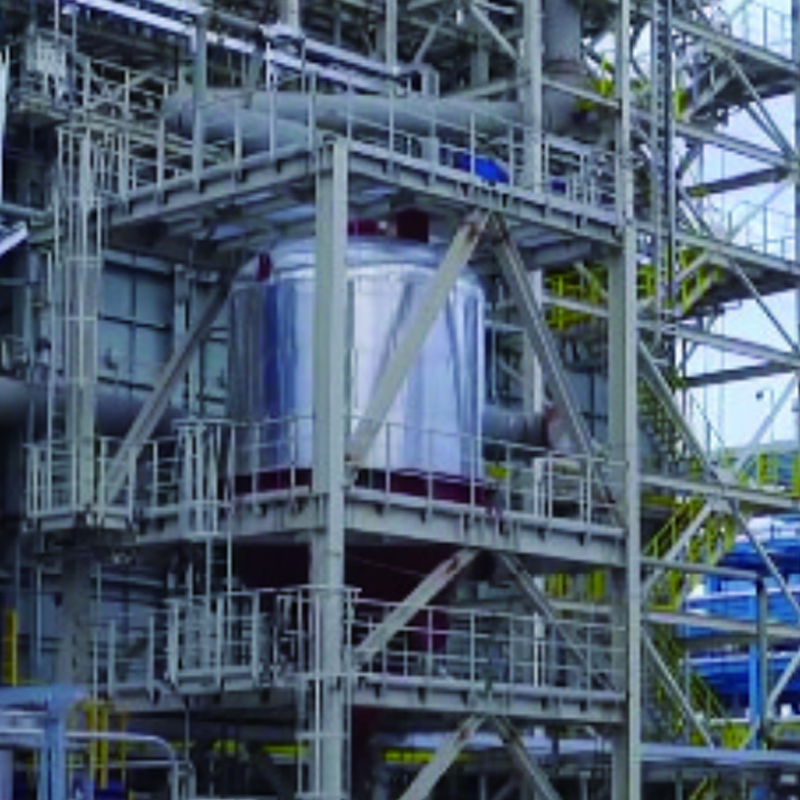 Ethylene Cracking Furnace for High-Yield PyrolysisThis furnace provides precise, uniform high-temperature heat for hydrocarbon cracking, supporting efficient ethylene production with flexible feedstock handling and robust design for continuous operation.View Product →
Ethylene cracking is a good example of how demanding this service can be. The feedstock must be fully vaporized and superheated before entering the radiant coils, and localized overcoking in any convection circuit changes flow distribution and forces premature shutdown.
At design conditions, flue gas enters the convection section at roughly 500–700 °C and leaves at 150–250 °C. The duty absorbed in the convection section typically represents 20–30% of the total absorbed heat. In a heater running at 88% efficiency, the radiant section absorbs about 58% of the fuel input, the convection section about 29%, and the remainder is lost as stack and casing losses.
Extended-surface tubes make this recovery economical. A serrated fin welded to a carbon steel tube more than doubles the outside surface per unit length at modest added cost. Bare tubes are used only at the hot inlet rows, where gas temperature is high enough that fins add little benefit, or in high-fouling services where fin spacing cannot be kept cleanable.
| Parameter | Radiant section | Convection section |
|---|---|---|
| Dominant heat transfer mode | Thermal radiation | Forced convection |
| Typical flue gas temperature | 750–1,250 °C | 150–700 °C |
| Tube external surface | Bare | Bare, finned, or studded |
| Share of absorbed duty | 55–70% | 20–35% |
| Fouling sensitivity | Low | Medium to high |
| Cleaning access | Door openings | Removable panels, soot blowers |
Getting the convection section right comes down to several parameters that must be balanced against each other and reviewed by experienced engineers.
Gas-side mass velocity is typically kept between 3 and 6 kg/m²·s. Higher velocity improves heat transfer but increases pressure drop, which limits natural draft operation. A convection section consuming more than about 25–40 mm water column of draft may force an induced-draft fan — a significant capital and operating cost.
For clean gas fuel, high-density solid fins are economical. For dirty fuels such as vacuum residue or heavy coker gas oil, use wider fin spacing, serrated fins, or bare tubes, and provide soot-blower lanes. Fin density directly determines how long the heater can run between cleanings.
The hottest inlet rows see tube metal temperatures above 540 °C and normally use Cr-Mo alloys such as T11 or T22, or stainless grades if corrosive deposits are expected. Colder outlet rows can use carbon steel if the skin temperature stays above the sulfuric acid dew point, typically 120–150 °C.
Insulation thickness and casing tightness control heat loss and outer skin temperature. Casing air ingress creates localized cooling, dropping metal temperatures below the dew point and producing expensive corrosion.
When reviewing a vendor design, ask for: fin density justification against the specified fuel, a flue gas pressure-drop budget, per-coil metal temperature calculations, and a documented corrosion allowance for every row.
Heater efficiency improves by roughly 1% for every 20–25 °C reduction in stack temperature. Radiant-only heat recovery leaves a heater near 65% efficiency. Adding a convection section brings that figure to 82–87%; adding a combustion air preheater downstream pushes it above 90%.
For a 50 MW fired heater, the difference between 65% and 87% efficiency is about 16 MW of fuel — at typical gas prices, more than a million dollars per year. Crude and vacuum heaters are the most common retrofit candidates because their stack temperatures are often the highest in the refinery.
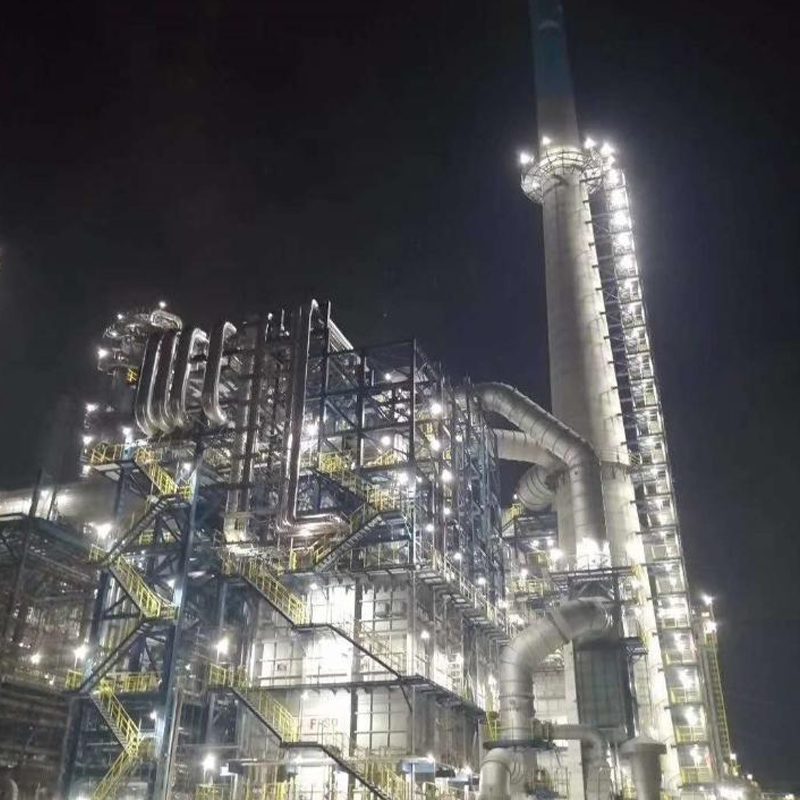 Fired Heater for Atmospheric and Vacuum Distillation UnitsEngineered for crude oil heating in ADU and VDU, this heater offers high thermal efficiency and uniform multi-zone heating to improve fractionation while reducing fuel costs and emissions.View Product →
Better efficiency also lowers CO₂ emissions in direct proportion to fuel burned, making the convection section one of the cheapest emission-reduction projects available on a per-ton basis.
Finned convection banks foul faster than bare-tube surfaces, and fouling changes heater behavior long before a forced shutdown. The symptoms are a rising flue gas outlet temperature, higher draft loss, and reduced process preheat — a heater designed for 85% efficiency can drift to 78% within months on heavy liquid fuel.
Cold-end corrosion is the leading cause of forced convection-section replacement. Sulfuric acid condenses when the tube skin temperature falls below the acid dew point. The prevention strategy is to keep metal temperatures above the dew point, select alloys suited to the environment, and maintain an airtight casing.
Online cleaning tools include steam and air soot blowers, sonic horns, and water washing during shutdowns. The turnaround inspection scope should cover tube wall thickness, fin height and condition, internal bore coking, casing tightness, and support integrity. Findings drive the decision between localized repair and full module replacement.
Rebuilding a convection section in the field is slow and expensive. A shop-assembled modular section avoids most of that risk: tubes arrive welded and tested, fins installed, refractory applied, and lifting lugs ready.
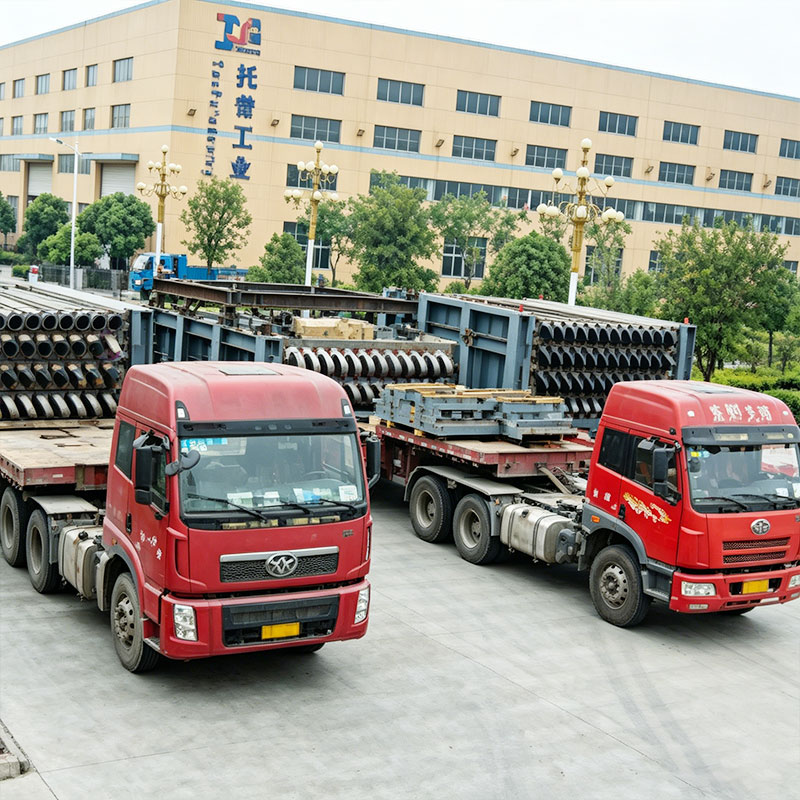 Shop-Assembled Convection Section Module for FurnacesA pre-fabricated convection module with welded tubes, fins, and refractory, designed for quick installation and reduced downtime while improving heat transfer and energy efficiency in industrial furnaces.View Product →
When purchasing a replacement module, provide the vendor with the actual fuel analysis, the fouling factor, and your draft and stack limitations. Agree on the design code — API 560 is the common reference for refinery heaters — and confirm inspection points: hydrostatic testing, fit-up dimensions, refractory dryness, and tie-in locations.
Selection of a heater type and its convection configuration affects the whole unit. For an overview of configurations across refinery and petrochemical services, see our guide on fired heater selection and engineering applications in the petrochemical industry.
For project-specific quotations or a shop inspection visit, contact our engineering team through the contact page.
To recover heat from flue gas leaving the radiant section by preheating and vaporizing process feed or superheating steam, raising overall heater efficiency from roughly 65% to 85% or more.
Fins multiply the gas-side surface area by a factor of 5–10, offsetting the low heat-transfer coefficient of convective flue gas flow and keeping the bundle compact.
Flue gas typically enters at 500–650 °C and leaves at 150–250 °C. With a downstream air preheater, the stack temperature can fall below 130 °C and heater efficiency can exceed 92%.
The dominant cause is sulfuric acid condensing on tube surfaces below the acid dew point, usually 120–150 °C. Prevention means keeping metal temperatures above the dew point and maintaining airtight casing to avoid cold spots.

Our Fired heater for ADU and VDU is engineered for reliable and efficient heating of crude oil in both atmospheric and vacuum distillation processes. Designed for high thermal efficiency and uniform t...
See Details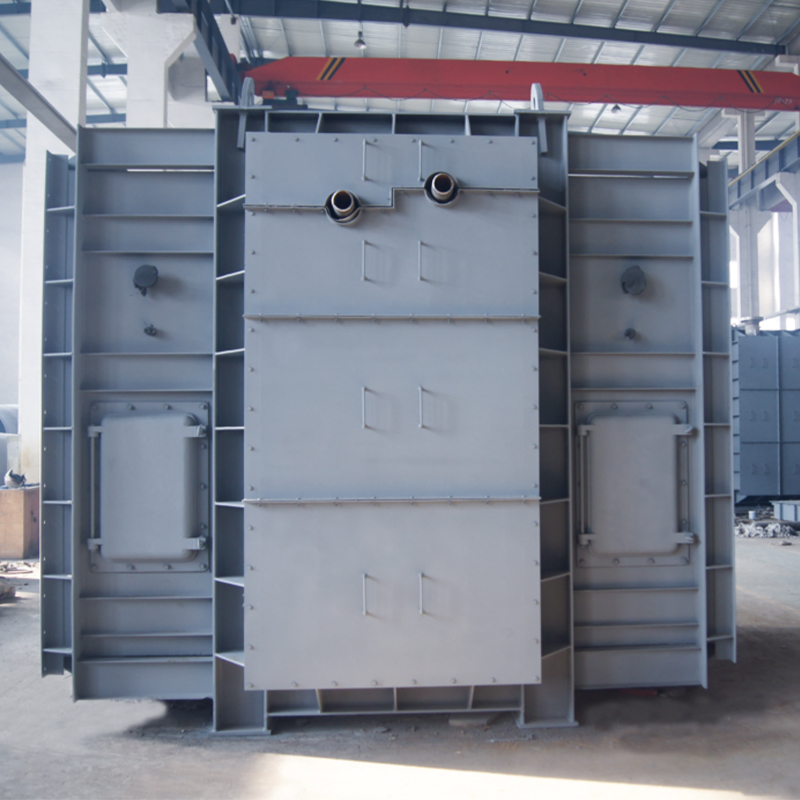
The Convection Section Module & Radiant Section Module is designed to optimize heat transfer and energy efficiency in industrial furnaces. Combining advanced convection and radiation technologies,...
See Details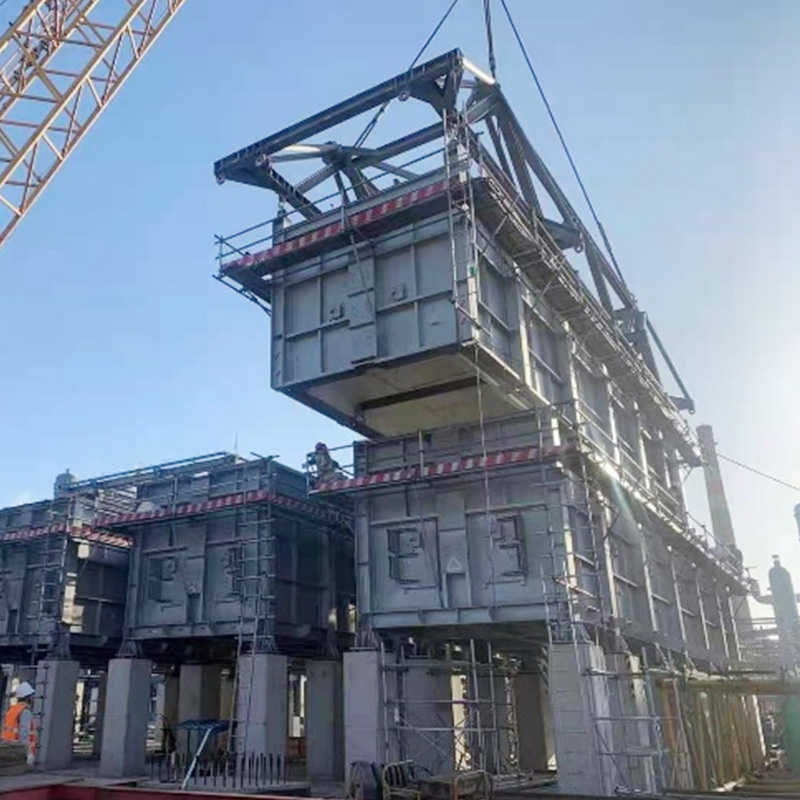
Using COMMOS and intelligent PID for two-dimensional collaborative design, achieving a digital delivery level.
See Details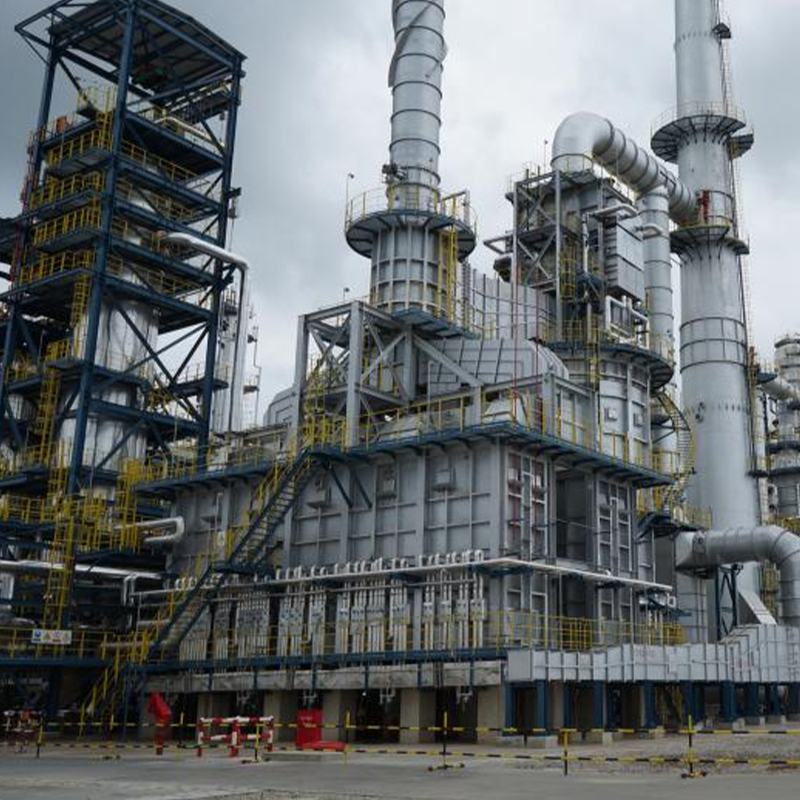
Our Diesel Hydrotreating Fired Heater is specifically engineered for high-efficiency heating in diesel hydrofining processes. It ensures precise temperature control and uniform heat distribution, enab...
See Details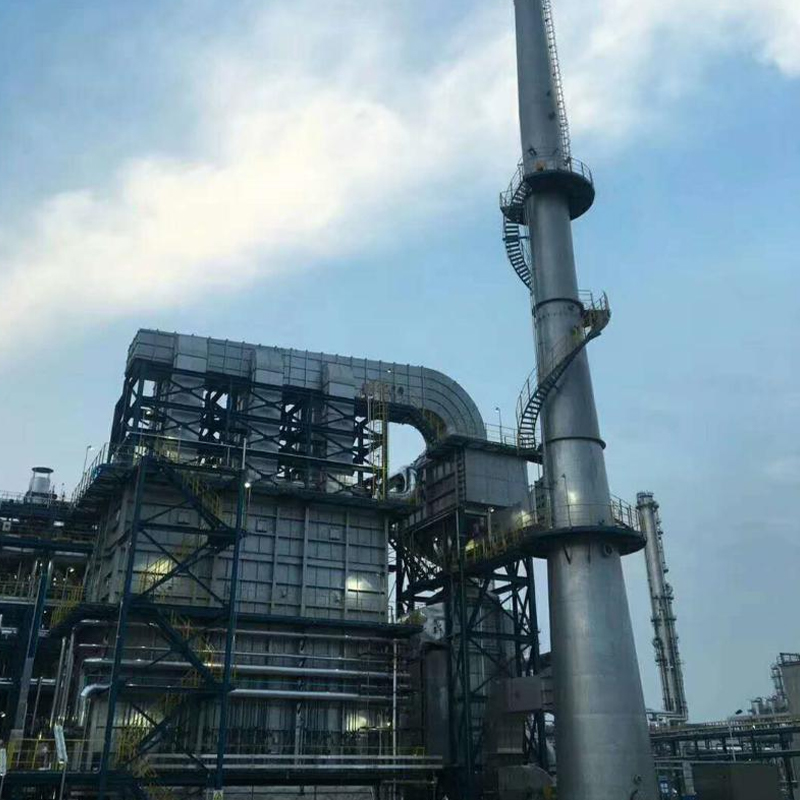
Used in various olefin conversion processes, the Olefin Conversion Fired Heater provides reliable and uniform heat input required for stable chemical reactions and process control. The furnace is desi...
See Details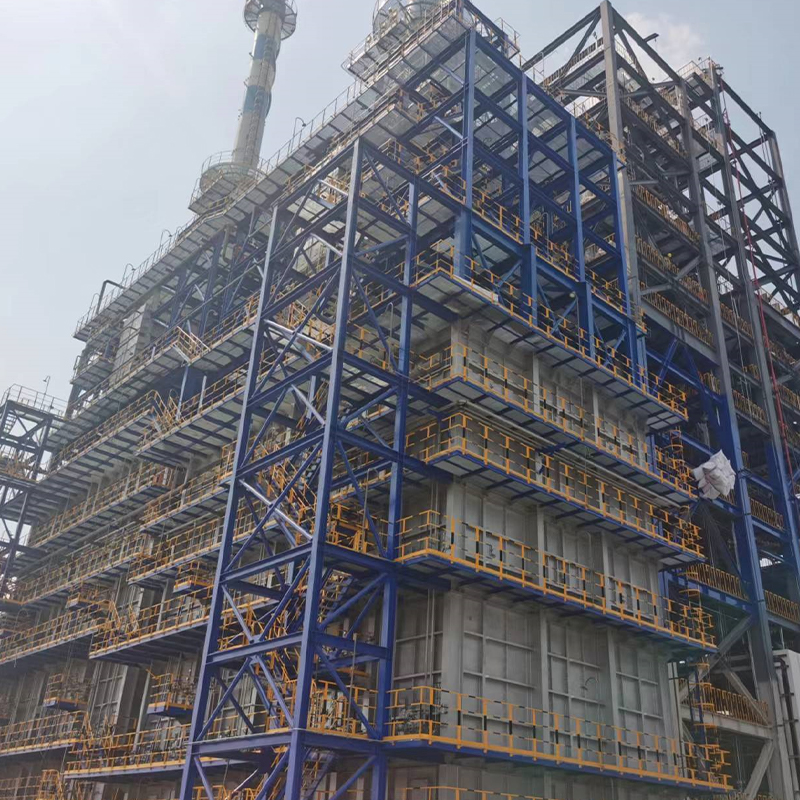
The Propane Dehydrogenation Furnace (PDH Furnace) is specifically engineered to provide stable, high-temperature heat for propane dehydrogenation processes in petrochemical plants. The furnace ensures...
See DetailsPhone
+86 189 5262 7611
+86-(0)523 8498 2299
Address
No.20, Fuyang Road, Jingjiang City, Jiangsu Province, China
Media