
 English
 русский
 فارسی
Furnace Accessories Series provides essential components that ensure the safe, efficient, and reliable operation of industrial furnaces. From burners and thermocouples to refractory supports and flue ...
See Details Home / News / Industry News / Centrifugal Casting Furnace Tube: Process, Grades, Inspection, and Sourcing

2026-11-13
Content
A reformer or cracking heater rarely fails without warning. The first sign is often a small diameter swell, a discolored hot spot, or a wall thickness reading that has drifted past its alert limit. Centrifugal casting is the standard way to make these tubes because it produces a dense, seamless cylinder from heat-resistant alloy. But the casting method alone does not guarantee performance. The finished tube is only as good as the rotation speed, pouring practice, solidification control, alloy chemistry, and inspection behind it.
In true centrifugal casting, molten heat-resistant alloy is poured into a steel mold spinning around a horizontal axis. Centrifugal force holds the metal against the mold wall while it solidifies from the outside inward. No central core is needed, so the bore forms naturally. Horizontal machines are usual for long furnace tubes; vertical machines are used for shorter rings and special shapes.
The result is a seamless tube with a dense outer zone, fewer gas pores than static casting, and a wall that can be machined to final dimensions. For fired heater service, that matters because tubes operate under creep, thermal cycling, oxidation, and carburization. A sound outside diameter supports pressure containment; a clean bore supports flow, catalyst loading, or decoking.
The limitation is equally important: centrifugal casting can produce a rougher inner surface, eccentric walls, hot tears, and columnar grain structures. Those risks are controlled by specification and inspection, not by the process name alone.
A furnace tube buyer cannot judge casting quality from a certificate alone. The purchase order should link foundry variables to measurable acceptance requirements.
| Control point | Why it matters | Common failure if missed |
|---|---|---|
| Mold speed and alignment | Keeps metal against the mold wall and supports concentric wall thickness | Ovality, eccentric bore, laps, vibration marks |
| Pour temperature and rate | Balances fillability with shrinkage feeding and grain control | Cold shuts, shrinkage porosity, overheated coarse grain |
| Mold coating and preheat | Controls heat extraction and surface condition | Rough bore, coating spall, localized sticking |
| Cooling and straightening | Limits thermal stress and brings the tube within dimensional limits | Hot tears, residual stress, bow, poor weld prep |
For reformer tubes, bore diameter and wall thickness control matter because catalyst loading and heat transfer depend on them. For cracking coils, ovality and bend quality affect fit-up and service life.
Grade names are shortcuts, not a full specification. Common centrifugal cast furnace tube families include:
The exact carbon range, niobium/titanium balance, inclusion limits, and hardness requirements should be written into the order. A generic “HP” label is not enough if the tube will see high flux, steam reforming, or cyclic operation.
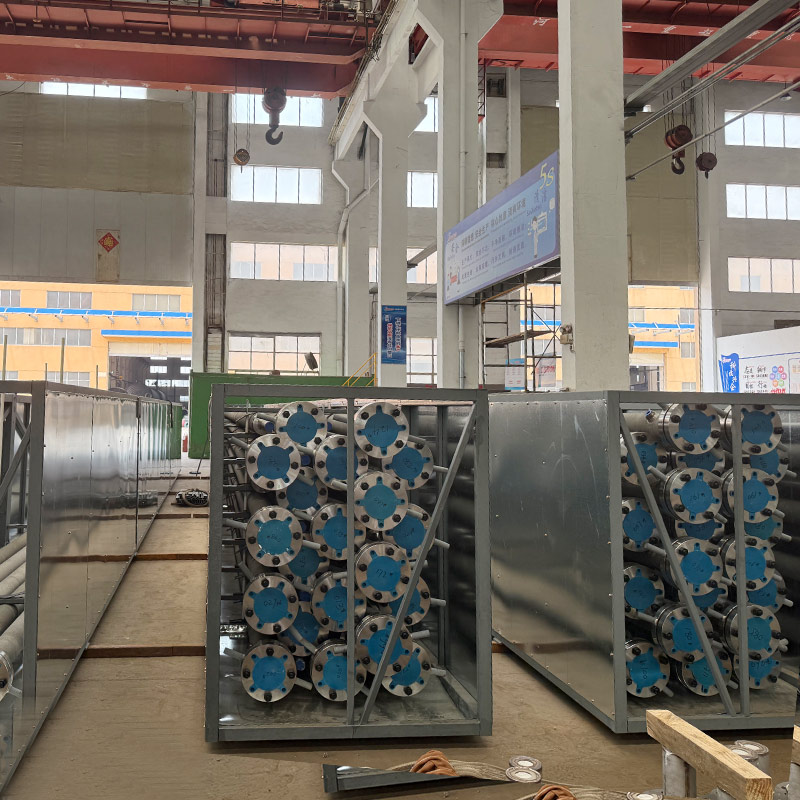 Custom Hydrogen Generation Reformer Tubes for High-Temperature FurnacesCustom reformer tubes for high-temperature hydrogen and catalytic service, with alloy selection, flow design, and tolerances suited to demanding furnace duty.View Product →
Inspection should be risk-based, not limited to a final visual check. Typical concerns include:
A practical inspection plan includes dimensional checks, visual and borescope review, positive material identification, hardness testing, and ultrasonic or radiographic examination where the specification requires it. Metallographic checks and bend or flatten tests may be added for critical reformer and cracking tubes.
Start with the operating envelope, then translate it into a manufacturing specification. If the tube will be field bent, welded, or installed under restraint, review precautions for using radiation tubes early in the design stage.
For reformer and cracking service, the most useful specification is the one that ties alloy, dimensions, inspection, and repair rules together. That reduces the chance of accepting a tube that meets a grade name but not the duty.
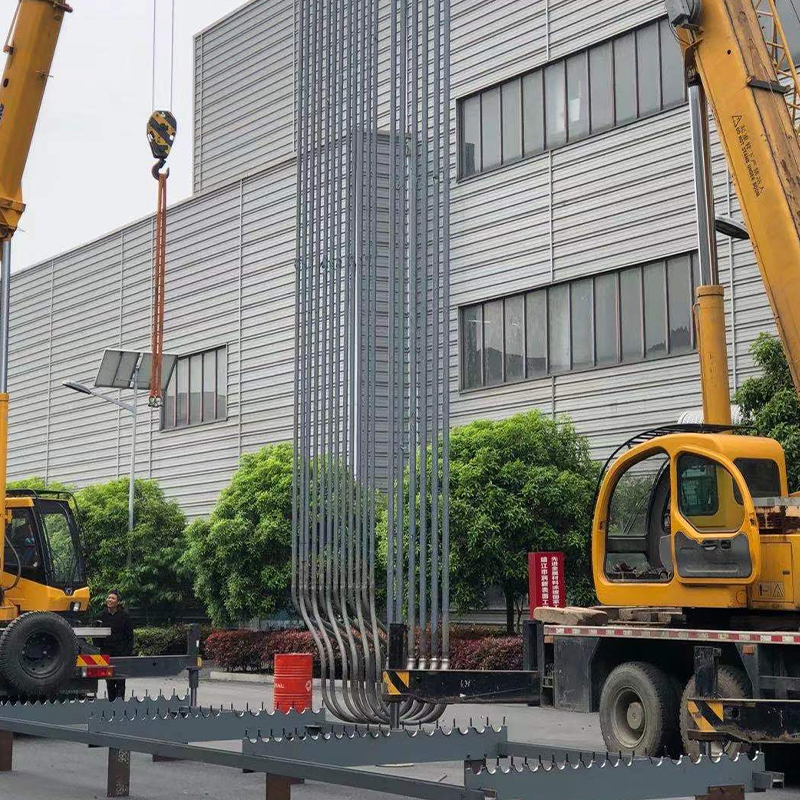 Custom Cracking Tubes for Ethylene and Propylene FurnacesCracking tube series for high-temperature hydrocarbon furnaces, combining heat-resistant alloys, coking resistance, and custom dimensions for petrochemical cracking duty.View Product →
Tuopu Industrial (Jiangsu) Co., Ltd. works on fired heater EPC and in-house manufacture of heat-resistant tubes and coils for petrochemical, coal chemical, and refining clients. Its profile lists first-tier supplier status with Sinopec, CNPC, and CNOOC, and qualified supplier status with Sinochem.
The manufacturing base includes a 40,000 m² heavy engineering area, a 20,000 m² heavy equipment center, 150 t lifting, laser cutting, automatic welding, and a roll-on wharf about 200 m away. That combination matters when tube supply, heater erection, and export logistics share one schedule.
If you are comparing centrifugal casting furnace tube options, discuss a tube specification with the engineering team and confirm the alloy, inspection plan, and delivery route before release.
For seamless cylindrical tubes, centrifugal casting usually gives a denser outer wall and fewer gas defects than static casting. The advantage depends on foundry control and inspection.
Eccentric bore and local wall thinning are common concerns. Both should be controlled by mold alignment, pouring practice, and dimensional inspection.
Yes, but welding requires a qualified procedure, suitable filler, preheat or post-weld control where specified, and attention to cast alloy chemistry.
Base the choice on design metal temperature, carburization severity, thermal cycling, design life, and the owner specification. The grade name alone is not a sufficient basis.
The reliable purchase specification is not the alloy name by itself. It is the alloy plus casting route, dimensional tolerances, inspection method, repair rules, documentation, and delivery protection. When those points are clear, a centrifugal casting furnace tube has a much better chance of meeting its design life in reformer, cracking, or fired heater service.
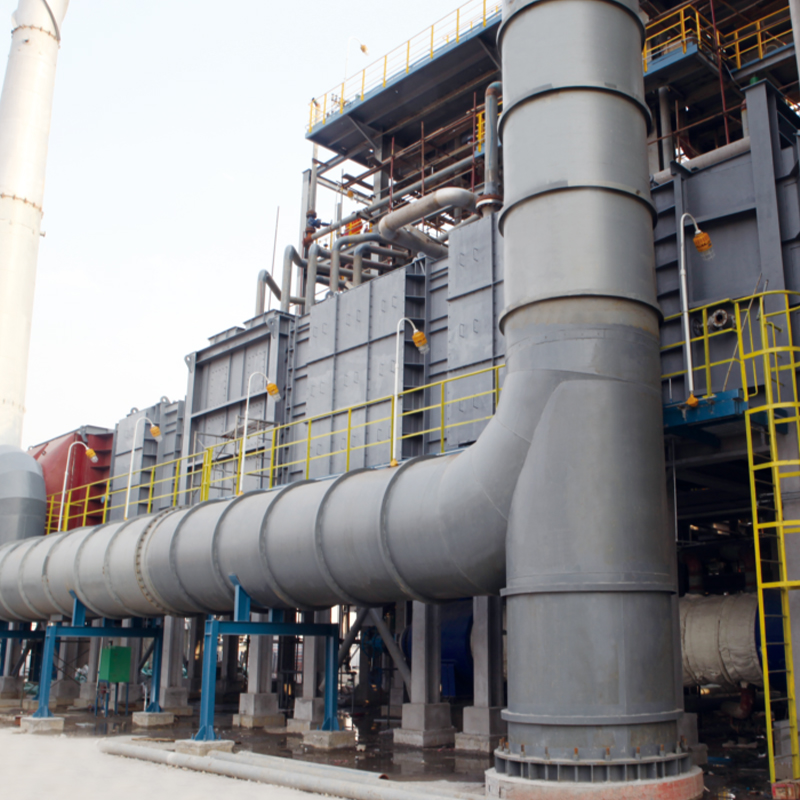
Furnace Accessories Series provides essential components that ensure the safe, efficient, and reliable operation of industrial furnaces. From burners and thermocouples to refractory supports and flue ...
See Details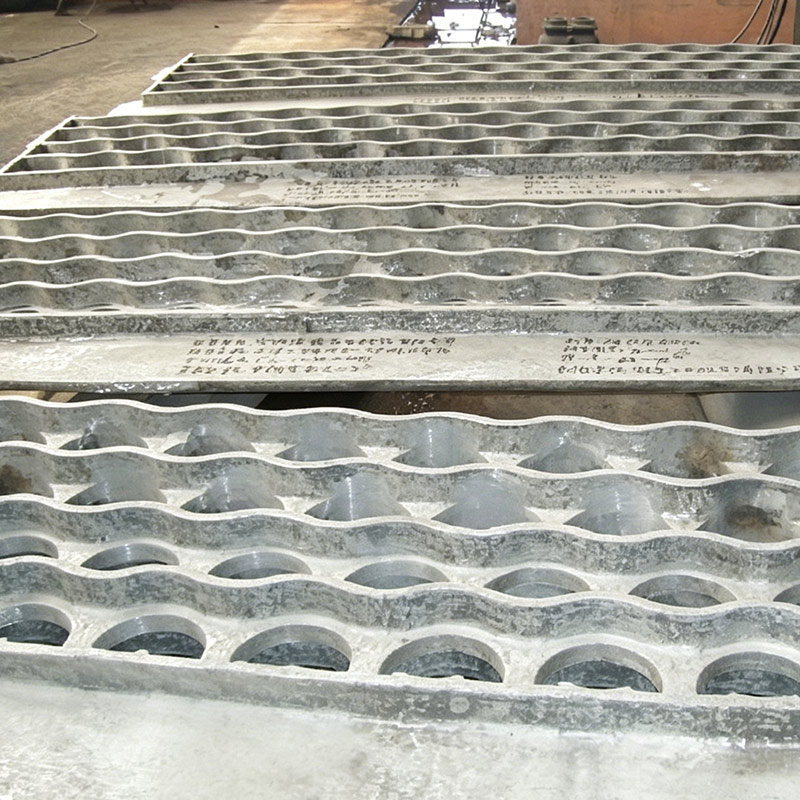
Cast tube sheets have good heat resistance and structural integrity, and are commonly used in industries such as petrochemicals, fertilizers, and power plant. It is recommended to use heat-resistant s...
See Details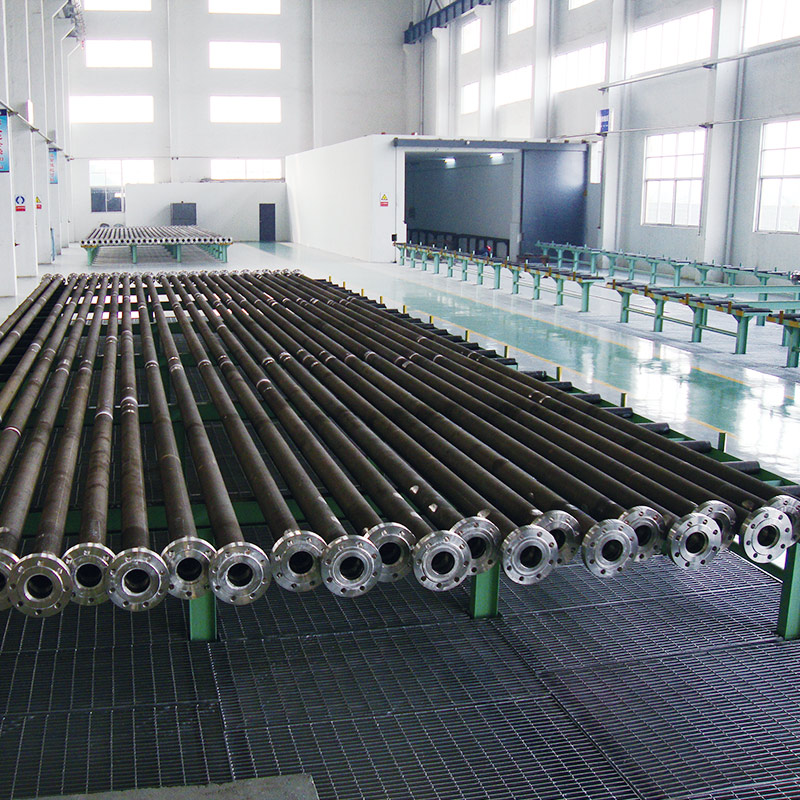
Tuopu’s Reformer Tube is designed for high-temperature chemical reactions in industrial furnaces, ensuring efficient heat transfer, structural integrity, and long-term operational stability. These tub...
See Details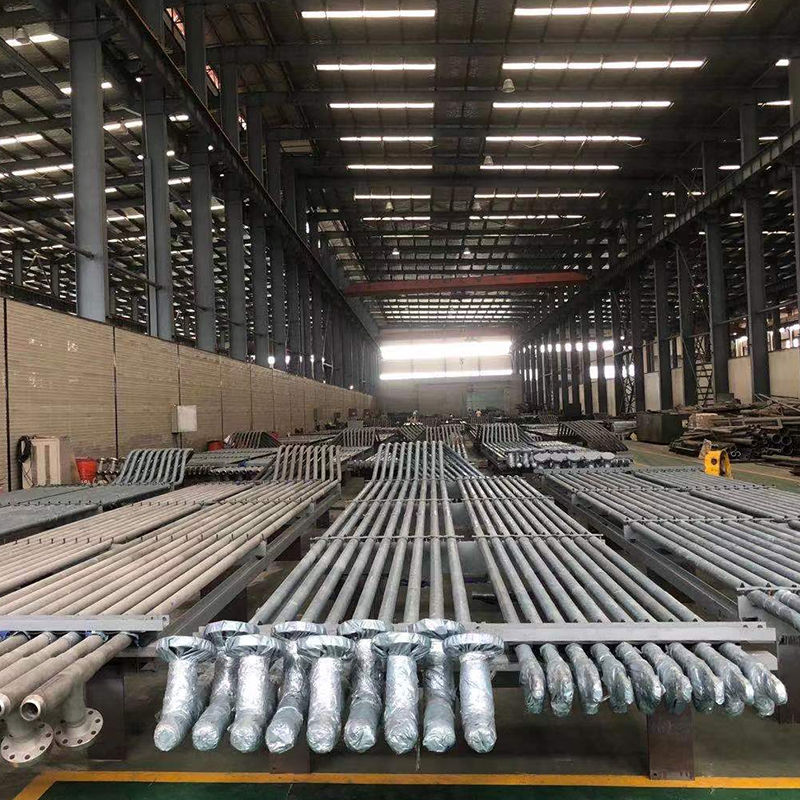
Cracking Tube Series is engineered for high-temperature cracking furnaces in the petrochemical industry, providing exceptional thermal stability, corrosion resistance, and long-term operational reliab...
See Details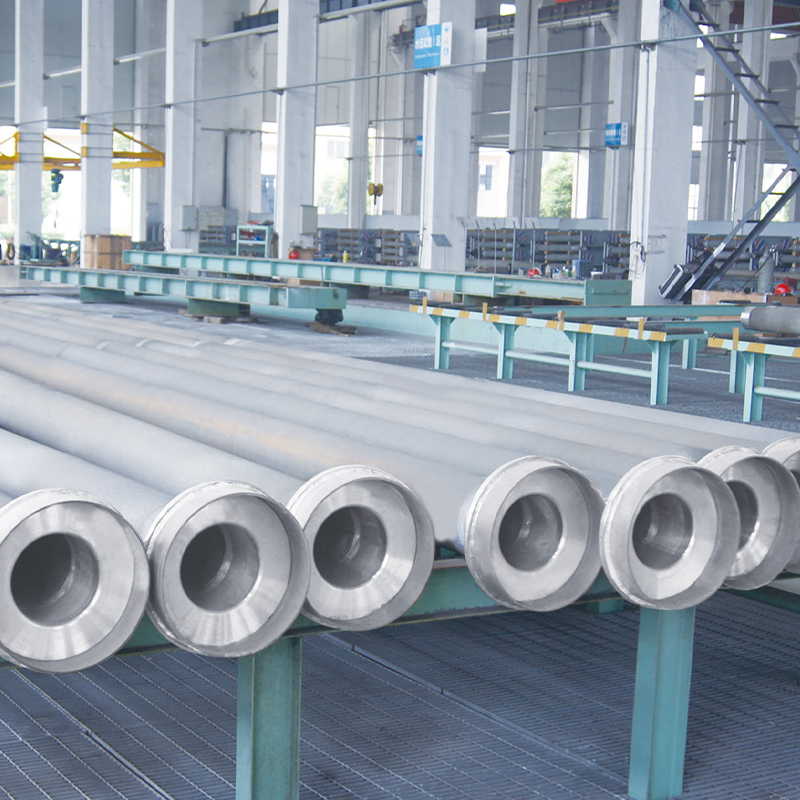
Tuopu’s DRI Furnace Tube Series is specially designed for Direct Reduced Iron (DRI) furnaces, offering superior heat resistance, mechanical strength, and long-term operational stability. Manufactured ...
See Details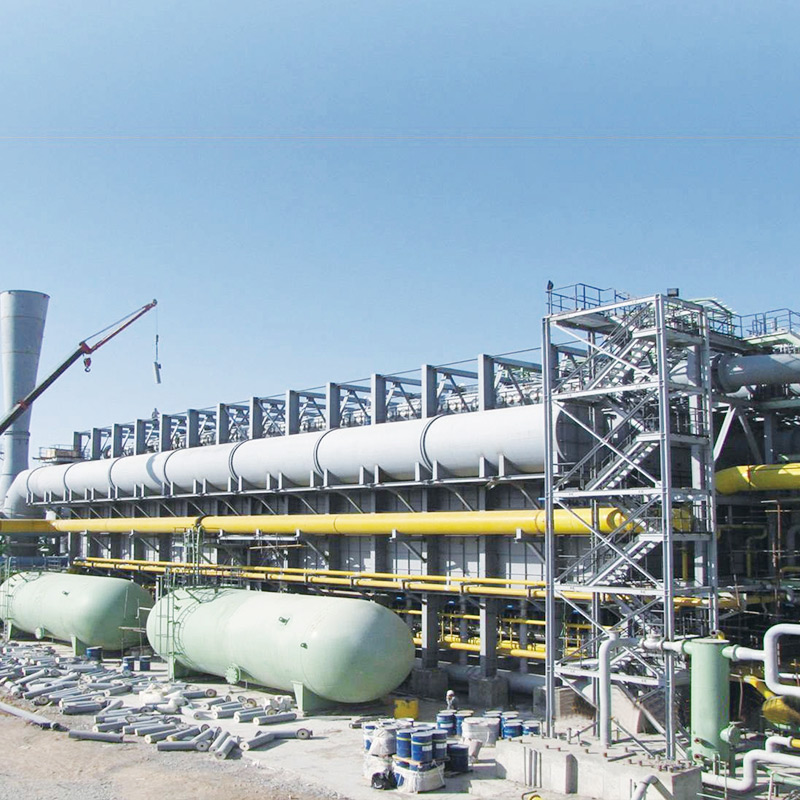
Tuopu’s DRI Furnace is a tailor-made solution designed specifically for steelmaking plants, providing reliable and efficient direct reduced iron (DRI) production. Engineered for high operational stabi...
See DetailsPhone
+86 189 5262 7611
+86-(0)523 8498 2299
Address
No.20, Fuyang Road, Jingjiang City, Jiangsu Province, China
Media